
Best Window Security Locks for Safer Homes
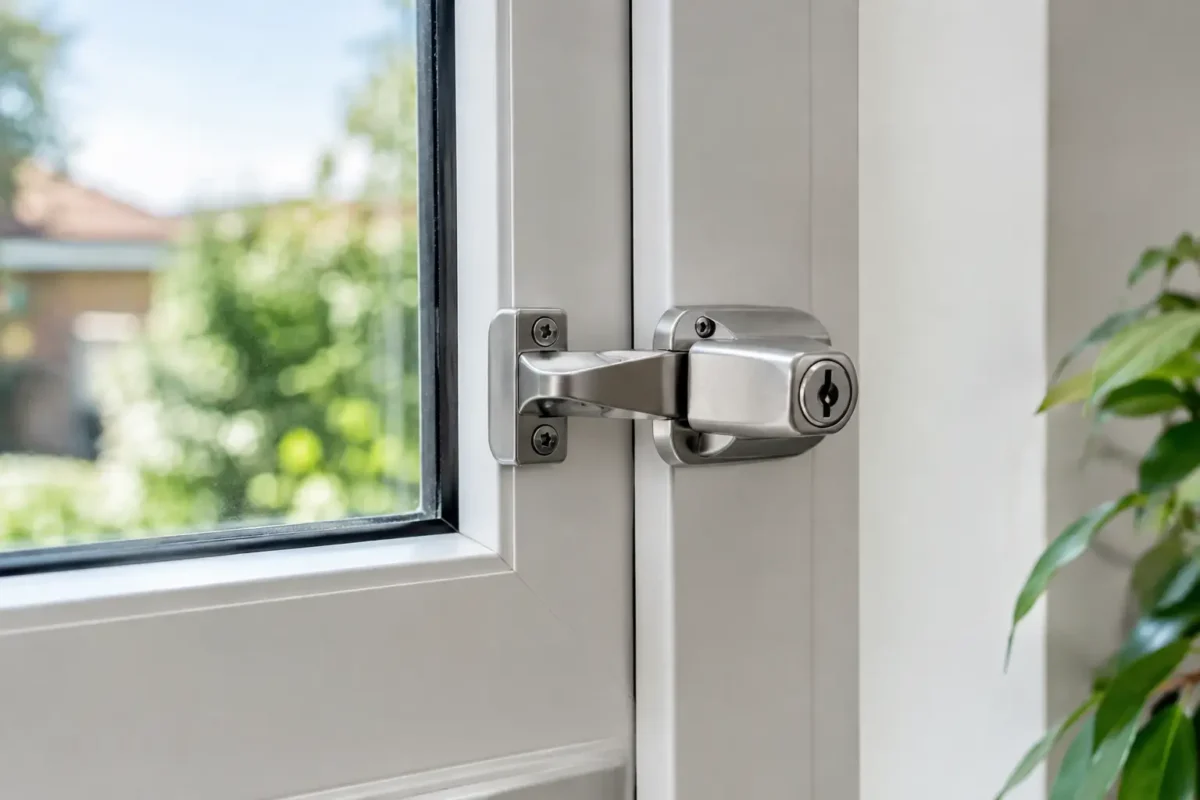
A window that looks closed is not always secured. Many standard window latches are designed to keep the sash aligned, not to resist someone forcing or lifting it from outside. Choosing the best window security locks means matching the lock to the window style, the room, and how the window needs to function every day.
For homeowners, renters, and property managers, the goal is simple: make windows harder to force open without creating a problem during an emergency. A good lock should fit securely, be easy for authorized people to use, and leave a safe exit route where one is required.
Start With the Window You Have
There is no single best lock for every window. A lock that works well on a double-hung bedroom window may be completely wrong for a sliding basement window or a crank-operated casement window. Before buying hardware, identify how the window opens and inspect its condition.
Check whether the frame is wood, vinyl, aluminum, or fiberglass. Look for loose screws, worn latches, cracked frames, damaged tracks, or gaps that allow the window to rattle. A strong aftermarket lock cannot fully compensate for a weak frame or a window that does not close properly. In some cases, a repair, adjustment, or replacement latch is the first security upgrade needed.
Also consider the window’s location. First-floor windows, basement windows, garage windows, and windows hidden by fences, shrubs, or side yards deserve extra attention. Upper-level windows may present less outside access, but they still need reliable security, especially in rental properties or rooms accessible from a roof, balcony, or fire escape.
Best Window Security Locks by Window Type
Keyed sash locks for double-hung windows
Double-hung windows slide up and down. Their factory latch usually connects the upper and lower sashes in the center, but it may not offer much resistance against prying. A keyed sash lock adds a second point of control and can prevent the window from being opened without the key.
This option is useful for ground-floor living rooms, home offices, and other windows that do not need to serve as an emergency exit. The trade-off is obvious: keys must be available to authorized adults, and a keyed lock should never block a required bedroom egress window unless local code requirements and emergency escape needs have been addressed.
Pin locks for double-hung windows
A pin lock uses a metal pin installed through the frame or sash to hold the window in place. It is a straightforward, strong option for wood or vinyl double-hung windows. Some homeowners install the pin so the window can open a few inches for ventilation while remaining restricted.
Pin locks are practical because they do not depend on a key, and they can provide more holding strength than a standard sash latch. Installation needs to be precise, though. Drilling in the wrong location can damage the frame, affect weather sealing, or interfere with window movement.
Sliding window locks and track stops
Horizontal sliding windows need a different approach. A track stop, security bar, or clamp-style lock can limit how far the sash slides. These options are especially useful on windows near patios, walkways, or ground-level side yards.
A properly fitted bar can prevent the window from sliding open even if the original latch is defeated. For ventilation, an adjustable stop may allow a small opening while keeping the sash from moving farther. Avoid loose dowels or improvised sticks that can shift out of place. A purpose-built security device should fit tightly and remain stable when pressure is applied.
Casement window locks
Casement windows swing outward with a crank. The built-in handle lock may be adequate when the window and hardware are in good shape, but worn crank mechanisms, loose hinges, and damaged screens can create weak points.
For added security, look for locks made specifically for casement windows or restrictor devices that limit the opening. The lock must engage cleanly without bending the sash or putting excess pressure on the crank. If the handle turns but the window does not pull tight against the frame, the hardware likely needs service before adding another lock.
Window stops for ventilation control
Window stops are not always the strongest stand-alone security measure, but they are a smart addition in homes with children, pets, or windows that are often left cracked open. They limit the opening to a small distance, reducing the chance of someone entering through the window or a child falling from it.
A stop works best when paired with a functioning primary latch. Think of it as controlled access rather than a complete replacement for a true security lock.
What Makes a Window Lock Worth Installing?
The best choice is not necessarily the lock with the most complicated design. It is the one that fits the application and stays reliable over time. Look for solid metal components, secure mounting screws, and a design that cannot be easily released from the outside.
For accessible windows, mounting matters as much as the lock itself. Screws should anchor into a solid part of the frame, not thin trim or a deteriorated section of wood. On vinyl windows, use hardware approved for the frame style whenever possible. Over-tightening can crack vinyl, while under-tightening leaves the lock vulnerable to being pulled loose.
Ease of use matters, too. If a lock is frustrating to operate, people may stop using it. Households with children, older adults, frequent guests, or tenants should choose a solution that is simple for authorized users but difficult to manipulate from outdoors.
Do Not Forget Emergency Escape
Window security should not trap anyone inside. Bedrooms commonly need a usable emergency escape route, particularly if they are used for sleeping. A permanently secured window can create a serious safety issue during a fire or other emergency.
For rooms that need egress, choose locks or restrictors that can be released quickly from inside without a key, special tool, or complicated steps. Test the release after installation. Every adult in the household should know how it works, and older children should be taught what to do in an emergency.
This is one area where the right answer depends on the room. A basement storage window may benefit from a more restrictive lock. A child’s bedroom window needs a balance between security, fall prevention, and fast exit. When there is any doubt about code requirements or the condition of the window, professional guidance is a sensible step.
Common Mistakes That Weaken Window Security
Many window upgrades fail because the lock is treated as the only part of the system. Security is reduced when the frame is rotted, the glass is cracked, the track is dirty, or the latch does not line up with its keeper. Fix those issues first.
Another mistake is relying only on a screen. Standard window screens are meant to keep insects out, not intruders out. Even a heavy-duty screen should be viewed as a layer of deterrence, not the primary lock.
It is also common to secure every window the same way. That can create inconvenience and safety concerns. Use stronger measures where access risk is highest, and use easy-release options where exit is needed. A property manager may also need a consistent key and hardware plan so maintenance staff and authorized occupants are not left dealing with mismatched locks.
When to Call a Locksmith for Window Lock Help
A locksmith can help when a window lock is broken, keys are missing, an existing lock needs replacement, or a property needs a more complete security review. This is especially helpful after moving into a home, after tenant turnover, or after a break-in attempt has exposed a weak point.
BS Locksmith can assess the existing hardware, recommend practical options for the window type, and install security devices without leaving you to guess at fit, placement, or emergency access. For Denver-area homes and rental properties, a professional installation can also help avoid damage to window frames and make sure the lock operates as intended.
A secure window should still be a usable window. Choose hardware that closes the gap between everyday convenience and real protection, then test it regularly instead of assuming a locked latch will always do the job.