
Can Landlord Change Locks on a Tenant’s Door?
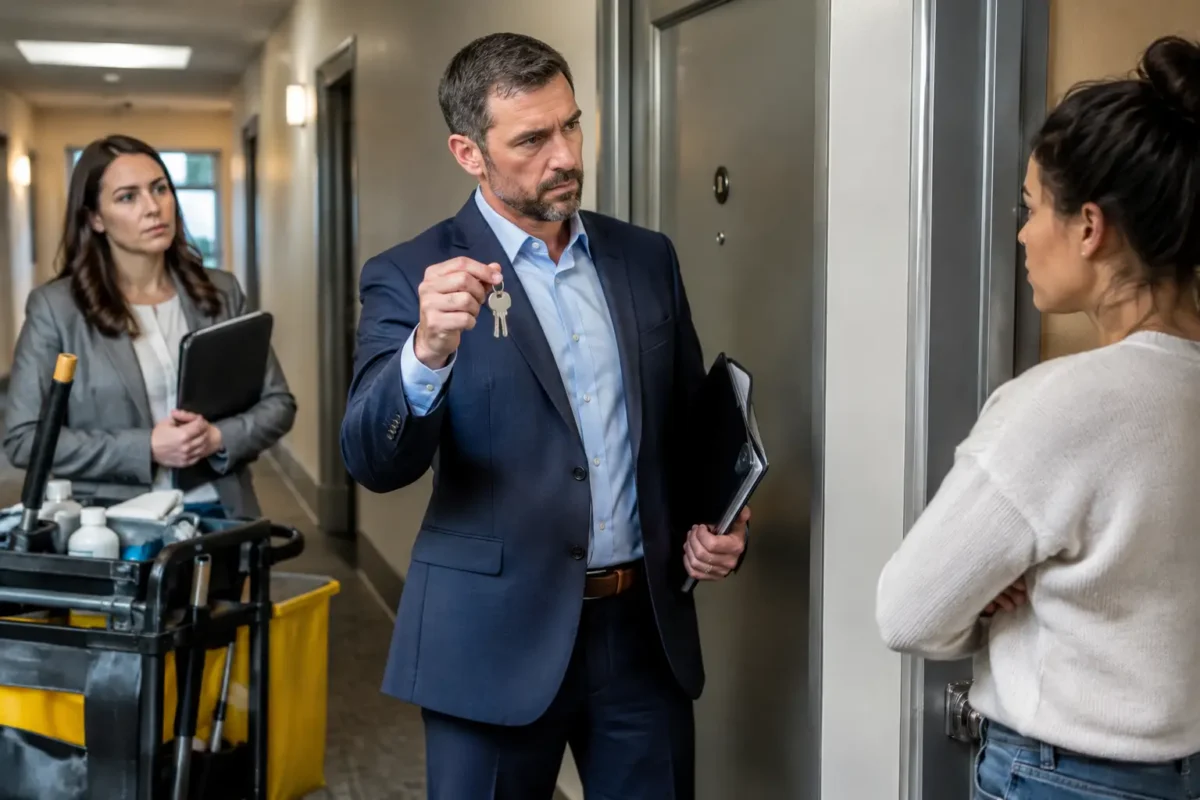
A key that suddenly stops working is more than an inconvenience. If you are standing outside your rental with your belongings inside, the immediate question is: can landlord change locks without telling you? In most active Colorado tenancies, a landlord generally cannot lock a tenant out as a shortcut to remove them, collect overdue rent, or settle a dispute.
Lock changes can be legitimate in the right circumstances. The difference comes down to whether the tenant still has a legal right to occupy the home, why the lock is being changed, and whether the proper legal process has been followed. If there is any uncertainty, treat the situation seriously and document what happened.
Can a Landlord Change Locks During an Active Tenancy?
Usually, a landlord cannot change locks in a way that denies a current tenant access to their home. This is commonly called a self-help eviction. It can include changing the locks, removing a tenant’s possessions, shutting off essential services, or otherwise making the home inaccessible to force the tenant to leave.
A missed rent payment, lease violation, argument, or notice to vacate does not automatically end a tenant’s right to enter the property. In Colorado, removal of a tenant generally requires the eviction process through the court system. If a landlord obtains lawful possession after that process, lock changes may be appropriate. Until then, denying entry can create a serious legal problem.
There are practical exceptions that can make the situation less clear. A landlord may need to secure a unit after a fire, break-in, or major damage that makes the property unsafe. They may also change a lock at a tenant’s request, after a confirmed move-out, or after a tenant has clearly abandoned the unit. Even then, communication and documentation matter.
When a Lock Change May Be Appropriate
A lock change is not automatically wrong simply because the property is rented. It is often a sensible security step when it is done for the right reason and with proper authority.
For example, a new tenant should receive secure access when they take possession of a unit. A landlord may rekey or replace locks between tenants so a former tenant, guest, contractor, or lost-key holder cannot enter. After a lawful eviction has been completed and possession has been returned to the landlord, securing the property is also standard practice.
A tenant may report a broken lock, a lost key, or concern that someone has an unauthorized copy. In that case, a landlord may arrange a rekey or replacement to restore security. The tenant should know how they will regain access and whether the building uses keys, fobs, codes, or a smart lock.
Emergency conditions require judgment. If a door cannot lock after a forced entry, a fast repair protects both the unit and everyone inside. But a security repair should not become a reason to leave a lawful occupant locked out. A qualified locksmith can repair or rekey the hardware while preserving access for the authorized tenant.
Eviction Notices Do Not Equal Immediate Lockout
This point causes a lot of confusion. A landlord can give a tenant a notice, file an eviction case, or request that the tenant move out. None of those steps, on their own, necessarily gives the landlord permission to change the locks and keep the tenant out.
Only the legal process can determine when possession changes hands. The exact procedure and timing depend on the facts of the case, so tenants and property owners should seek legal guidance when there is a dispute. A locksmith is there to secure doors and restore access for authorized parties, not to decide who has legal possession.
For property managers, the safest approach is to keep records of the lease, notices, court documents, move-out confirmation, and authorization for any lock work. For tenants, keep copies of your lease, payment records, messages, and photos of any changed locks or posted notices. Clear records can prevent a stressful access problem from turning into a larger dispute.
What Renters Should Do If They Are Locked Out
If your landlord changed the locks and you believe you still live in the unit, stay calm and avoid forcing the door open. Damaging the lock, window, or door can create additional problems, even when you believe the lockout is unfair.
Start by checking whether there is a written explanation on the door or in your messages. You may be dealing with a maintenance emergency, an accidental rekey, a security repair, or a misunderstanding about your move-out date. Contact the landlord or property manager in writing and ask for immediate clarification and a way to regain access.
Document the situation. Take photos of the lock, any notice, and your belongings if visible. Save texts, emails, voicemails, and call records. If medication, pets, identification, work equipment, or other essential belongings are inside, state that clearly when requesting access.
If the landlord will not respond or refuses to provide access, contact local legal aid, a tenant-rights organization, or an attorney for advice based on your situation. If you believe you are facing an unlawful lockout or there is an immediate safety issue, contact the appropriate local authorities. Rules can vary, and getting advice promptly is better than relying on assumptions.
What Landlords and Property Managers Should Do Instead
A lock change should solve a security issue, not create a legal one. If a tenant is still in possession, communicate before scheduling non-emergency work. Confirm the reason for the change, provide appropriate notice when required, and make sure the tenant can access the home after the work is complete.
When a tenancy has ended, verify that possession has actually been returned before rekeying. A returned key helps, but it is not always the whole story. Check the lease end date, written surrender of the unit, condition of the property, and any pending legal matter. When in doubt, get property-management or legal guidance first.
For multi-unit buildings, access control needs extra care. Changing a unit lock may be simple, while changing a common-entry key, mailbox lock, gate code, or electronic credential can affect other residents. Keep access records current, remove former occupants from codes or fobs when appropriate, and avoid sharing master keys or generic entry codes unnecessarily.
Rekeying vs. Replacing Locks at a Rental Property
People often say “change the locks” when they actually mean rekeying. Rekeying changes the internal pins of an existing lock so old keys no longer work. It is often a practical choice when the hardware is in good condition and the goal is to control who has a working key.
Replacing a lock means installing new hardware. That may be necessary when the lock is damaged, worn out, incompatible with a new door, or being upgraded for better security. A deadbolt, reinforced strike plate, keypad lock, or smart lock can improve access management, but any hardware choice should still fit the lease, local requirements, and the property’s fire-safety needs.
For tenants, do not replace or rekey a lock without checking the lease and communicating with the landlord. Some leases allow it with notice or require the landlord to receive a key. For landlords, avoid entering a tenant’s unit with unnecessary copies of keys. Good access control protects privacy as well as property.
When to Call a Locksmith
A locksmith can help when a lock is damaged, keys are missing, a tenant needs replacement keys with proper authorization, or a property needs to be secured after a break-in or lawful turnover. The locksmith should verify authorization before opening or changing a lock, especially when a rental dispute is involved.
For urgent residential lock problems in Aurora, Denver, Federal Heights, and nearby communities, BS Locksmith can provide mobile help with rekeying, lock replacement, key duplication, and security upgrades. Have identification, lease or management authorization, and any relevant documents ready. That helps the job move quickly and protects everyone involved.
A rental lock should never become a weapon in a disagreement. Whether you are a renter trying to get back to your home or a property manager securing a vacant unit, pause long enough to confirm legal possession, communicate clearly, and choose the lock solution that keeps the property safe without taking away someone else’s rights.