
Door Lock Repair: When to Fix or Replace
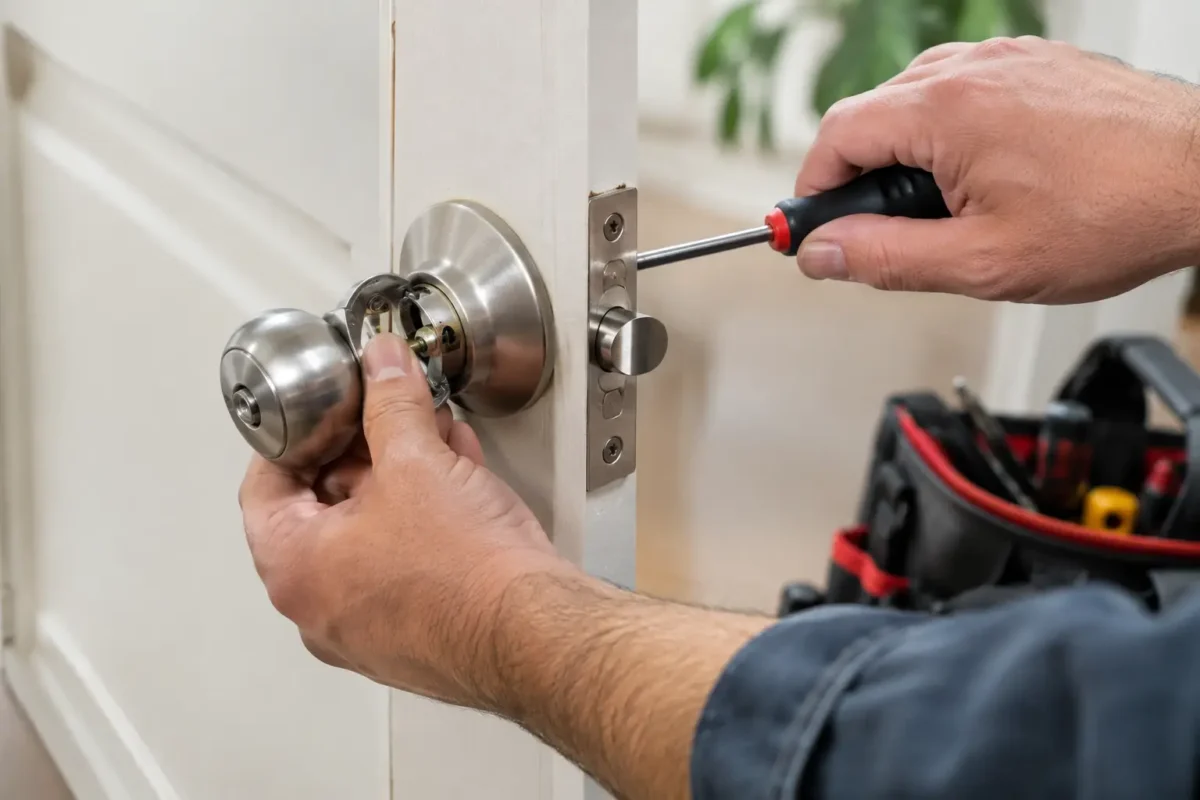
A front door that suddenly needs two or three tries to lock is more than an annoyance. It can leave your home, office, or rental property less secure at the exact moment you need dependable protection. Door lock repair addresses problems such as sticking keys, loose hardware, broken latches, jammed deadbolts, and locks that no longer line up with the strike plate.
Some issues have a simple cause. Others point to worn internal parts or a door that has shifted over time. Knowing the difference can help you avoid forcing the lock, damaging the key, or finding yourself locked out after a long day.
Signs You May Need Door Lock Repair
Most locks give warning signs before they fail completely. A key that turns roughly, a deadbolt that will not extend smoothly, or a knob that feels loose should not be ignored. These problems often get worse with repeated use, changing temperatures, or continued pressure on parts that are already worn.
Pay attention if the key only works when you lift, pull, or push the door. That usually means the door and frame are out of alignment, not necessarily that the key is bad. Seasonal expansion, settling, worn hinges, and loose screws can all affect the way a latch or deadbolt meets the strike plate.
A lock may also need professional attention when the key comes out with difficulty, turns but does not operate the bolt, or breaks inside the cylinder. If the lock was forced during a break-in attempt, do not assume it is safe just because it still locks. Internal damage can be hidden, and the lock may fail when you least expect it.
For businesses, recurring trouble with a storefront door, office entry, or restricted access point deserves quick attention. A lock that does not latch consistently can create security gaps, staff access problems, and avoidable disruption during business hours.
What Causes a Door Lock to Fail?
Door locks work through a series of small moving components. Dirt, dry lubrication, worn pins, loose mounting screws, and damaged springs can interfere with normal operation. Exterior locks in Colorado also deal with dust, moisture, cold snaps, and temperature swings that can make a minor issue feel much worse.
Misalignment is one of the most common causes of a stubborn deadbolt. When the door shifts even slightly, the bolt may hit the edge of the strike plate instead of entering it cleanly. Forcing the thumbturn or key can bend components, wear down the key, or break the key inside the lock.
Wear is another factor. A heavily used front door, rental unit, office suite, or commercial entrance may have years of use behind it. Even a quality lock eventually reaches the point where repairing individual components is no longer the sensible choice.
Keys can contribute to the problem too. A duplicate made from an already worn key may work inconsistently. If several copies are in circulation, it can be difficult to tell whether the problem is the key, the cylinder, or both. A locksmith can inspect the hardware and identify the actual source instead of replacing parts at random.
Safe Checks Before Calling for Help
There are a few things you can check without taking apart the lock. First, try the key with the door open. If it turns smoothly with the door open but binds when the door is closed, alignment is likely the issue. Do not continue forcing it.
Next, look for visibly loose screws around the handle, deadbolt, hinges, and strike plate. Tightening accessible screws can sometimes improve operation, but avoid overtightening or removing the lock if you are unsure how the hardware is assembled. Small internal pieces are easy to lose, and an incomplete repair can leave the door unsecured.
If the keyway feels dry or dirty, use a lock-safe dry lubricant made for cylinders. Avoid household oils, grease, or sprays that can attract grit and create a sticky buildup over time. Never pour lubricant into an electronic keypad or smart lock housing.
If a key is bent, cracked, or beginning to split, stop using it. A broken key extraction is often more involved than making a new key before it fails. The same applies to a deadbolt that requires significant force. A lock should engage firmly, but it should not require a struggle.
When Repair Makes Sense
Repair is often the right choice when the lock is in otherwise good condition and the problem is limited to alignment, lubrication, loose hardware, a worn cylinder, or a damaged strike plate. Replacing a cylinder can be practical when you want to keep existing handles or hardware but restore reliable key operation.
A repair can also make sense after a minor problem with a key or latch, especially when the door hardware matches other doors in the building. Property managers may prefer this approach when they need to maintain consistent hardware across several units while addressing a specific failure.
For newer smart locks, the issue may be mechanical, battery-related, or connected to installation. A keypad that will not operate does not always need to be replaced. However, electronic locks should be evaluated carefully if the exterior housing is damaged, the bolt sticks, or the manual key override does not work.
When It Is Better to Replace the Lock
Replacement is usually the safer option when the lock is severely worn, damaged by force, corroded, missing parts, or no longer provides the security level the property needs. It may also be the better choice after moving into a home or taking over a commercial space, particularly if you do not know who has copies of the existing keys.
Rekeying and replacement solve different problems. Rekeying changes which key operates a compatible lock while keeping the existing hardware. Replacing the lock changes the hardware itself. If your lock works properly and you simply need control over key access, rekeying may be enough. If the lock is failing or outdated, replacement is generally more appropriate.
Homeowners may choose to upgrade from a basic lock to a deadbolt with stronger hardware or a smart lock with controlled access features. Business owners may need commercial-grade hardware, panic devices, restricted key systems, or access control based on the building and use of the door. The right choice depends on the door material, traffic level, existing hardware, and security needs.
Why Forcing a Bad Lock Makes Things Worse
It is tempting to turn the key harder when the door will not open or lock. That can quickly turn a repairable issue into a broken key, stripped cylinder, bent latch, or damaged door frame. A stuck lock is already telling you that something is not moving correctly.
Avoid drilling, prying, or using improvised tools on a residential or commercial lock. These methods can damage the door, compromise security, and make proper repair more difficult. If you are locked out, have a key broken in the lock, or cannot secure the door, professional mobile locksmith service is the practical next step.
Professional Door Lock Repair for Homes and Businesses
A locksmith can inspect the entire opening, not just the keyhole. That includes the lock body, cylinder, bolt or latch, strike plate, hinges, door alignment, key condition, and signs of forced damage. This broader inspection matters because a new lock will not work well if the door itself is sagging or the strike plate is incorrectly positioned.
For urgent issues in Aurora, Federal Heights, Denver, and nearby Colorado communities, BS Locksmith provides mobile service for residential and commercial lock problems. A trained locksmith can repair or replace damaged hardware, rekey compatible locks, extract broken keys, and help secure a door after a lock failure or attempted forced entry.
Commercial properties may need additional attention to code-compliant exit hardware, door closers, access control, and high-traffic entry doors. Residential customers may need a fast solution for a front door, garage entry, mailbox, patio door, or newly purchased home. In both cases, the goal is the same: a door that closes, locks, and opens reliably for authorized users.
Keep Your Locks Working Longer
Basic maintenance helps reduce sudden lock problems. Keep exterior door hardware clean, use lock-safe lubricant when needed, and address loose hinges or strike plates before alignment becomes severe. Use keys that are in good condition, and replace worn copies rather than continuing to use them until they break.
If your deadbolt begins catching or your key starts sticking, treat it as an early warning rather than a minor inconvenience. Taking care of door lock repair while the issue is small helps protect the property and keeps a routine day from becoming an avoidable lockout.