
How to Unlock Car Trunk Safely Without Damage
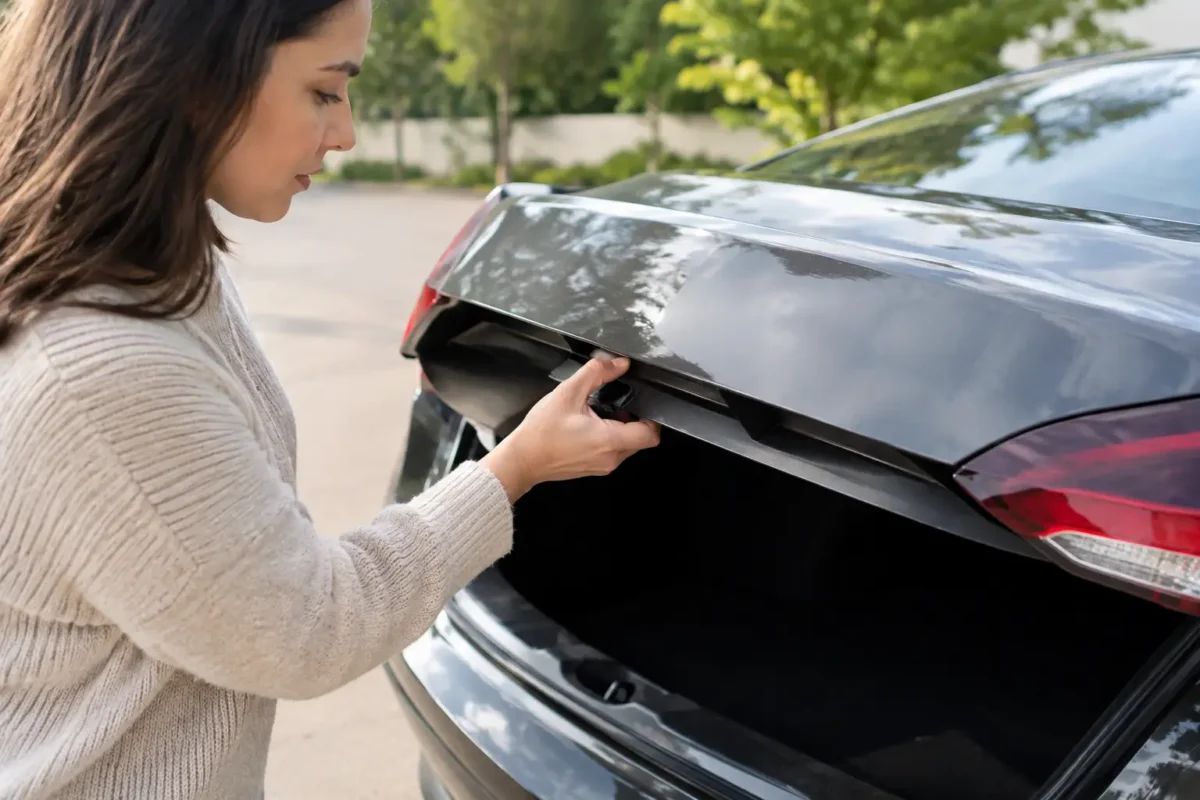
A trunk lockout can turn a normal errand into a real problem fast, especially when groceries, work equipment, medication, or spare keys are stuck inside. If you are searching for how to unlock car trunk access safely, the right answer depends on why the trunk will not open. A lost key, a dead key fob battery, a discharged vehicle battery, and a damaged latch require different solutions.
The goal is simple: regain access without damaging the lock, trunk lid, weather stripping, wiring, or rear seats. Taking a few careful steps first can save you from an expensive repair later.
Start With Safety and the Simple Checks
If a child, pet, or person is trapped in the trunk, call 911 immediately. Many modern vehicles have an emergency trunk release handle inside the trunk, often designed to glow in the dark, but emergency responders should be involved right away if someone cannot get out.
For a standard lockout, stop and check the basics before trying anything forceful. Make sure the vehicle is fully in Park, the doors are closed as required by your vehicle, and the trunk release button has not been disabled. Some vehicles include a valet switch or a trunk lockout setting in the glove box, center console, or driver information screen.
Try the exterior trunk button, the interior release button, and your key fob. If the fob does nothing, use the spare fob if one is available. A weak fob battery may still let you lock or unlock the doors from a very short distance, but it may not reliably activate the trunk release.
How to Unlock Car Trunk Access Based on the Problem
The safest method is the one designed for your make and model. Your owner’s manual can identify the location of the mechanical key, the trunk-release settings, and any battery backup procedures. If the manual is inside the car, many manufacturers also provide digital versions through their customer support apps or owner portals.
Use the Mechanical Key Hidden in the Fob
Many push-button-start vehicles have a metal emergency key stored inside the key fob. Look for a small release tab on the fob and slide it to remove the key. Depending on the vehicle, that key may open a hidden door lock or a trunk lock cylinder.
On some sedans, the trunk key cylinder is above the license plate, near the rear badge, or behind a small cover. Insert the key gently and turn it only as far as it naturally moves. If it binds, do not force it. A key that twists under pressure can break inside the lock, turning a simple access issue into a repair job.
Not every mechanical key opens the trunk directly. Some only allow entry through the driver’s door, where you can then use the interior trunk release.
Enter Through the Cabin When Rear Seats Fold Down
If the vehicle is unlocked but the trunk button is not working, inspect the rear seat area. Many sedans, hatchbacks, and SUVs have folding rear seats that provide access to the cargo area. The release handles may be at the top of the seatbacks, inside the trunk, or accessible from the passenger compartment.
This option depends on the vehicle. Some rear seats cannot be folded from inside the cabin without first opening the trunk, and some have a locking feature to prevent access from the passenger area. Do not pry at seat seams, trim panels, or latches. Interior clips and seat-release hardware can break easily.
Once you can reach the trunk from inside, look for the emergency release handle. Pulling that handle should release the trunk latch without stressing the exterior lock or lid.
Address a Dead Car Battery
A dead vehicle battery can prevent the electronic trunk release from operating. This is common when a car has been parked for an extended period, lights were left on, or extremely cold Colorado weather reduced battery power.
The solution varies by vehicle design. Some cars allow the mechanical key to open the trunk. Others may need the driver’s door opened first so the hood can be released and the battery can be charged or jump-started. Certain models have designated jump terminals under the hood specifically for this situation.
Avoid connecting power to random wires, fuse locations, or trunk-latch components. Modern electrical systems include modules and sensors that can be damaged by incorrect connections. If you are not certain where to connect a jump pack, it is safer to call for professional help.
Check for a Valet or Security Setting
A trunk that will not open after handing over the car for parking, service, or a repair may be in valet mode. In some vehicles, valet mode disables the trunk release from the cabin and key fob while allowing the doors to operate normally.
Check the vehicle settings menu, glove box, and center console for a valet switch or lockout control. The owner’s manual should explain how to restore normal trunk operation. If the setting is not the cause, do not keep pressing the release button repeatedly. That will not fix a failed actuator or jammed latch.
What Not to Do When the Trunk Will Not Open
A locked trunk is frustrating, but improvised methods often create more damage than the original problem. Avoid using screwdrivers, coat hangers, wedges, pry bars, or drilling tools around the trunk lid and lock. These can scratch paint, bend the lid, tear weather stripping, damage wiring, or trigger the alarm.
Do not force the key in a lock that feels frozen, corroded, or stuck. Do not slam the trunk lid in an attempt to reset the latch. If the latch is partially engaged, slamming can make the problem worse.
It is also a bad idea to crawl into a confined trunk space to reach an emergency release unless it is a true emergency and there is a safe way to do so. Rear seat mechanisms can shift unexpectedly, and cargo can make movement difficult. When access is blocked, a trained automotive locksmith has safer tools and procedures.
When the Issue Is a Broken Latch or Trunk Actuator
Sometimes the trunk is not locked out at all. The release may activate, but the lid stays shut because the latch, actuator, cable, or wiring has failed. Warning signs include a clicking sound with no opening, a trunk that only opens intermittently, or a release button that suddenly feels loose.
In these cases, repeated button presses rarely solve the issue. A locksmith can assess whether the problem is related to the key, lock cylinder, electronic release, or latch mechanism. For some vehicles, a mechanic may be needed after entry is gained to replace a faulty actuator or repair wiring.
A professional can also help if your keys were lost, stolen, locked in the trunk, or broken in the lock. Modern vehicle keys may require cutting, transponder programming, or key fob programming after access is restored. That work should be done with the correct equipment so the replacement key works with the vehicle’s security system.
Get Mobile Help Without Damaging Your Vehicle
If the simple options do not work, a mobile automotive locksmith is usually the practical next step. The technician can verify ownership, gain entry using methods appropriate for the vehicle, and determine whether the problem is a key issue or a mechanical failure. This is especially helpful when you are away from home, parked at work, or dealing with a lockout after hours.
BS Locksmith provides mobile automotive locksmith assistance for drivers in Aurora, Federal Heights, Denver, and surrounding areas. The focus is on getting you back into your vehicle carefully, without turning a trunk problem into avoidable body or lock damage.
Keep a Future Trunk Lockout From Becoming a Bigger Problem
Once the trunk is open, take a minute to prevent a repeat situation. Replace a weak key fob battery, test the mechanical key before you need it, and confirm that the interior trunk release works. Keep a spare key in a secure location outside the vehicle, not inside the trunk or glove box.
If the trunk release has been unreliable, have it inspected before it fails completely. A small issue with a fob, latch, or battery is much easier to handle when you are not stranded with important items locked out of reach.