
Multifamily Access Control Trends to Watch
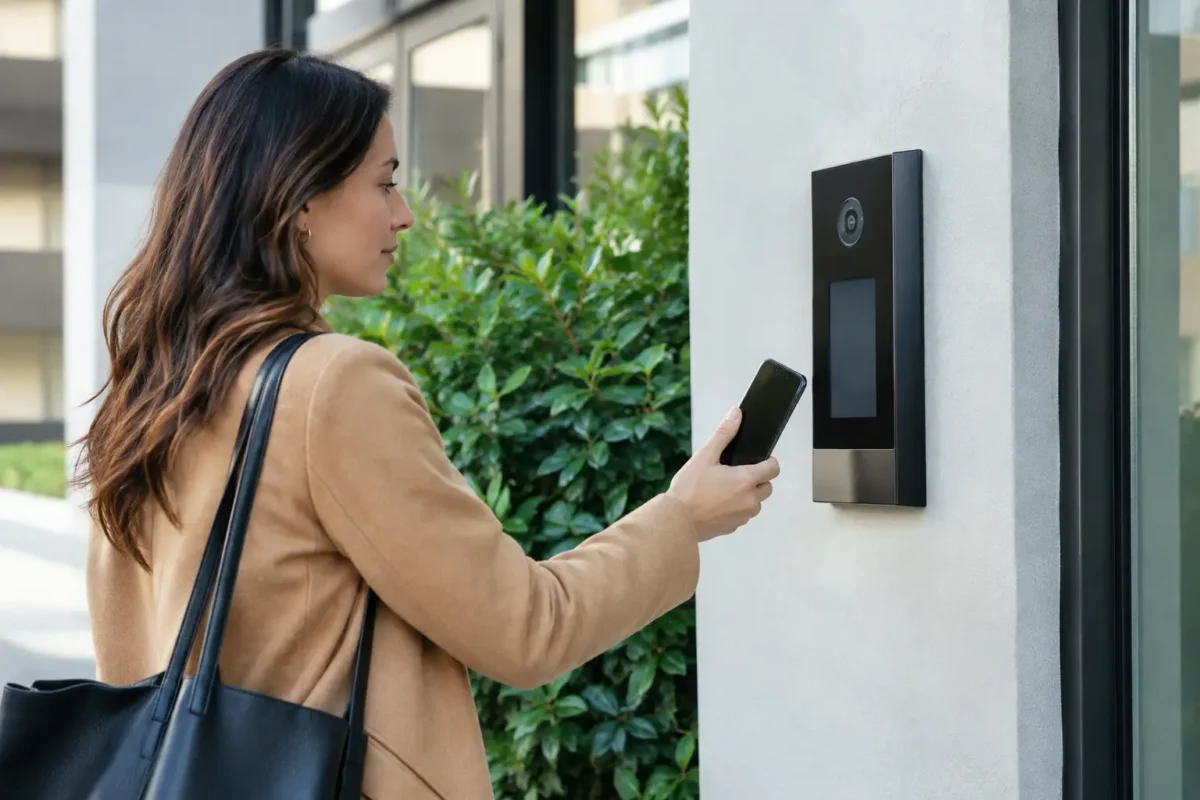
A lost apartment key is more than an inconvenience for a property manager. It can mean rekeying a unit, tracking down copies, handling resident concerns, and protecting common areas from unauthorized entry. That is why multifamily access control trends are moving away from key-only systems and toward tools that give managers more control without making life harder for residents.
The right setup depends on the building, resident turnover, staffing, existing doors, and budget. A small four-unit property has different needs than a large apartment community with parking gates, package rooms, gyms, elevators, and multiple entrances. Still, several practical trends are shaping how multifamily properties in the Denver Metro area approach security.
Multifamily Access Control Trends: Less Metal, More Control
Traditional keys remain common because they are simple and familiar. The problem starts when keys are lost, copied without permission, or not returned after a move-out. Rekeying is an effective response, but it takes time and does not always address access to shared spaces.
Electronic credentials are becoming more common in multifamily properties because they make access changes faster. Instead of issuing a new metal key for every resident, manager, vendor, or temporary worker, authorized staff can add or remove a credential through a managed system. That credential may be a key card, fob, PIN code, mobile app, or a combination of those options.
The benefit is not that every door has to become high-tech. The benefit is being able to control the doors that create the most risk or cause the most management work. For many properties, that starts with exterior entrances, laundry rooms, fitness areas, package rooms, storage areas, and maintenance spaces.
Mobile Credentials Are Growing, but Fobs Still Matter
Phone-based access is one of the most visible changes in apartment security. Residents can use a smartphone app or digital credential to enter a building, open a gate, or access an amenity area. For managers, issuing a credential remotely can reduce front-office work during move-ins and move-outs.
Mobile access is convenient, but it should not be the only option. Phones run out of battery, apps can have login problems, and not every resident wants to rely on a phone to get into their home. A well-planned system usually gives residents another approved method, such as a fob, card, or physical key for their unit.
Fobs remain useful because they are inexpensive, easy to carry, and familiar to most residents. They also work well for staff members and service providers who may not need access to a mobile app. The practical trend is not replacing every fob with a phone. It is offering multiple credential options while keeping management simple.
The real value is faster credential removal
The strongest security advantage comes when a credential can be turned off quickly after a move-out, lost fob report, staffing change, or vendor change. That is harder to manage with conventional keys, especially if copies have been made over time.
Electronic access does not eliminate the need for solid door hardware. A weak deadbolt, damaged frame, loose strike plate, or poorly aligned door can undermine any access control system. The physical door and the electronic system need to work together.
Video Intercoms Are Replacing Basic Buzzers
Apartment entry systems are also changing. Older buzzer systems may let a visitor call a unit, but they give residents limited information about who is outside. Video intercoms add a camera and, in many cases, allow residents to answer visitors from a phone.
This can be especially helpful for controlled entrances, deliveries, and after-hours guests. A resident can see who is requesting entry before deciding whether to release the door. Property staff may also have a better record of visitor activity than they would with a basic call box.
There are trade-offs. A video intercom needs reliable power, a stable network if it uses cloud-based features, and clear procedures for resident setup. Cameras should be positioned thoughtfully to support security without pointing into private living areas. Managers also need a plan for keeping resident directory information current.
For smaller buildings, a straightforward intercom with secure door-release hardware may be enough. Larger properties may benefit from a system that ties entry stations, mobile credentials, and common-area access into one management platform.
Audit Trails Are Becoming a Standard Expectation
Many multifamily managers want to know more than whether a door is locked. They want to know when a shared-area door was accessed, which credential was used, and whether an entry attempt was denied.
This record is often called an audit trail. It can help staff investigate a lost fob, confirm vendor access, identify recurring door issues, or respond to resident questions after an incident. It can also make routine operations easier. Rather than changing a common-area lock each time a cleaning contractor changes, a manager may be able to assign access only for approved days and hours.
Audit trails should be treated as a management tool, not a replacement for good judgment. They do not prevent every security issue, and they should be handled with respect for resident privacy. Limit access to the records, establish a retention policy, and make sure staff understand who is authorized to review them.
Managed Access for Vendors and Maintenance Teams
Maintenance staff, cleaners, contractors, pest-control providers, and emergency vendors often need access to more than one door. A traditional master-key system can work well, but it creates a challenge when a master key is misplaced or a contractor no longer needs access.
A growing approach is to provide scheduled, limited access to approved vendors. For example, a credential can be active only during service hours and only for designated common areas or utility rooms. This gives managers more control while reducing the number of physical master keys in circulation.
It depends on the property’s operations. A small building with one owner-manager may be well served by a carefully controlled master-key system and regular rekeying. A property with frequent vendors, multiple shifts, and several shared spaces may see more value in electronic scheduling and access records.
Do not overlook unit-entry procedures
Common-area access is only part of the picture. Unit entry requires clear policies, proper notice where required, and secure documentation. Electronic locks can help document who accessed a unit and when, but staff procedures still matter. A credential should never become a shortcut around proper authorization.
Security Systems Are Becoming More Connected
Property managers increasingly want access control to work alongside cameras, alarms, gates, and door hardware. A connected setup can make daily operations more organized. For example, a forced-open door alert can be paired with camera coverage, or a gate credential can be managed from the same system as an amenity-room credential.
More integration is not always better. Systems can become expensive or difficult to manage when they include features the property does not need. Before choosing equipment, managers should identify the doors that matter most, the people who need access, and the problems they are trying to solve.
Start with questions such as: Are lost keys driving rekeying costs? Are residents reporting unsecured exterior doors? Does the package room need better control? Do vendors have too much access? Is staff spending too much time issuing and collecting keys? Clear answers lead to a more useful system than buying technology based on a feature list.
Cybersecurity and Backup Planning Matter More Than Ever
When access is managed by software, security is no longer only about locks and keys. User accounts, passwords, administrator permissions, network connections, and software updates become part of the building’s security plan.
Managers should know who has administrator access and review those permissions when employees leave or change roles. Use strong, unique passwords and multi-factor authentication when available. If a system is cloud-managed, decide who owns the account and credentials if the property changes management companies.
Backup access is equally important. Electronic hardware needs a plan for power loss, internet interruptions, dead batteries, and emergency entry. Some doors may be designed to remain locked during a power failure, while others may need to release for life safety. Those decisions must match the door’s purpose, fire requirements, and local code. A qualified locksmith and the appropriate building professionals can help make sure the hardware is installed correctly.
Retrofit-Friendly Upgrades Are Leading the Way
Not every property needs a full access control overhaul. Many multifamily upgrades begin with targeted improvements: a secured side entrance, keypad access for a laundry room, a video intercom at the main door, or better-controlled credentials for a parking gate.
This phased approach can be practical for older buildings. It allows management to address the biggest gaps first, learn how residents use the system, and expand later if it makes sense. It also gives staff time to develop better processes for credential issuance, lost fob reports, move-outs, and emergency access.
Before installing anything, inspect the doors themselves. Proper door closers, latches, hinges, strike plates, frames, and exit hardware are foundational. A door that does not close and latch consistently is a security problem whether it has a smart reader or a standard key cylinder.
For property managers, the best trend to follow is not the flashiest device. It is the system that gives residents reliable access, gives staff clear control, and fits the building’s real security needs. BS Locksmith can help Denver-area property managers assess existing hardware and plan practical access control upgrades that make sense door by door.