
Car Locked Keys Inside? What to Do Next
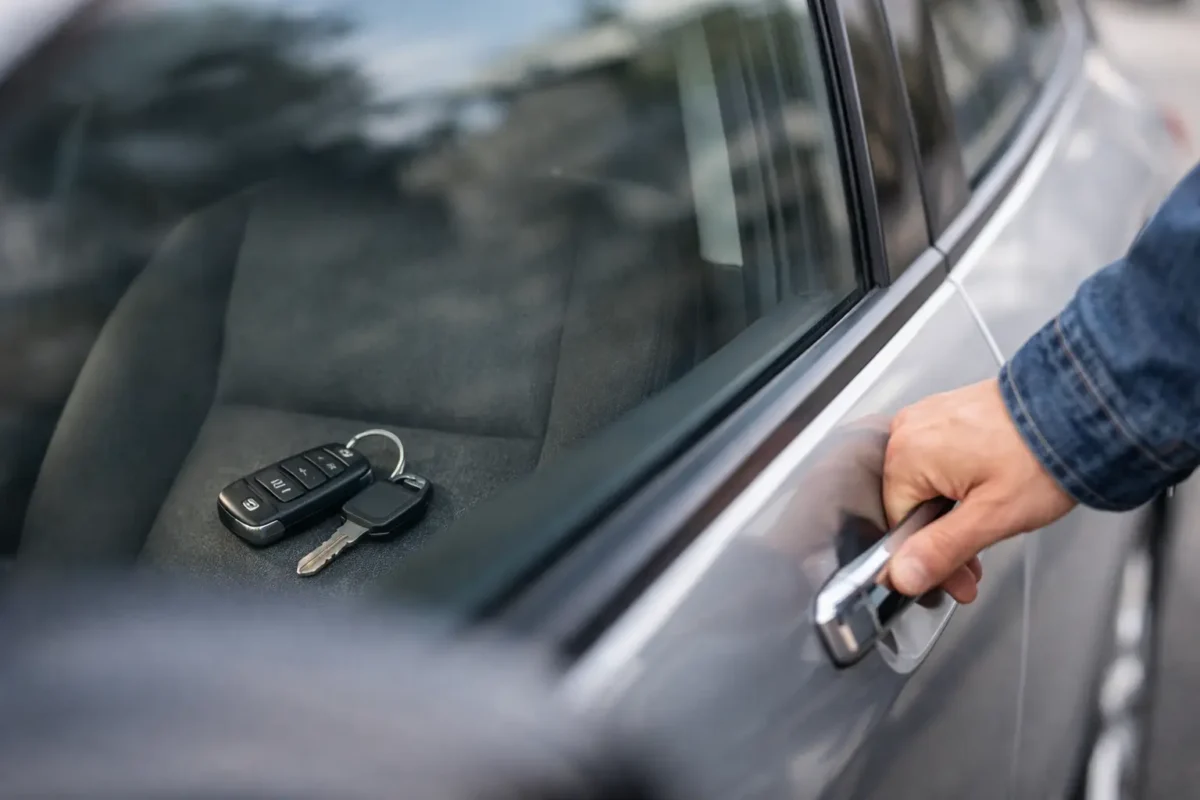
The worst part of a car locked keys inside situation is how fast it throws off your whole day. One second you are unloading groceries, heading to work, or buckling in a child, and the next your keys are sitting on the seat while the doors are shut. It is frustrating, but the next few minutes matter. A calm, careful response can save you time, prevent damage, and get you back on the road without making the problem bigger.
First steps when your car locked keys inside
Before you try anything, stop and check every door, including the trunk and hatch. It sounds obvious, but in a stressful moment many drivers only test the driver door and assume the whole vehicle is sealed. If the car has manual locks, look closely at each lock position. If you have a key fob, press the unlock button a few more times and check the battery if the fob seems weak.
Next, think about safety. If a child, pet, or vulnerable passenger is inside the vehicle, treat it as urgent. Heat and cold can become dangerous much faster than people expect, even in mild weather. Call emergency services right away if anyone inside the vehicle is at risk.
If no one is in danger, take a quick look at your surroundings. Are you parked somewhere safe and well lit? Do you have access to a spare key at home, with a family member, or at work? In some cases, waiting for a spare key is the simplest fix. In others, especially when you are stuck away from home or outside normal business hours, a mobile locksmith is usually the most practical option.
Should you try to get the door open yourself?
Sometimes. But it depends on the vehicle and the method you are considering.
Older cars with simple manual locks may allow a careful entry method without much risk. Newer vehicles are different. Many have tighter weather seals, side-impact airbags in the door, electronic locking systems, and more delicate trim. What looks like a quick DIY fix can easily turn into bent door frames, damaged stripping, scratched paint, or a lock mechanism that no longer works properly.
That is why the real question is not just whether you can open it yourself. It is whether the attempt is likely to cost you more in repairs than the lockout itself.
Common DIY methods and the trade-offs
The coat hanger method is the one most people think of first. On modern vehicles, it is often the least forgiving. It can scratch glass, tear the weather seal, or damage internal parts of the door if you cannot clearly see what you are doing.
A wedge and long-reach tool can work better, but only if used carefully and on the right vehicle. Too much pressure can bend the top edge of the door enough to create wind noise or water leaks later. That kind of damage may not be obvious until the next car wash or highway drive.
Lockout kits sold online make the job look simple, but they still require practice. If you have never used one before, your first attempt should probably not be in a parking lot while you are stressed and in a hurry.
If your vehicle has frameless windows, advanced anti-theft features, or a push-to-start system, trying random methods is a bad gamble. In those cases, calling a professional is usually the safer move from the start.
When calling a locksmith makes the most sense
A professional locksmith is the right call when the car is newer, the keys are visible but unreachable, the fob battery is dead, the lock seems to be malfunctioning, or you simply do not want to risk damage. It also makes sense when you are locked out late at night, parked in an unfamiliar area, or dealing with bad weather.
A good mobile locksmith does more than pop a door open. They assess the vehicle type, use the correct entry method, and avoid turning a lockout into a repair job. If the problem is bigger than keys left inside, such as a broken key, failed fob, or damaged ignition-related issue, they can often handle that on site as well.
For drivers in Aurora, Denver, Federal Heights, and nearby areas, that matters because a car lockout rarely happens at a convenient time or place. You need someone who can come to you, work on the vehicle where it sits, and solve the problem without unnecessary delay.
What a locksmith will usually ask
Expect a few basic questions when you call. They may ask for your vehicle make, model, and year, your exact location, whether the keys are visible inside, and whether anyone is locked in the car. They may also ask for proof that the vehicle is yours before or during service. That is standard and it protects everyone involved.
These details help the locksmith bring the right tools and prepare for complications like dead batteries, high-security keys, or electronic access issues.
What not to do in a car lockout
People usually make the situation worse by rushing. The first bad decision is forcing the door. Pulling hard on the handle, prying the frame with whatever is nearby, or jamming objects into the lock can create expensive damage fast.
The second mistake is breaking a window without a true emergency. If a child or pet is in immediate danger, that is different. Otherwise, broken glass creates safety risks, leads to cleanup, and costs far more than most people expect once the window and related parts need replacement.
The third mistake is assuming the problem is only the locked door. Sometimes the issue is actually a dead car battery, a failed key fob, or an electrical problem that prevented the unlock system from responding. If the vehicle is acting strangely, mention that when you call for help.
If your key fob is part of the problem
Not every lockout means the keys are plainly sitting on the front seat. Sometimes the fob is inside a bag, the battery is weak, or the vehicle is not recognizing it properly. Push-to-start systems add convenience, but they can also create confusion when something stops communicating the way it should.
If your spare fob works and the primary one does not, the issue may be battery related or tied to the fob itself. If neither works, there may be a programming or vehicle-side issue. A locksmith who handles automotive services can often help with fob battery concerns, replacement keys, and programming, not just door opening.
That matters because solving only the immediate lockout does not help much if you are going to be stuck again the next time you shut the door.
How to lower the odds of it happening again
Most repeat lockouts come from routine. You step out, set the keys down for a second, and muscle memory takes over. A few simple habits make a big difference.
Keep your keys or fob on your person before you close any door. If you use a push-to-start vehicle, avoid tossing the fob into cup holders, center consoles, or bags that stay in the car. If your vehicle allows app-based access or keypad entry, it may be worth setting that up before you ever need it. A spare key at home can help too, but only if you can realistically access it when you are away from home.
If lockouts happen more than once, there may be a hardware issue. Some vehicles have sticky locks, weak fobs, or intermittent electronic problems that make accidental lockouts more likely. In that case, fixing the underlying issue is more useful than just treating each lockout as bad luck.
The best response is the one that avoids damage
A car lockout feels simple until a quick fix goes wrong. The safest path is usually the one that protects the vehicle first. Check all access points, make sure no one inside is in danger, and be honest about whether a DIY attempt fits your car and your experience. If it does not, getting professional help is not overreacting. It is the practical choice.
When you are standing in a parking lot staring at your keys through the glass, the goal is not to prove you can solve it alone. The goal is to get back into your car safely, without turning one bad moment into a bigger problem. That is almost always the right way to handle it.