
Key Cutting Versus Duplication: What You Need
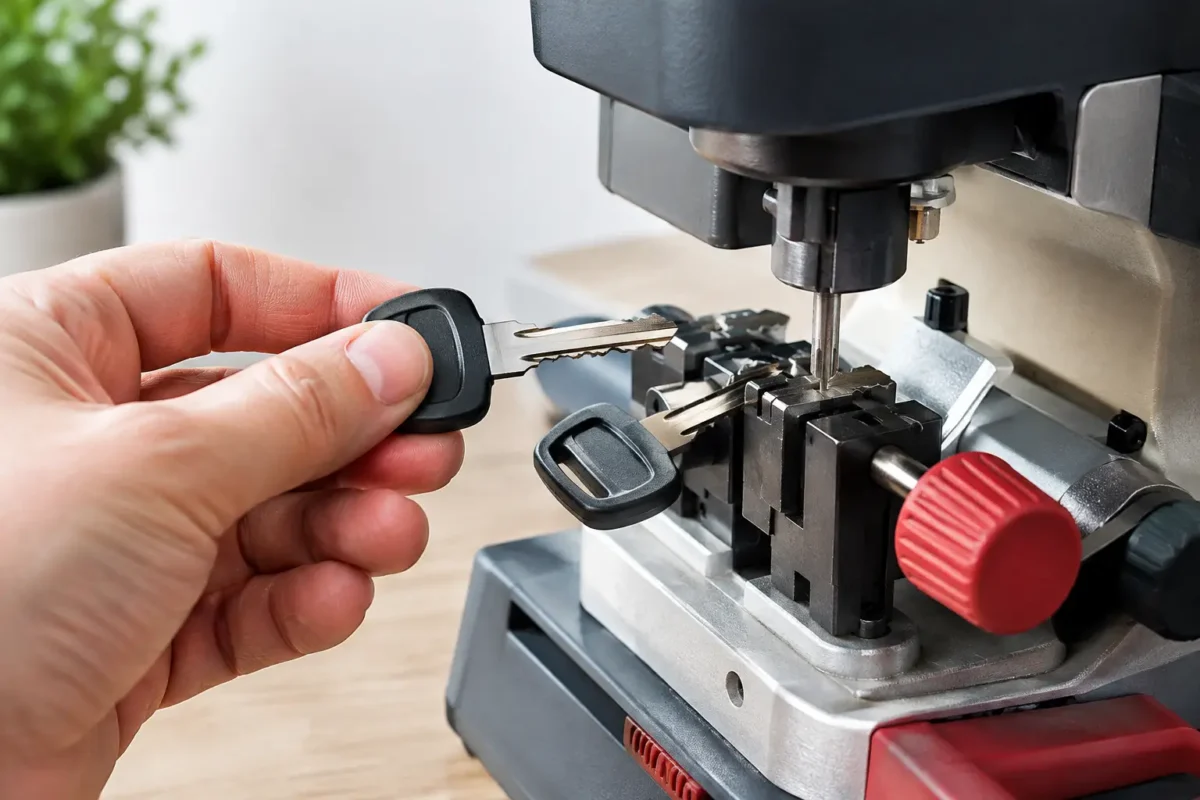
A spare key can prevent a lockout. A properly made replacement can restore access after the only key is lost. But key cutting versus duplication is not always as simple as it sounds, especially when you are dealing with a worn house key, a restricted commercial key, or a modern car key with a chip inside.
The right service depends on what you have, what you have lost, and what type of lock or vehicle you need to access. Knowing the difference helps you ask for the right solution and avoid relying on a copy that may not work when you need it most.
Key Cutting Versus Duplication: The Main Difference
Key duplication means making a copy from an existing working key. The locksmith places the original key and a matching blank into a cutting machine, then cuts the blank to match the original. When the original is in good condition and the correct blank is available, duplication is usually the straightforward answer for a homeowner who wants an extra key or a business that needs another key for an approved employee.
Key cutting is a broader term. It can include duplication, but it also describes cutting a key from its key code, lock information, or another authorized source when there is no working original to copy. If you have lost every key to your front door, mailbox, office, filing cabinet, or car, a locksmith may be able to cut a new key without an original in hand.
In everyday conversation, people often use the terms interchangeably. That is understandable. The practical distinction is this: duplication starts with an existing key, while key cutting can start with the information needed to create a key from scratch.
When a Duplicate Is the Right Choice
A duplicate is a good fit when your current key works smoothly and you simply need another one. That may mean giving a spare to a family member, keeping one with a trusted neighbor, preparing for a new tenant, or making an authorized copy for a staff member.
The condition of the original matters. A key that has been bent, heavily worn, cracked, or repeatedly forced in a lock can transfer its problems to the duplicate. If the original only works after jiggling it or using pressure, copying it exactly may produce another unreliable key. In that situation, a locksmith may need to assess the lock and cut a key to the proper specifications rather than duplicate the worn pattern.
Duplicate keys also need the correct blank. Keyways, grooves, shoulder shapes, thickness, and head styles vary. A blank that looks close is not necessarily correct. Using the proper blank protects the lock and gives the key the best chance of operating smoothly.
When a New Key Must Be Cut
A new key must typically be cut when all keys are lost, the key has broken beyond use, or an existing key is too damaged to duplicate accurately. This happens frequently after a homeowner misplaces a key ring, a driver loses a vehicle key, or a business needs access to a cabinet or door after the last authorized key disappears.
For many residential and commercial locks, a professional locksmith can create a key by decoding the lock. Decoding involves determining the depths and positions that make up the key pattern. Depending on the lock and the situation, the locksmith may also use a valid key code. The goal is a properly cut key that works with the lock as designed, not a rough copy of a worn-out key.
Sometimes cutting a new key is only part of the job. If keys were lost or stolen, restoring access is not enough. The security concern is that someone else may still have the missing key. Rekeying changes the internal pins or components of a compatible lock so the old key no longer works. This allows you to use a new set of keys without necessarily replacing the entire lock.
For a new homeowner, landlord, or business owner, rekeying is often the more sensible move after a change in occupancy. You do not know how many copies of an old key may be in circulation. A newly cut key paired with a rekeyed lock gives you control over access again.
Automotive Keys Are a Different Situation
Basic older vehicle keys may only require a physical cut. Modern vehicle keys are more complex. Many contain a transponder chip, remote buttons, or a keyless-entry fob. The metal blade may be cut correctly, but the vehicle still may not start until the chip or fob is programmed to communicate with the car.
That means a car key duplicate can involve two separate tasks: cutting the blade and programming the electronic component. The same is true when a lost car key is replaced from scratch. A locksmith needs the right equipment, the proper key or fob type, and vehicle-specific programming capability.
A remote that unlocks the doors but will not start the engine is not a complete solution. Likewise, a correctly cut emergency key blade may open the door but may not operate the ignition in vehicles that require an electronic credential. Before requesting service, let the locksmith know the vehicle year, make, model, and whether you have any working key or fob available. That information helps determine what kind of replacement is needed.
Why a Key Can Fail Even When It Looks Fine
Keys and locks wear together over time. Each use gradually affects the cuts on the key and the internal components of the lock. Dirt, lack of maintenance, misalignment, and a loose door can make a key feel like the problem when the lock is actually the issue.
If a newly duplicated key does not work well, do not keep forcing it. Forcing a key can bend it, break it, or damage the lock cylinder. Compare it with the original. If both keys are difficult to turn, the lock may need service. If only the duplicate is difficult, the key may need adjustment or a new cut.
A locksmith can check whether the trouble comes from the key, the lock, the door alignment, or a worn cylinder. That diagnosis matters because repeatedly making copies from a bad original only repeats the problem.
Residential, Commercial, and Restricted Keys
Not every key can or should be copied in the same way. Standard house keys are commonly duplicated, but high-security residential locks, commercial systems, and restricted keyways may require specialized blanks, authorization, or verification before a key is made.
Commercial properties often use master key systems. These systems are designed so one key may open certain doors while another opens a different group of doors. Adding a key without understanding the system can create access problems or weaken the intended security plan. Property managers and business owners should provide clear authorization and explain which doors the new key should operate.
Restricted keys are designed to limit unauthorized duplication. The key may be marked “Do Not Duplicate,” but the marking alone does not determine every situation. Some restricted systems use protected keyways and controlled distribution, meaning an authorized locksmith may need approval or account information before cutting another key. This is a security feature, not an inconvenience. It helps businesses and homeowners maintain control over who can obtain copies.
What to Have Ready Before Calling a Locksmith
A little information helps get the job handled correctly. For a duplicate, have the working key available and mention whether it has ever been difficult to use. For a lost key, be prepared to show proof that you own or are authorized to access the home, business, vehicle, or mailbox.
For vehicle service, have the year, make, and model ready. For commercial locks, explain whether the key works on one door, multiple doors, or a master key system. If keys may have been stolen, say so from the start. That changes the conversation from replacement alone to protecting the property.
Mobile locksmith service is especially useful when you cannot bring the lock, vehicle, or remaining key to a shop. BS Locksmith can assess the situation on-site across the Denver Metro area, whether you need an extra house key, a replacement vehicle key, or a security-minded solution after keys go missing.
Choose the Service That Protects Access
If you have a clean, reliable working key and need another authorized copy, duplication is usually the practical path. If no working key remains, the original is worn out, or security has changed, key cutting from lock information or codes may be the better answer. When lost keys could be in someone else’s hands, ask about rekeying rather than simply making another key.
The best key is not just one that turns in the lock. It is one that fits the situation, works reliably, and leaves you in control of who has access.