
How a Key Duplication Service Keeps You Ready
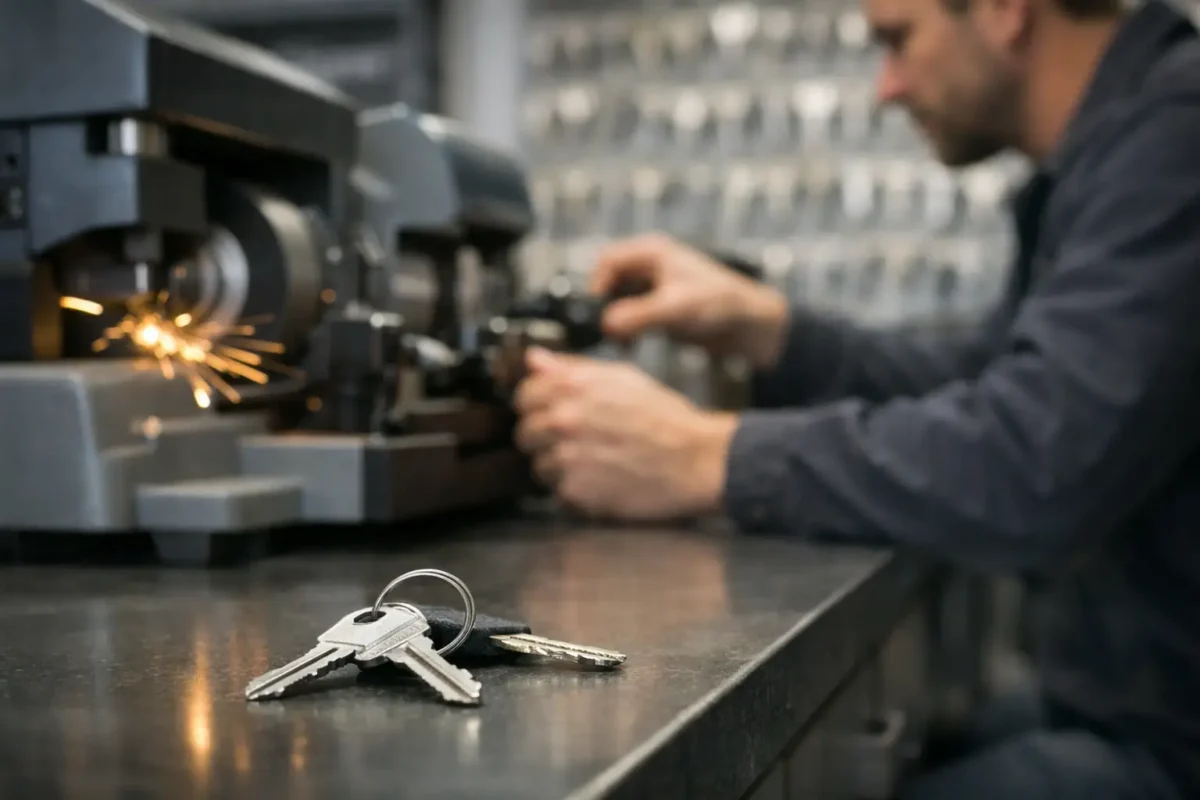
A missing key rarely becomes a problem at a convenient time. It happens when you are leaving for work, closing a business, picking up the kids, or trying to get home after a long day. A reliable key duplication service gives you a practical backup before a small inconvenience turns into a lockout, a security concern, or a disruption to your schedule.
For homeowners, drivers, property managers, and business owners, spare keys are about more than convenience. They help the right people maintain access, reduce unnecessary stress, and keep daily routines moving. The right duplicate also needs to work correctly, fit the lock properly, and match the security needs of the property or vehicle.
Why Spare Keys Matter More Than Most People Think
Many people wait until their only key is lost, bent, cracked, or locked inside before looking for help. That is understandable, but it limits your options. Having a duplicate key available means a trusted family member can check on the house, a property manager can access a unit when needed, or an employee can open the business without passing around the only original key.
A spare key is also useful when the original is showing signs of wear. Keys gradually lose their sharp edges after years of use. They may still turn the lock, but they can become inconsistent, stick in the cylinder, or require extra force. Making a duplicate from a good working key before it becomes heavily worn helps avoid copying those imperfections into the new key.
For a business, duplication supports everyday operations. A supervisor may need a key to open and close, a maintenance team may need access to a utility room, and an owner may want an emergency backup stored securely away from the building. The goal is not to create unlimited copies. It is to give authorized people the access they need while maintaining control over who holds each key.
What a Professional Key Duplication Service Can Copy
Standard house keys are the most familiar type of duplicate, but they are only one part of the job. A professional locksmith can identify the keyway, inspect the condition of the original, and determine whether a duplicate is the right solution or whether a new key should be made another way.
Residential and mailbox keys
Most residential keys can be duplicated when a working original is available. This includes keys for front doors, back doors, garage entry doors, gates, storage areas, and many mailbox locks. If a key works only intermittently, it is worth having the lock and key checked rather than assuming a fresh duplicate will solve the issue.
Sometimes the problem is not the key at all. A worn lock cylinder, a misaligned door, or damaged internal components can make even a correctly cut key difficult to use. In that situation, a locksmith may recommend repair, rekeying, or lock replacement instead of producing multiple copies of a failing key.
Commercial keys and controlled access keys
Business keys deserve extra attention because each copy can affect building security. Office doors, storefronts, storage rooms, equipment rooms, and restricted areas may use master key systems or restricted keyways. These systems are designed to give different people different levels of access.
A duplicate for one employee may open a single office, while a manager’s key may open several areas. Copying keys without considering that structure can create confusion or leave access in the hands of former staff. Property managers and business owners should keep a simple record of issued keys, collect keys when roles change, and consider rekeying when control has been lost.
Vehicle keys, transponder keys, and key fobs
Car key duplication is different from making a spare house key. Some older vehicles use a basic metal key, but many modern vehicles use transponder chips, remote fobs, proximity keys, or a combination of these systems. The metal blade may need to be cut, and the electronic portion may need to be programmed to communicate with the vehicle.
That is why a spare automotive key should be tested before it is needed. A key can look right but still fail to start the vehicle if its chip is not programmed correctly. Keeping a tested spare can save a driver from being stranded when the main key is lost, damaged, or stops responding.
When Duplication Is Enough and When It Is Not
Key duplication is the right answer when you have a functioning key and simply need an additional copy for authorized use. It is usually a straightforward way to prepare for everyday access needs. But there are situations where making another copy does not restore security.
If your keys were stolen, lost with identifying information, or left with someone who should no longer have access, rekeying is often the better move. Rekeying changes the internal pin configuration of the lock so the old key no longer works. You receive new keys without necessarily replacing the entire lock hardware.
If you recently moved into a home or took over a commercial space, it is also wise to consider rekeying before distributing duplicates. There is no reliable way to know how many copies of the previous key may be in circulation. Starting with a new key system puts you back in control.
Lock replacement may make more sense when the hardware is damaged, outdated, or no longer provides the level of protection you need. A locksmith can help determine whether your existing locks can be rekeyed, repaired, or upgraded with better hardware or smart lock options.
How to Get Better Results From a Duplicate Key
The best duplicate starts with the best available original. If you have two keys and one works more smoothly than the other, use the smoother key as the source. Avoid duplicating a heavily worn key several times in a row. Each copy can carry forward small errors, eventually creating a key that is less reliable than the original.
It also helps to think about where each spare will go before it is made. A key hidden outside in an obvious spot is not a security plan. A better option is to leave a spare with a trusted person, keep one in a secure location, or use a properly managed lockbox when appropriate for the property.
For businesses, label key records rather than keys themselves. A tag that says “rear office” can create a problem if it is lost. A numbered key log lets you track which key belongs to which person without advertising what a particular key opens.
Avoid forcing a duplicate that sticks. Forcing it can bend the key or damage the lock. If a new copy does not operate smoothly, have it checked promptly. The issue may be a minor cutting adjustment, but it could also reveal a lock problem that needs attention.
Choosing the Right Time to Make Spare Keys
The best time to arrange key duplication is before there is an emergency. Make copies after moving into a new home, adding a roommate, hiring a trusted employee, purchasing a vehicle with only one working key, or taking responsibility for a rental property. These are normal moments to plan access instead of reacting to a problem later.
A mobile locksmith is especially useful when you need more than a basic copy. On-site service can help when a lock needs inspection, a vehicle key requires programming, a commercial master key system needs to be reviewed, or you cannot safely bring the key or vehicle to another location. BS Locksmith provides mobile key and lock services for customers who need practical help at home, at work, or where their vehicle is located.
Keep Access Convenient Without Giving Up Control
A good spare key should make life easier, not create a new security risk. Give copies only to people you trust, keep track of who has them, and reconsider access after a move, staff change, breakup, tenant turnover, or lost key. When the situation changes, your key plan should change with it.
If your only key is worn, your spare no longer works, or you need keys for a home, business, mailbox, or vehicle, handle it while you still have a working original. A properly made and tested duplicate is a small step that can prevent a much bigger interruption later.