
Apartment Lockout Recovery: What to Do First
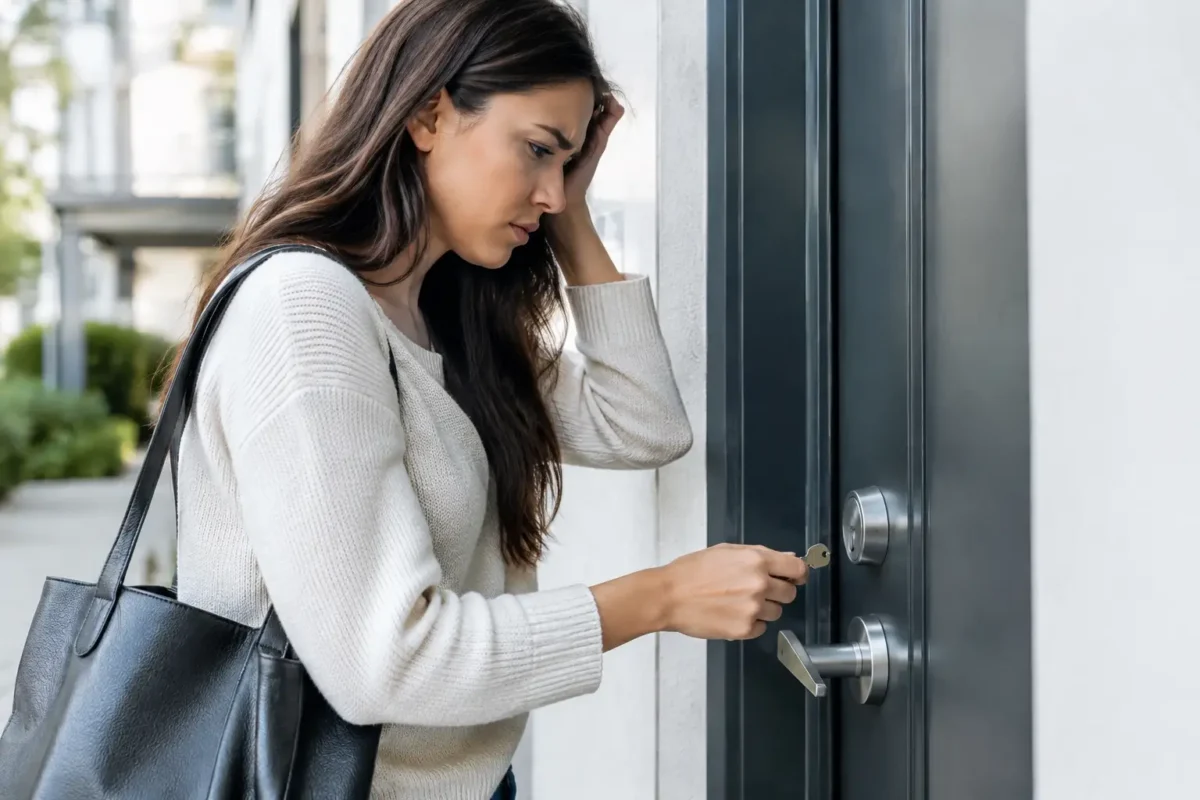
Your keys are on the kitchen counter, the door has already clicked shut, and you are standing in the hallway with no easy way back in. Apartment lockout recovery is stressful, especially at night, during bad weather, or when you need to get to work. The right response is not to force the door. It is to protect your safety, your lease, and the lock while getting back inside through a legitimate solution.
A locked apartment door can involve more than a lost key. The issue may be a broken key, a malfunctioning deadbolt, a smart lock with a dead battery, a door that shifted in its frame, or a key that was misplaced somewhere outside the building. Each situation calls for a slightly different response, but the first priorities stay the same: stay safe, confirm you have authorization to enter, and avoid damaging the property.
Apartment lockout recovery starts with safe choices
Take a breath before trying anything. Rushing often turns a simple lockout into a damaged lock, broken door frame, or security problem that affects everyone in the building. Do not pry the door, remove hardware, climb to a balcony, or attempt to enter through a window. Those choices can cause injury, trigger an alarm, violate your lease, and leave the apartment less secure afterward.
Start by checking the simple possibilities. Look through your bag, vehicle, jacket pockets, and any place you may have put a spare key. If you live with a roommate, partner, or family member, call them before assuming the key is gone. If your building has a leasing office, concierge, or on-site maintenance team, follow its after-hours lockout procedure if one is available.
Be careful about relying on a neighbor’s suggestion that you should use a card, wire, or improvised tool to bypass the latch. Modern apartment doors often have deadbolts, reinforced strike plates, or electronic hardware that will not open that way. Even if a method appears to work, it can damage weatherstripping, the latch, or the door frame. A professional locksmith uses appropriate methods to open an authorized door with as little disruption as possible.
Make sure you are in a safe place
If you are locked out in an interior hallway, lobby, or well-lit common area, stay where you can wait safely. If you are outside in severe Colorado weather, move to a secure nearby location if possible and keep your phone charged. Parents with young children, people with medical needs, and anyone locked out without necessary medication should treat the situation as more urgent.
If there is an immediate health or safety emergency, call emergency services. A locksmith can help with access problems, but emergency responders are the right resource when a child is alone inside, a stove may be on, a medical condition is involved, or there is a threat to someone’s safety.
Confirm who can authorize entry
Renters should expect to verify that they live in the apartment before a locksmith opens the door. A photo ID showing the address is helpful, but it is not always the only option. A lease document, building portal information, confirmation from property management, or identification found inside after entry may help establish occupancy, depending on the situation.
This verification protects tenants and property owners. A legitimate locksmith should not open a residence for someone who cannot reasonably show they are authorized to enter. If your identification is locked inside, explain that upfront. The locksmith can discuss acceptable ways to confirm residency without compromising building security.
When to call a locksmith for an apartment lockout
Calling a locksmith makes sense when you have exhausted reasonable key options, property management is unavailable, or the lock itself has failed. A mobile locksmith can come to the property, assess the door and lock hardware, verify authorization, and work toward non-destructive entry whenever conditions allow.
The exact approach depends on the lock. A standard keyed deadbolt may need a different service method than a keypad deadbolt, smart lock, mortise lock, or high-security cylinder. In some cases, the lock opens cleanly and you can continue using it. In others, a damaged keyway, failed internal component, or broken key means the lock may need repair or replacement after access is restored.
BS Locksmith provides 24/7 mobile lockout assistance for apartment residents in Aurora, Federal Heights, Denver, and surrounding areas. The goal is straightforward: help authorized residents regain access, protect the door and hardware where possible, and address the reason the lockout happened.
Tell the locksmith what happened
A few clear details can help the locksmith arrive prepared. Explain whether the keys are visible inside, whether a key broke in the lock, whether the deadbolt turns but will not open, or whether an electronic lock has stopped responding. Mention the building type and any access restrictions, such as a secured exterior entrance, elevator requirement, or managed gate.
Do not leave out a lost or stolen key. If you believe someone could identify your apartment from the keys, getting back in is only the first step. The cylinder may need to be rekeyed, or the lock may need to be changed, so the missing key no longer works. Your landlord or property manager may have requirements for this, so communicate with them as soon as practical.
What happens after the door opens
Getting inside can feel like the finish line, but take a minute to check whether the lock is operating correctly. Test the key, deadbolt, latch, and door alignment from both sides while you are safely inside. If the key sticks, the lock feels loose, or the deadbolt does not fully extend, arrange for repair before the next time you leave.
If your apartment uses a smart lock, replace weak batteries promptly and confirm that the keypad, app, backup key, and auto-lock settings work as expected. Smart locks are convenient, but they still need a dependable backup plan. Battery failure, connectivity issues, incorrect codes, and accidental auto-locks can all lead to the same frustrating result.
For a lost key, ask property management whether it prefers rekeying or lock replacement. Rekeying changes the internal configuration so the old key no longer operates the lock. It can be a practical option when the lock is in good condition and the building allows it. Replacing the lock may be the better choice when hardware is worn, damaged, outdated, or due for a security upgrade.
Prevent the next apartment lockout
The best prevention plan is simple enough that you will actually use it. Keep a consistent spot for your keys at home, and make a quick key check part of leaving the apartment. Before closing the door, touch your keys, phone, and wallet. That small routine prevents many accidental lockouts.
A spare key can help, but only if it is handled securely. Giving one to a trusted nearby person may work well for some renters. Hiding a key under a mat, in a fake rock, or near the door does not. It gives anyone looking for an easy entry point exactly what they need. If your property has rules about spare keys, follow them.
Consider making an extra key before you need one, especially if multiple household members use the same entrance. For electronic locks, keep fresh batteries on hand and learn the manufacturer-approved emergency entry process. If you are considering a smart lock upgrade, get landlord approval first and choose a setup that can be installed without creating issues with building hardware or shared access policies.
Property managers can reduce repeat lockouts by setting clear after-hours procedures, maintaining reliable building access systems, and keeping resident records current. Tenants should save the appropriate building contact information and keep it accessible outside the apartment, not only on a note posted inside.
A lockout is inconvenient, but it does not have to become a damaged door, a lease dispute, or a security risk. Choose a safe place to wait, verify your options, and call for professional help when the door will not open. Once you are back inside, use the experience to build a backup plan that makes the next exit less stressful.