
Aurora Car Locksmith Help for Keys and Lockouts
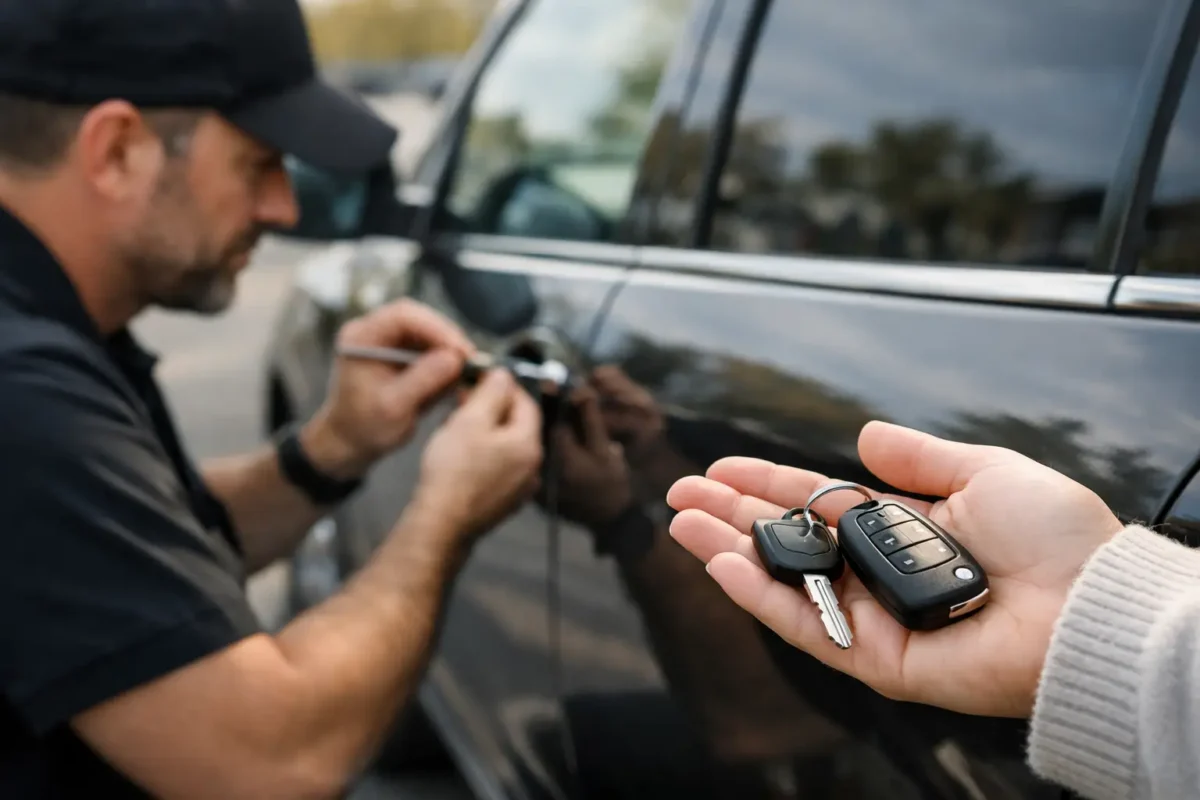
A car key problem rarely happens at a convenient time. You may be standing outside a grocery store with your keys on the seat, trying to start your vehicle with a damaged fob, or realizing the only working key is gone. An Aurora car locksmith brings the service to your location, so the problem can be handled where your vehicle is parked instead of adding a tow or a trip to a dealership.
For drivers in Aurora and the Denver Metro area, the right response depends on what actually failed. A basic lockout, a broken key, and a modern push-button start key are different jobs. Knowing the difference helps you explain the situation clearly and get the right mobile locksmith service from the start.
When to Call an Aurora Car Locksmith
Call for automotive locksmith help when you cannot safely or reliably access, start, or secure your vehicle. That includes keys locked inside the car, a lost or stolen key, a key that snapped in the ignition or door, and a remote that no longer works. A mobile locksmith can also help when a spare key needs to be made before an emergency turns it into a bigger problem.
A lockout is often the most urgent situation, but it is not always the most complex. On many vehicles, a trained locksmith can open the door without damaging the lock, weather stripping, window, or interior components. Trying to force the door open with household tools can bend the frame, scratch paint, damage an airbag component, or create a more expensive repair.
Lost keys require a little more planning. If the missing key has a chip, remote functions, or proximity-start capability, a replacement usually needs more than a metal key blank. The new key or fob must communicate correctly with the vehicle before it can start the engine. If theft is a concern, ask about removing the missing key from the vehicle’s recognized key list when that option is available.
Car Key Problems Are Not All the Same
Older vehicles may use a traditional mechanical key. These are generally straightforward to duplicate when an existing working key is available. Newer vehicles often use transponder keys, remote head keys, flip keys, key fobs, or proximity smart keys. Each one has a different combination of cutting, programming, battery, and diagnostic needs.
Locked Keys Inside the Vehicle
If the keys are visible through the window, it can be tempting to solve the problem yourself. It is better to stop before using a coat hanger, wedge, screwdriver, or improvised slim tool. Modern door systems have wiring, sensors, side airbags, and tight weather seals that are easy to damage.
A professional automotive lockout service uses vehicle-appropriate methods to regain entry while protecting the car. Once access is restored, take a moment to confirm that you have the keys, the remote works, and the vehicle starts before the locksmith leaves. If this has happened more than once, having a spare made is usually the practical next step.
Lost, Stolen, or Damaged Keys
A lost key can mean anything from replacing a simple key to creating and programming a new electronic key. The vehicle’s year, make, model, and key system determine the process. In some cases, the locksmith can create a key from the vehicle’s lock or key code information. In others, specialized equipment is needed to program the replacement key or fob.
A stolen key creates a security question, not just a convenience issue. If someone could identify your vehicle or has access to personal information connected to it, replacing the key alone may not be enough. Discuss whether the old key should be disabled from the vehicle’s memory and whether a mechanical lock issue also needs attention.
A key that is bent, cracked, sticking, or intermittently starting the car should not be ignored. Metal keys can break, and electronic keys can fail without warning. Replacing a failing key while you still have a working one is generally easier than waiting until you are stranded.
Transponder Keys, Fobs, and Push-Button Start
Many drivers assume a dead key fob battery is the only reason a remote stops working. Sometimes it is. Other times, the fob has internal damage, the vehicle needs programming, the key’s transponder chip has failed, or there is a vehicle-side issue. A locksmith can help identify whether the key itself is the likely problem before a replacement is made.
Transponder keys contain a small chip that sends an authorized signal to the vehicle. The key may turn in the ignition, but the engine may not start if the chip is missing, damaged, or not programmed. Proximity keys work differently, but the same basic principle applies: the vehicle must recognize the key before it will allow normal starting.
Not every replacement key option is identical. Some drivers want a basic working spare, while others need remote buttons, trunk access, remote start compatibility, or a proximity fob with full features. The right choice depends on your vehicle and how you use it. A clear conversation before the work begins prevents surprises about which functions the replacement key will support.
What to Have Ready Before Service
A mobile locksmith can work more efficiently when the essential vehicle information is available. You do not need to diagnose the problem yourself, but gathering a few details helps confirm the proper key type and service method. Have your vehicle registration and photo identification ready to establish ownership.
If possible, provide these details when you call:
- The year, make, model, and trim level of the vehicle
- Your exact parking location, including garage level or cross streets if needed
- Whether the key is locked inside, missing, broken, or not starting the car
- Whether you have a working key, spare key, or the vehicle identification number
Mention any unusual symptoms. For example, say whether the key turns but the engine will not start, whether the remote buttons stopped working after the fob was dropped, or whether part of a broken key remains in the ignition. Small details can point the technician toward the correct equipment and avoid wasted time on the wrong solution.
Why Mobile Service Matters for Vehicle Keys
When a vehicle cannot be accessed or started, transporting it somewhere else may be difficult. Mobile service brings key cutting, lockout tools, and programming capability to the vehicle. That is especially useful in apartment parking lots, office garages, driveways, shopping centers, and roadside locations where moving the car is not an option.
There are limits, and an honest locksmith will explain them. Some vehicles use highly specialized systems, have dealer-restricted procedures, or have an underlying ignition, battery, or immobilizer issue that is not caused by the key. A locksmith can address the lock and key side of the problem, but a mechanical or electrical vehicle fault may require a qualified auto repair shop afterward.
For most common lockouts, key replacements, transponder programming, and fob issues, mobile service is the direct route back to using your vehicle. BS Locksmith provides 24/7 mobile automotive locksmith service for drivers who need practical help without making the situation more complicated.
Avoiding the Next Car Key Emergency
The best time to make a spare key is before the original disappears. Keep a spare in a secure place away from the vehicle, not hidden in or under the car. If your household shares a vehicle, make sure the spare is accessible to the people who may need it.
Pay attention to early warning signs. Replace worn key fob batteries when remote range becomes unreliable, avoid attaching excessive weight to an ignition key, and do not force a key that is sticking. If a key has been through water, a hard impact, or a washing machine cycle, test it before relying on it as your only key.
When a key problem leaves you stuck, stay with your vehicle if the area is safe, keep proof of ownership available, and choose a mobile locksmith equipped for your vehicle’s key system. A careful repair or replacement today can save you from the same stressful call on a much worse day.