
10 Lockout Prevention Tips That Actually Work
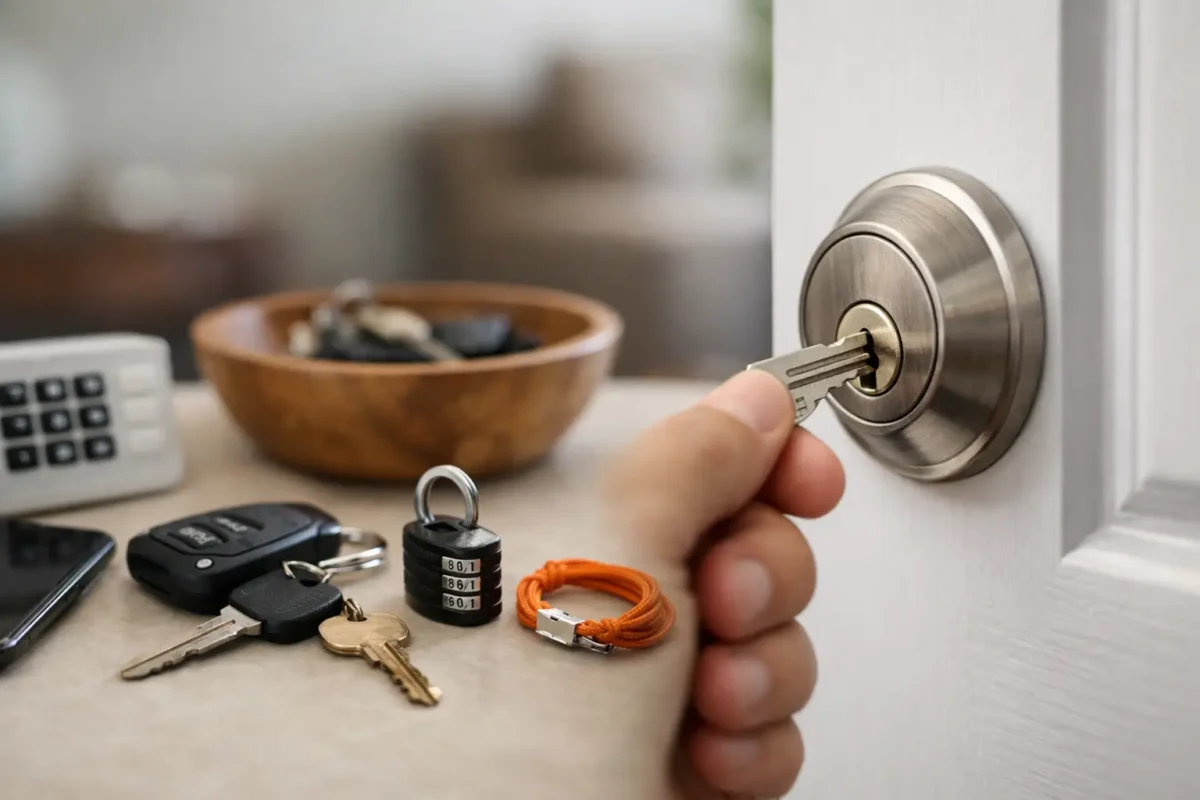
A lockout rarely happens because someone was careless. It usually happens during a rushed school drop-off, a late return from work, a move, or a busy day at the office when routines break down. The best lockout prevention tips focus on making access simple, creating a backup plan, and fixing small lock or key problems before they become an emergency.
For homeowners, drivers, property managers, and business owners, prevention is usually less expensive and less stressful than dealing with a locked door or vehicle at the worst possible moment. A few practical changes can greatly reduce the odds of being stuck outside.
Lockout Prevention Tips for Your Home
Your house key should have a backup, but that does not mean hiding one under a doormat, flowerpot, or fake rock. Those spots are familiar to anyone looking for an easy way in. A better option is leaving a spare key with a trusted nearby family member, neighbor, or friend who is reliably available.
If that is not practical, consider a quality lockbox installed in a discreet location. Choose one built for outdoor use, use a unique code, and change the code after a tenant moves out, a contractor finishes work, or someone no longer needs access. A lockbox is useful for homeowners, but it can be especially helpful for rental properties and caregivers who may need to enter quickly.
Make a habit of checking for your keys before the door closes behind you. This sounds basic, but habits work best when they are tied to another action. For example, touch your keys, phone, and wallet before stepping outside. Keep those items in the same place at home so you are not searching for them while rushing out the door.
Deadbolts with interior thumb turns are convenient, but they can create a problem if keys are left in the lock on the inside of certain door types. Before leaving, look for a key in the interior cylinder and remove it if necessary. If the lock is sticking, the key is hard to turn, or the latch does not catch consistently, arrange service before the hardware fails completely.
Rekey After a Change in Access
Rekeying is one of the most practical security steps after moving into a home. You may have received every key from the previous owner, but you cannot know who else had a copy made over the years. Rekeying changes the lock’s internal configuration so old keys no longer work, while allowing you to use a new key.
The same idea applies after a roommate moves out, a key is lost with identifying information, or you lend a key to someone who does not return it. Rekeying may be a better fit than replacing the entire lock when your existing hardware is in good condition. If the locks are damaged, outdated, or no longer meet your security needs, a lock change may make more sense.
Consider Smart Locks, With a Backup Plan
Smart locks can prevent common home lockouts because they allow keypad codes, mobile access, or both. You do not have to carry a physical key for every trip to the mailbox, dog walk, or trash run. They can also be useful for managing access for family members, cleaners, guests, and short-term rental occupants.
However, smart access is not a reason to forget about backups. Batteries can run low, phones can be misplaced, and not every smart lock works the same way during a power or connectivity issue. Select a model with a physical key override or an external emergency power option, and replace batteries on a schedule instead of waiting for alerts. Keep any backup key in a secure, separate location.
Avoiding Car Lockouts
Car lockouts often begin with a key fob left on the seat, in a cup holder, or in the trunk while unloading groceries. Modern vehicles may warn you when the fob is inside, but that feature is not universal and it may not work in every situation. Treat the fob like your phone: keep it on your person whenever you exit the vehicle.
Use a designated pocket, bag compartment, or clip for your car keys. Avoid setting them down temporarily while pumping gas, loading equipment, or helping children into the car. Temporary placements are easy to forget, especially in snow, rain, or a crowded parking lot.
A spare car key can help, but it needs to be planned correctly. Older vehicles may use a simple metal key, while newer cars often require a transponder chip or programmed key fob. A plain cut key may open the door but not start the engine. Have a working spare made and tested before you need it, then store it somewhere secure rather than inside the vehicle.
Pay attention to warning signs from the key fob. Reduced range, intermittent button response, or a dashboard message can mean the fob battery is getting weak. Replacing a small battery early is easier than finding out the fob will not communicate with the vehicle when you are away from home. If a key is bent, cracked, damaged by water, or has a broken button, address it before it fails altogether.
Key Control for Rentals and Businesses
For a business or managed property, lockout prevention is about more than one person having a spare key. It is about knowing who has access, what they can access, and what happens when their role changes. Untracked key copies create confusion and make it harder to respond when a key goes missing.
Start with a simple key-control process. Keep a record of issued keys, identify which doors they open, and collect keys promptly when employees or tenants leave. Do not label keys with a full address, company name, or unit number. If someone loses a labeled key, they should not also be handed a map to the door it opens.
For businesses with multiple staff members, access control or keypad systems can reduce the need for physical key sharing. Individual codes or credentials make it easier to remove access when needed without collecting every key. This is particularly useful for offices, retail spaces, storage areas, and common entrances in multi-unit properties.
There is a trade-off: electronic systems need clear management. Codes should not be shared casually, former employee credentials should be removed, and emergency procedures should be communicated to the people who open and close the building. A system only improves security when it is maintained.
Do Not Ignore Problem Doors
A door that needs to be pushed, lifted, pulled hard, or slammed to lock properly is not just annoying. It can lead to a lockout when the latch, strike plate, key, or lock mechanism finally gives out. Weather changes in Colorado can also affect door alignment as materials expand and contract.
Watch for a key that catches, a deadbolt that will not extend smoothly, loose hardware, or a door that drags against the frame. These are repair issues, not problems to work around every day. A locksmith can inspect the lock, adjust alignment, repair or replace worn hardware, and help prevent an avoidable emergency.
Build a Plan Before You Need One
The most effective lockout prevention plan is one everyone in the household or workplace understands. Decide who has the spare key, where it is kept, and who can be called if access is needed. For families, make sure older children understand the plan without giving them a key they may lose. For property managers, document the procedure for after-hours access and tenant emergencies.
Keep the number of a local 24/7 locksmith saved in your phone as a backup. If you are locked out, avoid forcing a door, prying a window, or using improvised tools that can damage the lock, door frame, weather stripping, or vehicle. BS Locksmith provides mobile lockout help and can also address the key, lock, or access issue that caused the problem.
A little preparation gives you more than a spare key. It gives you a calm, practical next step when a busy day does not go as planned.