
Business Security Locks That Fit Your Building
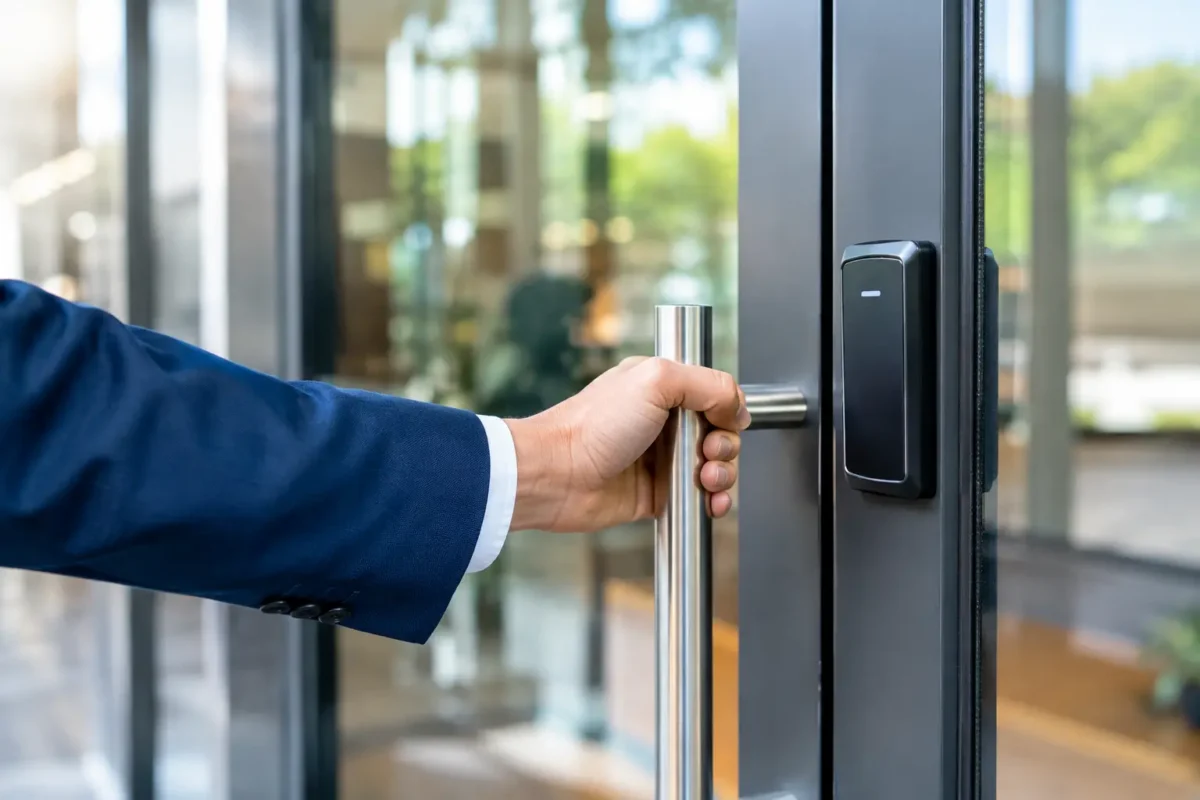
A lost employee key, a back door that does not latch correctly, or a former contractor who still has access can become a real business problem fast. The right business security locks help you control who enters, protect equipment and records, and keep daily operations moving without making the building difficult for authorized people to use.
For a small office, retail store, warehouse, restaurant, or multi-tenant property, security is rarely about one lock alone. It is about the doors people use, the keys that exist, the hours the building is open, and what happens when staff changes. A practical security plan starts with the entry points that matter most.
Start With the Doors That Create the Most Risk
Walk through the property as if you were arriving after hours. Look beyond the front entrance. Rear service doors, employee entrances, storage rooms, electrical closets, gates, and delivery areas are often the places that need closer attention.
A good commercial lock should match the door and how it is used. A busy main entrance needs hardware that can handle frequent traffic. A stockroom may need tighter key control. An exterior door exposed to Colorado weather needs properly installed hardware that closes and latches reliably. Installing a stronger lock on a weak door frame, loose strike plate, or misaligned door will not solve the underlying issue.
Check for doors that can be pushed or pulled without a key, deadbolts that do not fully extend, handles that feel loose, and doors propped open for convenience. Those issues are often easier to address than business owners expect, but they should not be ignored just because the lock still turns.
Business Security Locks Are Not One-Size-Fits-All
Commercial security hardware comes in several forms, and the best choice depends on the location, traffic level, and access needs. The goal is to use equipment that makes sense for the business rather than adding complexity where it is not needed.
Grade-rated mechanical locks
For many businesses, quality commercial-grade deadbolts, lever locks, and knob locks are the starting point. Grade-rated hardware is built for more frequent use than basic residential hardware and is a sensible choice for offices, storefronts, and interior rooms.
Lever handles are common in commercial settings because they are easy to operate and can support accessibility requirements when correctly selected and installed. The hardware still needs to fit the door type, door thickness, and existing preparation. A professional assessment prevents problems such as a lock that binds, a latch that does not catch, or a door that cannot close properly.
High-security cylinders and restricted keyways
Standard keys are simple to copy. That can be convenient until a key is handed to a temporary worker, former employee, vendor, or tenant and never returned. High-security cylinders and restricted key systems give business owners more control over duplication and key distribution.
This option is useful when a small group needs access to sensitive spaces, such as medical files, accounting offices, server rooms, inventory cages, or maintenance areas. It does not eliminate the need for key management, but it makes that management much easier. Keep a record of who receives each key, collect keys during offboarding, and review the list regularly.
Panic hardware and exit devices
Exit doors must allow people to leave safely and quickly. Panic bars and other exit devices are designed for that purpose, especially in buildings with public traffic or larger occupancy. They are not simply a security add-on. They must be selected and installed with life safety, local code requirements, and the building’s door configuration in mind.
A common mistake is treating an emergency exit like a standard locked door. The outside can be secured, while the inside must still provide safe egress. If an exit device is sticking, damaged, or difficult to operate, it needs attention promptly.
Electronic locks and access control
Electronic locks and access control systems replace or supplement physical keys with codes, cards, fobs, mobile credentials, or managed access schedules. They are especially helpful for businesses with multiple employees, changing shifts, several doors, or a need to remove access without collecting a key.
The trade-off is that electronic hardware needs power, correct programming, and ongoing administration. A simple keypad lock may work well for one controlled door. A larger office or property may benefit more from an access control system that lets management assign different permissions by person, door, or time of day. Choose the level of technology your team can realistically maintain.
Rekeying Often Makes More Sense Than Replacing Every Lock
When keys have gone missing or staff access has changed, many business owners assume every lock needs to be replaced. Sometimes that is necessary, especially if hardware is worn, damaged, outdated, or not suited to the door. But rekeying is often the more practical solution.
Rekeying changes the internal configuration of an existing compatible lock so old keys no longer work. It is a smart move after employee turnover, a tenant change, a lost master key, or a security concern involving an unreturned key. It can also allow several doors to work with one new key, reducing the number of keys a manager needs to carry.
Before choosing rekeying, inspect the condition of the hardware. A lock that is difficult to turn, has a damaged cylinder, or no longer latches correctly may need repair or replacement instead. Security works best when the hardware is dependable as well as controlled.
Build a Key Plan Before You Have an Emergency
Keys tend to multiply when there is no clear system. A spare gets made for a new hire, another goes to a cleaner, and a former manager’s key is never accounted for. Months later, nobody knows how many copies are in circulation.
Create a simple written key plan. Assign keys to people rather than departments whenever possible, document what each key opens, and make key return part of the final workday process. Limit master keys to people who truly need them. For properties with multiple suites or departments, a master key system can reduce key clutter while keeping access separated, but it should be planned carefully.
Do not store labeled spare keys in obvious places such as a desk drawer near the door. If a spare must remain on-site, keep it in a controlled, secured location. The same common-sense approach applies to access codes and fobs. Change codes when responsibilities change, and deactivate credentials that are no longer needed.
Do Not Overlook the Door, Frame, and Closing Hardware
A lock is only as useful as the door assembly around it. Forced entry often targets weak strike plates, short screws, damaged frames, exposed hinges, or doors that do not close fully. Even normal daily use can create gaps over time when a door shifts or a closer loses adjustment.
Commercial doors should close and latch without being slammed or pulled into place. The strike should align with the latch or bolt, and the door closer should control the door without making it excessively hard to open. For exterior doors, weather changes and heavy use can affect alignment. Addressing these smaller mechanical issues protects the lock and helps keep the entry secure.
If your building has glass near an entry lock, consider whether someone could reach through broken glass to operate the inside hardware. The right solution depends on the door’s use, fire and egress requirements, and the overall layout. This is one reason a site-specific assessment is better than selecting hardware based on appearance alone.
When to Call a Commercial Locksmith
Some security needs are planned, such as opening a new location, upgrading a suite after a move, or adding employee access control. Others need immediate attention, including a break-in, damaged lock, malfunctioning exit device, or keys that cannot be accounted for.
A commercial locksmith can inspect the full door opening, recommend compatible hardware, rekey cylinders, repair lock problems, set up key systems, and install access control where it makes sense. For businesses in Aurora, Federal Heights, Denver, and nearby communities, BS Locksmith provides mobile commercial locksmith service for both urgent lock concerns and planned security upgrades.
Before work begins, explain which doors concern you, how many people need access, whether the property has public traffic, and whether there are existing keys or systems you want to keep. Clear details help ensure the solution fits the way your business actually operates.
A secure building should not require your staff to wrestle with doors, carry an overloaded key ring, or wonder who still has access after a personnel change. Review the doors that matter most now, while you have time to make a clear, practical decision.