
Retail Access Control Case Study for Safer Stores
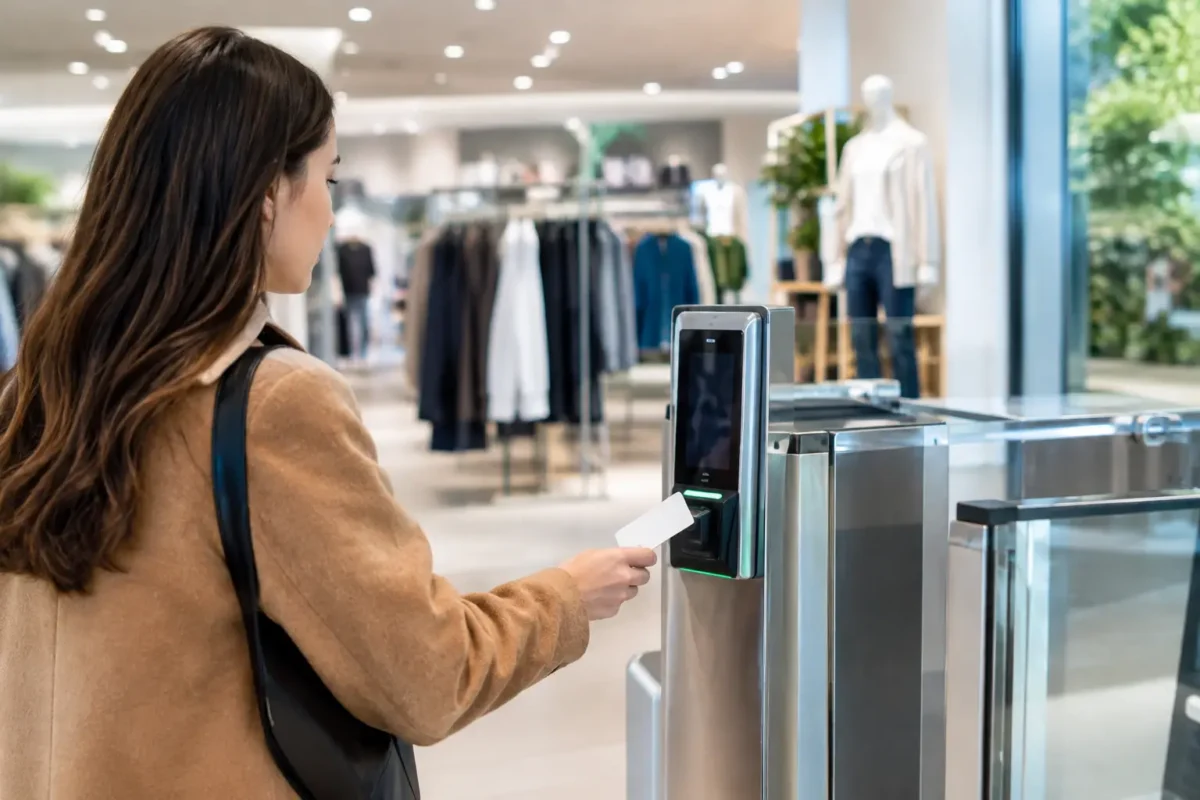
A retail access control case study is most useful when it looks beyond the front door. Retail security problems often start with ordinary moments: an employee opens early, a delivery arrives at the rear entrance, a manager leaves, or a former worker still has a key. For a small store, one uncontrolled door can put inventory, cash handling areas, employee safety, and daily operations at risk.
This illustrative case study follows the type of access control upgrade that makes sense for a growing retail business. It is not about adding technology for its own sake. It is about deciding who needs access, where they need it, and how the store can stay secure without making every shift harder.
The Store’s Security Problem
The business was a locally owned specialty retailer with a sales floor, stockroom, small office, rear delivery entrance, and an employee-only side door. The store had standard keyed locks on every opening. Over several years, keys had been issued to managers, assistant managers, long-term staff, cleaning personnel, and a former shift supervisor.
No one could say with confidence how many working keys were still in circulation. The owner could change the front-door lock after an employee departure, but doing that repeatedly was disruptive and did not address every exterior or interior door. The stockroom held high-value merchandise, while the office contained business records, keys, and access to the alarm controls.
The concern was not that every employee could not be trusted. The concern was accountability. A physical key does not show who entered, when they entered, or whether it was copied without permission. When a door was found unsecured one morning, the owner had no practical way to investigate what happened.
What the Business Needed From Access Control
The owner did not need a complicated enterprise system with features the team would never use. The priorities were straightforward: remove uncertainty around old keys, limit access to sensitive areas, make staff changes easier to manage, and keep normal opening and closing routines simple.
A locksmith’s site assessment identified three different security needs. The front entrance needed reliable access for managers opening and closing the store. The rear delivery door needed controlled access during business activity without being left vulnerable after deliveries. The stockroom and office needed tighter restrictions because not every employee needed entry.
That distinction matters. A store can create unnecessary frustration by putting the same restriction on every door. On the other hand, treating every door as a basic keyed entry point can leave valuable areas exposed. Effective access control matches the door, the people, and the daily use of the space.
The Retail Access Control Case Study Plan
The recommended approach combined electronic access at the most sensitive doors with appropriate commercial hardware. The front and rear exterior doors received credential-based access control, allowing authorized staff to use assigned fobs or codes rather than a shared key. The stockroom access point was also brought into the system, with permissions limited to managers and employees who handled inventory.
The office was treated differently. Because it was used less often and held sensitive materials, access was limited to the owner and designated managers. This reduced the number of people who could enter without forcing the business to restrict the entire team from areas they needed for normal work.
Each authorized user received an individual credential. That gave the owner a clear way to add access for a new hire and remove it when someone left. If a fob was lost, the credential could be disabled rather than requiring the business to replace every lock and distribute new keys to the remaining staff.
The system was also configured around the store’s schedule. Staff did not have unrestricted after-hours access by default. Managers had broader permissions for opening, closing, and approved off-hours work, while other employees could enter during their assigned working periods. Schedules should be reviewed carefully, especially for businesses with early deliveries, seasonal hours, or cleaning crews that arrive after closing.
Installation Was About the Hardware, Not Just the Reader
Access control works only when the door hardware supports it. During planning, the installer checked the condition of the doors, frames, closers, hinges, and latching hardware. A poorly aligned door can fail to latch consistently, and a door that does not close fully can undermine an otherwise well-designed system.
The rear entrance required particular attention. Delivery doors receive more wear than many retail entrances, and staff may be tempted to prop them open when moving boxes. The upgrade included a reliable closing and locking setup so the door would secure itself after use. The owner also set a clear procedure: deliveries were received by authorized staff, and the door was not left unattended.
This is a practical trade-off. Electronic access can reduce the need for rekeying and give a business better control, but it does not replace sound door maintenance or staff procedures. A damaged frame, worn closer, or defeated latch still needs repair.
The Result: Better Control With Less Disruption
After installation, the business had a much clearer picture of who could access each area. Former employees no longer created an ongoing key-control concern because their credentials could be removed from the system. New staff could be issued access based on their role instead of being handed a master key that opened more doors than necessary.
The owner also gained entry records for the controlled doors. That did not mean every event required investigation. Most entries were routine. But when a question came up about an early opening, a missed closing step, or access to the stockroom, the business had useful information rather than guesswork.
The greatest operational improvement came during staffing changes. Previously, a resignation or termination raised an immediate question: Should the store rekey? With individual credentials, management could remove access promptly while keeping the rest of the team working normally. That is especially valuable for retailers with part-time employees, seasonal staff, or frequent changes in shift coverage.
Lessons for Other Retail Owners
A retail store does not need dozens of doors to benefit from access control. Even a single-location shop may have several areas that should not all be handled with the same key. Start by looking at the front door, employee entrance, stockroom, office, cash room, receiving area, and any door shared with other tenants.
Ask a few direct questions. Who currently has keys? Which employees truly need after-hours access? Can you quickly remove access when someone leaves? Are high-value inventory and records behind doors that too many people can open? The answers usually reveal whether a standard lock-and-key setup is still meeting the business’s needs.
It also helps to consider the right credential type. Fobs are simple and familiar for many teams. Codes can be convenient but should not be shared. Mobile credentials can work well for businesses that prefer staff to use their phones, although they depend on employees keeping devices available and properly secured. The best option depends on the store’s staff size, turnover, workflow, and comfort with technology.
Do not overlook emergency planning. Employees must be able to exit safely, and the system must be installed with the proper commercial hardware and local code requirements in mind. Access control is meant to manage entry, not interfere with safe exit during an emergency.
When a Simple Rekey May Be Enough
Access control is not automatically the right answer for every retail business. If a small shop has only one exterior door, a stable team, and limited need to restrict interior areas, rekeying high-quality commercial locks may be the more practical choice. Rekeying is also a smart immediate step after lost keys, a staff change, or a tenant turnover.
The decision changes when keys are regularly passed between employees, several doors need different permission levels, or the owner wants a record of access. In those cases, electronic access control can reduce repeated rekeying and make day-to-day security easier to manage.
For Denver-area retailers, BS Locksmith can assess the doors you have, identify the weak points, and recommend a practical access control setup that fits how your store actually operates. The best security plan is the one your team can follow every day, even during the busy shifts when nobody has time to think twice about a door.