
Can a Locksmith Make a Key Without the Original?
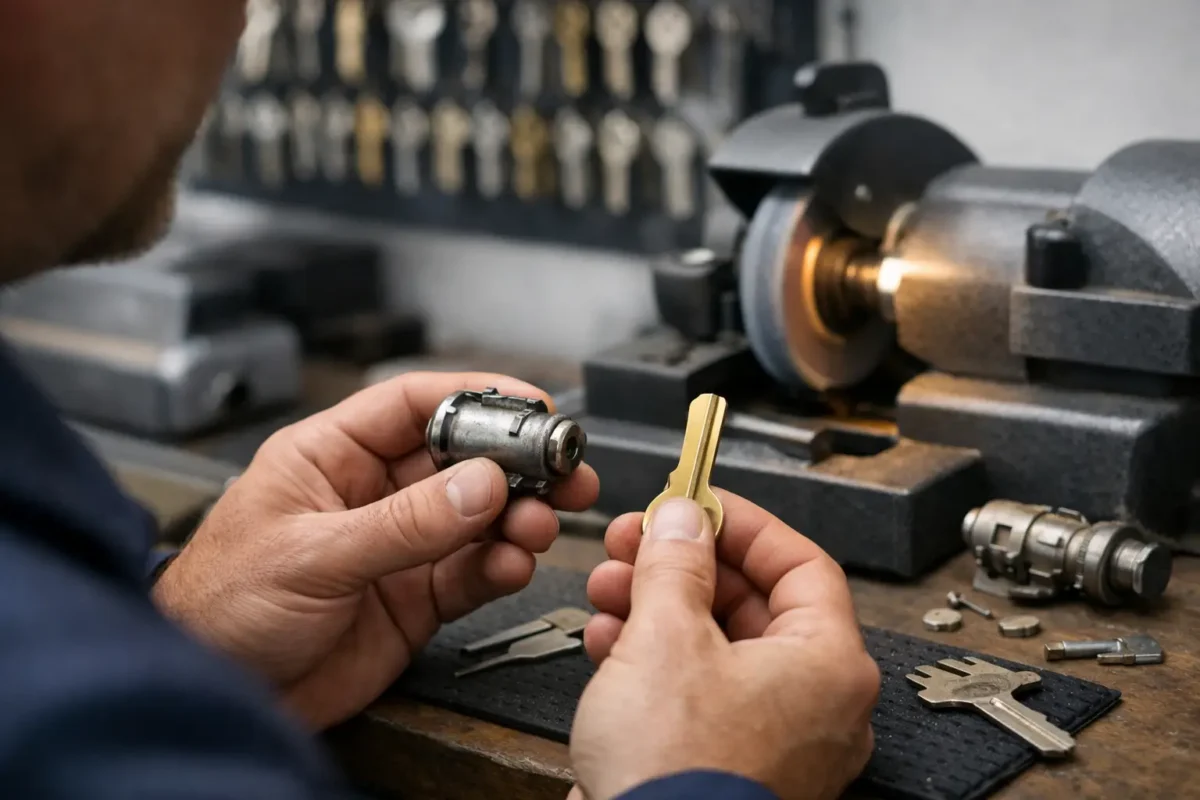
Losing the only key to your house, car, or office usually hits at the worst possible time – when you’re late, locked out, or trying to secure a property fast. The short answer to can a locksmith make a key without the original is yes, in many cases. A professional locksmith can often create a working key by decoding the lock, using the lock code, disassembling the cylinder, or programming a replacement for newer vehicles.
What matters is the type of lock, the condition of the hardware, and whether the locksmith can verify that you own or are authorized to access the property or vehicle. It is not the same process for every situation, and that is where experience really matters.
Can a locksmith make a key without the original for any lock?
Not every lock works the same way, so there is no one-size-fits-all answer. A standard house lock is usually much more straightforward than a high-security commercial cylinder. A basic metal car key is different from a laser-cut key, and both are very different from a push-to-start vehicle with a transponder chip or smart fob.
In many residential and commercial situations, a locksmith can create a new key without having the original in hand. That might involve reading the lock, identifying the pin depths, cutting a fresh key, and testing it on-site. In automotive work, the locksmith may need to cut the blade and also program the chip or fob so the vehicle recognizes it.
Sometimes the smarter move is not key generation at all. If the key is missing and you are concerned that someone else may have it, rekeying or replacing the lock may be the safer option.
How locksmiths make a key when the original is gone
There are a few common methods, and the right one depends on the lock and the information available.
Decoding the lock
For many pin tumbler locks, a locksmith can decode the lock to determine the cuts needed for a new key. This can be done by using professional tools to read the lock or by removing the cylinder and examining the pin stack. Once the bitting is known, a new key can be cut to match.
This approach is common for homes, some businesses, mailboxes, cabinets, and older vehicles. It takes training and the right equipment, but it is often the cleanest path when no original key is available.
Using a key code
Some locks and many vehicles are tied to a key code. If that code is available through the lock hardware, vehicle information, or authorized records, a locksmith may be able to cut a key directly from that code.
This can save time, but access to codes is not automatic. Proof of ownership and the specific make or lock brand can affect whether this method is possible.
Impressioning
In some cases, a locksmith can use impressioning, which is a skilled technique where a blank key is inserted into the lock and marked by the internal components. Those marks help the locksmith shape the key gradually until it operates the lock.
It is a real method, but not every locksmith uses it in every situation. It depends on the lock style, the working conditions, and whether another method would be faster or more reliable.
Disassembling the lock
If needed, the lock can be removed and taken apart so the locksmith can identify the exact key cuts. This is especially useful when the lock is worn, damaged, or not responding well to decoding tools.
The trade-off is that disassembly takes more labor and may not be ideal during an urgent lockout if another option is available first.
House keys and apartment keys
For most homes, yes – a locksmith can often make a key without the original. Common deadbolts and knob locks are usually serviceable on-site, especially when the hardware is in decent condition.
That said, making a new key is not always the best answer. If your only key was lost somewhere outside the home, many homeowners choose to rekey the locks instead. Rekeying changes the internal pin configuration so the old key no longer works. You still end up with a new key, but you also close the security gap.
For renters or apartment residents, permission may matter. If the lock belongs to the property owner or management company, the locksmith may need authorization before proceeding.
Car keys are more complicated than they used to be
Automotive locksmith work is where people are often surprised by how much depends on the vehicle. If you have an older car with a basic mechanical key, making a replacement without the original is often pretty straightforward.
Newer vehicles are different. Many use transponder keys, laser-cut keys, remote head keys, or proximity fobs. In those cases, the locksmith is not just cutting a piece of metal. They may also need to program the replacement so the car’s immobilizer system accepts it.
Can a locksmith make a car key without the original?
Yes, often they can, but the process depends on the year, make, and model. Some vehicles allow on-site key generation and programming with the right diagnostic tools. Others may require more steps, security verification, or specific equipment.
If the ignition, door lock, or key system has been changed in the past, that can add another layer. A vehicle may no longer match the factory code, which means the locksmith has to work from the current hardware rather than the original record.
For drivers, the big takeaway is simple: losing your only car key does not automatically mean towing the vehicle somewhere. A mobile locksmith can often handle the cutting and programming where the car is parked.
Commercial locks and restricted key systems
Businesses often deal with heavier-duty hardware, master key systems, and restricted keyways. A locksmith may still be able to make a key without the original, but there are more variables.
If the property uses a standard commercial cylinder, creating a replacement key may be routine. If it uses a restricted system, the locksmith may need authorization from the owner, property manager, or whoever controls that key system. That is by design. Restricted keys are meant to limit unauthorized duplication.
For offices, retail spaces, and small commercial properties, missing keys also raise a security question. If employee turnover or lost keys are involved, rekeying may be the smarter fix even if a new key can be made.
What can slow the process down?
A locksmith’s ability to make a key without the original usually comes down to access, hardware type, and condition.
Worn locks can be harder to read accurately. Damaged cylinders may need repair before a reliable key can be cut. High-security hardware may require specialized blanks, extra authorization, or brand-specific tools. For vehicles, the programming side can be the biggest factor, especially on newer models.
Documentation can also matter. A reputable locksmith will want proof that you own the car, live at the property, or are authorized to request service. That protects everyone involved and helps prevent the wrong person from getting access.
When rekeying or replacing makes more sense
If your key was stolen, lost with identifying information, or tied to a recent move or tenant change, making a duplicate key may not solve the real problem. The issue is no longer convenience. It is control over who may still have access.
In those cases, rekeying is often the better middle ground. You keep the existing lock hardware if it is in good shape, but the old key stops working. If the lock is damaged, outdated, or no longer meeting your security needs, replacement may be the better long-term move.
This is especially relevant for landlords, property managers, and business owners. Restoring access is one job. Restoring security is the bigger one.
What to have ready when you call
If you need a key made without the original, be ready with the basics: the type of property or vehicle, the lock location, and any identifying details such as the vehicle year, make, and model. If you have ID, registration, or proof of occupancy available, that can help the locksmith move forward without unnecessary delays.
Photos can also be useful. A picture of the lock, keyway, or vehicle ignition may help determine what tools or programming equipment are needed before arrival.
For customers in Aurora, Denver, Federal Heights, and nearby areas, BS Locksmith handles these situations on-site for residential, commercial, and automotive needs, including car key replacement and programming when applicable.
Losing the original key feels like a bigger problem than it often is. The right locksmith can usually create a solution, but the best solution depends on whether you only need access back or also need to protect the property, vehicle, or business going forward.