
8 Best Keyless Entry Options for Security
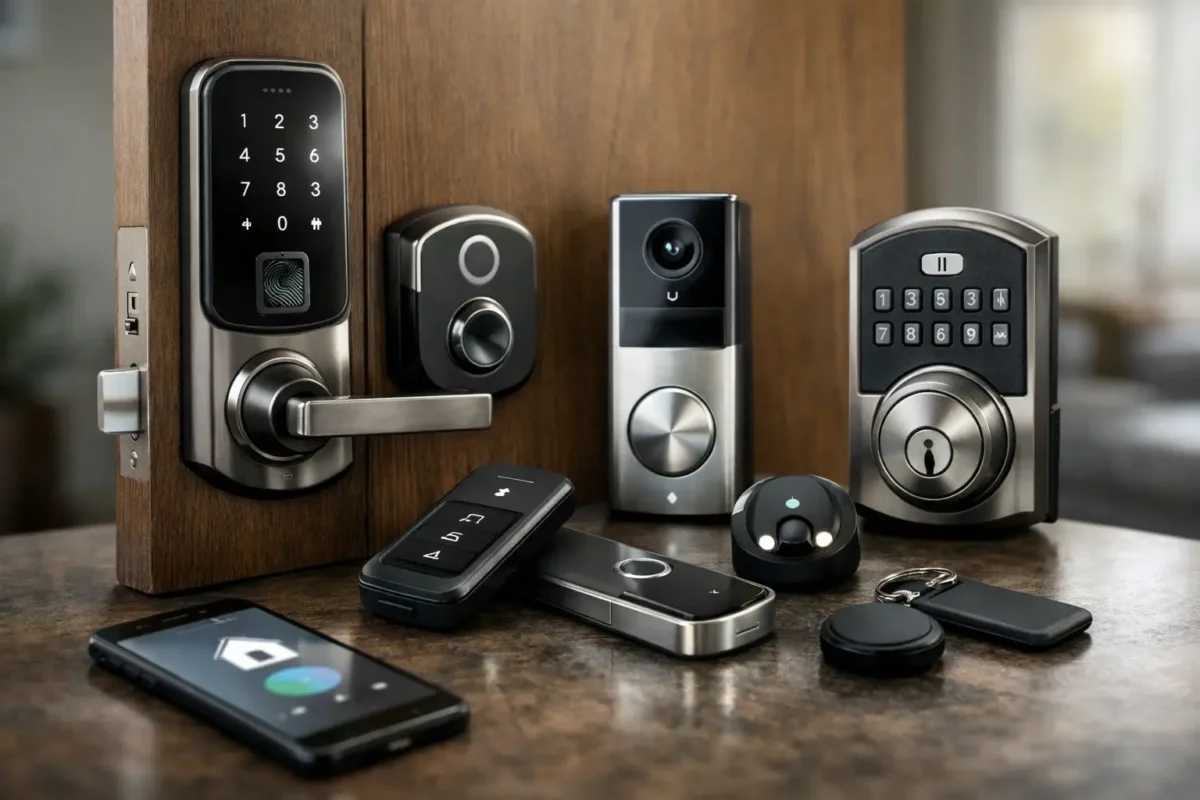
A lost key at the wrong time can turn a normal day into a headache fast. That is why more homeowners and business owners are looking at the best keyless entry options instead of sticking with traditional keys that get copied, misplaced, or handed around too casually.
Keyless entry is not one thing. It covers simple keypad deadbolts, smart locks you control from your phone, standalone commercial locks, and full access control systems for larger properties. The right pick depends on the door, the people using it, and how much control you want over access.
What the best keyless entry options actually solve
The biggest benefit is convenience, but convenience is only part of the story. Keyless systems can also reduce the hassle of rekeying after a tenant moves out, a cleaner changes, or an employee leaves. Instead of chasing physical keys, you can often change a code, remove a user, or update permissions.
That said, keyless entry is not automatically better for every situation. Some systems are perfect for a front door at home but not ideal for a busy office. Others are excellent for a commercial building but overkill for a side garage door. The best choice usually comes down to balancing security, reliability, and how people actually use the space day to day.
Best keyless entry options for different needs
Keypad deadbolts
For many homes, keypad deadbolts are the most practical starting point. You enter a code, the lock opens, and there is no key to carry unless you keep a backup key model. This works well for families, rental properties, and anyone tired of hiding a spare key in a bad spot.
A keypad deadbolt is often one of the easiest upgrades because it fits the way most people already use their front door. You still get a familiar locking setup, but with fewer problems around lost keys. The trade-off is battery maintenance and code management. If too many people know the same code, the security benefit drops.
Smart locks with app control
Smart locks add another layer of control. In addition to a keypad, many let you lock or unlock the door through an app, create user codes, and check activity history. That can be useful if you want to let in a dog walker, contractor, house guest, or maintenance person without handing over a physical key.
These are among the best keyless entry options for busy households and short-term property use because they give you flexibility. Still, they depend more heavily on setup, battery condition, and sometimes Wi-Fi or Bluetooth. If you want the simplest possible solution with fewer tech variables, a standard keypad lock may feel more dependable.
Key fob and card access systems
For commercial properties, key fobs and access cards make a lot of sense. Instead of issuing metal keys to every employee, you assign credentials that can be turned off if lost or no longer needed. That is a major advantage for offices, retail spaces, and buildings with staff turnover.
This option gives better control than traditional keys, especially when multiple doors are involved. It also helps property managers keep access organized without replacing hardware every time a credential changes hands. The trade-off is that you need the right hardware and planning from the start, especially if different users need different access levels.
Standalone commercial keypad locks
Some businesses do not need a full networked access control setup. A standalone commercial keypad lock can be enough for a back office, employee entrance, storage room, or small suite. It offers keyless convenience without the complexity of a larger system.
This is often a strong middle-ground option. You get better control than a basic keyed lock, but you avoid the cost and complexity of a full managed access system. It works best when you have a modest number of users and do not need detailed tracking across multiple entry points.
Smart deadbolts with fingerprint access
Biometric locks, especially fingerprint models, appeal to people who want fast access without remembering codes. On paper, this sounds ideal. In real life, performance varies by brand, sensor quality, weather exposure, and how clean the reader stays.
Fingerprint access can be convenient, but it is usually best when paired with another entry method like a keypad or app. As a primary method on an exterior door, it can be a little less predictable than some buyers expect. If reliability is your top concern, a strong keypad or professionally installed smart lock is often the safer bet.
Full access control systems
For growing businesses, multi-tenant properties, and facilities with multiple doors, full access control systems offer the most control. These systems can manage who enters specific doors, during certain times, and under certain permissions. They are a serious upgrade from passing around copies of keys.
This option is best when security needs are more complex. If you manage employees, vendors, deliveries, and restricted areas, access control gives structure that basic locks cannot. It does require planning and proper installation, so it is not usually a casual DIY project.
How to choose the right system for your property
The door itself matters more than many people realize. A solid front door on a single-family home has different hardware needs than a glass storefront door or a multi-unit building entrance. Before choosing a lock, it helps to consider door material, existing hardware, traffic level, and whether the opening needs to meet commercial or life-safety requirements.
You also want to think about who will use the system every day. A homeowner may only need a few codes. A property manager may need the ability to change access quickly between tenants or vendors. A business owner may need staff access at one door but restricted access at another. The best setup is the one that matches real use, not just the one with the most features.
Another practical question is whether you want remote management. Some people love being able to control locks from a phone. Others would rather have a simpler lock with fewer moving parts. Neither approach is wrong. It depends on whether convenience features genuinely help your routine or just add another layer to maintain.
Residential vs. commercial keyless entry
For homes, the focus is usually convenience, family access, and better control over who has entry. A keypad deadbolt or smart lock is often enough. Homeowners replacing old locks after a move also like the fact that keyless entry reduces the long-term need for extra key copies.
For commercial properties, the priority shifts toward user management, auditability, and durability. Doors are used more often, more people need credentials, and the cost of poor access control is higher. A business may need hardware that handles heavy traffic, code changes, and credential management without creating confusion.
That is where professional guidance matters. A lock that looks good online may not be the right fit for a high-use office door, panic exit setup, or shared entry point. Good hardware selection is less about chasing features and more about making sure the system will hold up and function the way your property needs it to.
Installation matters as much as the lock
Even the best hardware can become frustrating if it is installed poorly. Misalignment, loose mounting, weak strike plate support, and bad door prep can all lead to lock issues that people blame on the device itself. In many cases, the problem is not the lock. It is the fit.
Professional installation also helps when the job is more than a basic swap. Some doors need modification. Some commercial setups need the right code compliance and hardware pairing. And if you are replacing old locks after a security concern, it helps to have someone assess the full setup instead of focusing on one piece of hardware.
When keyless entry is worth the upgrade
If you are constantly dealing with lost keys, employee turnover, tenant transitions, or basic access headaches, keyless entry is usually worth a serious look. The convenience is real, but the bigger win is control. You get a cleaner way to manage who can come and go without relying on physical key copies that are hard to track.
For many properties, the best move is not the most advanced system. It is the one that fits the door, fits the traffic, and keeps daily use simple. If you are unsure where to start, talking it through with a locksmith who handles residential locks, commercial hardware, and access systems can save you from buying the wrong setup first.
A good keyless entry system should make life easier the first week and still make sense a year from now.