
Home Lock Rekey Steps for a Safer Home Today
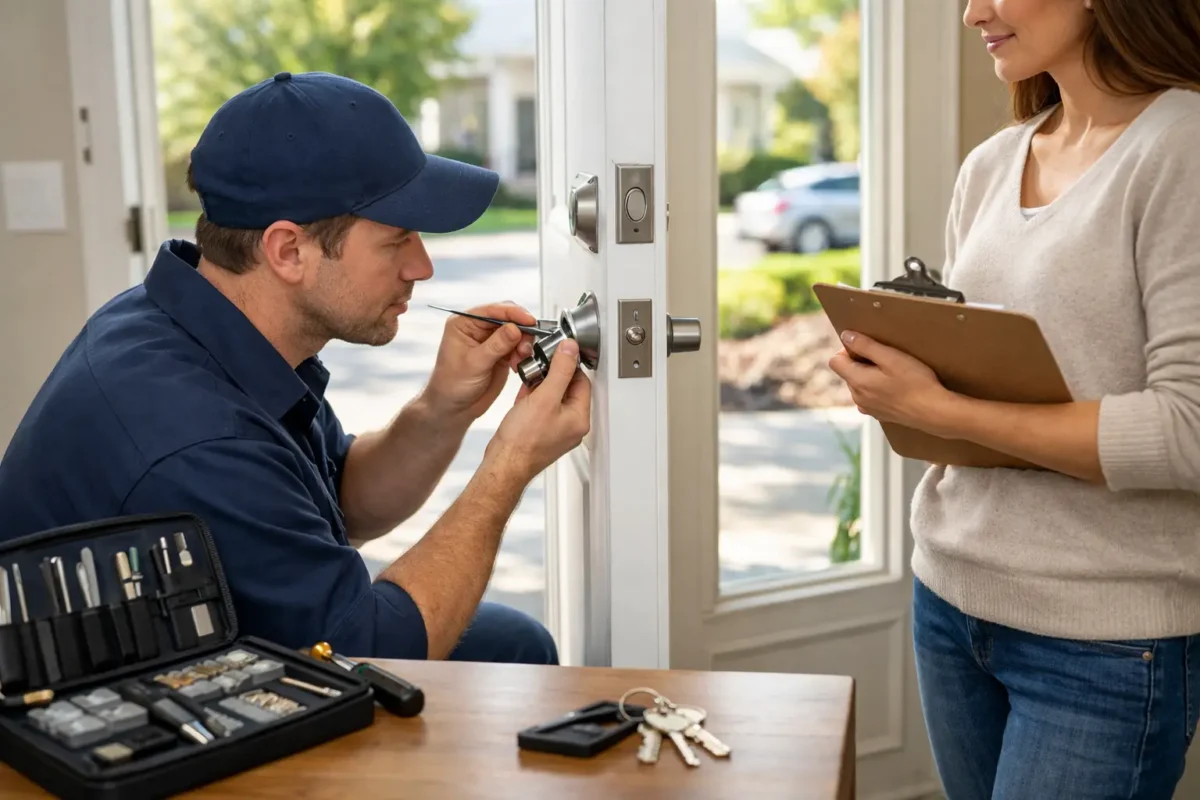
The right home lock rekey steps can quickly remove access for an old key without replacing every lock on the door. That matters after buying a house, losing a key, ending a roommate arrangement, or giving a contractor temporary access. Rekeying is often a practical security fix, but it only works when the existing lock is in good condition and compatible with the new key setup.
For homeowners in Aurora, Denver, Federal Heights, and nearby communities, the main question is usually simple: can the lock be rekeyed, or does it need to be changed? Knowing the difference helps you make the right call before a small security concern turns into a bigger problem.
What Rekeying a Home Lock Actually Does
A standard pin-tumbler lock works when the cuts on the key raise internal pins to the correct height. Rekeying changes the small pin arrangement inside the lock cylinder so the current key no longer works. The lock hardware stays on the door, but a newly cut key becomes the only key that operates it.
This is different from changing a lock. A lock change removes the current hardware and installs a new lockset, deadbolt, or cylinder. Rekeying is usually the better option when you like the existing hardware, the lock is functioning properly, and you simply need to control who has a working key.
Rekeying does not repair a worn latch, a loose deadbolt, a damaged strike plate, or a lock that sticks because the door is misaligned. It also does not make a basic lock more resistant to forced entry. If the lock is failing or the door hardware is weak, replacement or a security upgrade may be the smarter choice.
When to Rekey Your Locks
A new home is the most common reason to rekey. Even if the seller hands over every key they have, you cannot know whether a neighbor, former tenant, cleaner, dog walker, or contractor kept a copy. Rekeying puts you back in control on day one.
Lost or stolen keys are another clear reason. If the key is labeled with your address, lost near your home, or taken with other personal information, treat it as a prompt security issue. Rekeying the exterior doors removes the risk that someone could use that key later.
It also makes sense after a breakup, roommate move-out, tenant turnover, or an employee change involving a home office. In these cases, changing the key combination is often faster and less wasteful than replacing good hardware.
Home Lock Rekey Steps Before You Start
Before you take apart a lock or schedule service, make a quick check of every entrance that matters. This includes the front door, back door, garage entry door, side gate, basement door, and any door between an attached garage and the home. Many homeowners rekey the front door and forget an equally accessible side door.
Start by gathering all working keys. Test each one in every lock it is supposed to operate. If one key works in some doors but not others, note that before rekeying. A locksmith can often key compatible locks alike so one key operates multiple doors, but not every brand, keyway, or lock type can be matched.
Next, inspect the condition of the hardware. Look for a loose deadbolt, a key that must be jiggled, screws backing out, rust, or a latch that does not line up with the strike plate. These issues should be addressed during the same visit when possible. A newly rekeyed cylinder will not solve a door that does not close securely.
Finally, decide who needs keys and how many copies are appropriate. Keep one spare in a secure place or with a trusted person, rather than hiding it under a mat, planter, or fake rock. If several people need regular access, a keypad deadbolt or properly managed smart lock may reduce the number of physical keys in circulation.
The Rekeying Process, Step by Step
The exact process varies by lock brand and type, but a professional rekey generally follows a careful sequence.
1. Confirm the lock can be rekeyed
The locksmith identifies the lock type and checks whether the cylinder is serviceable. Most common residential deadbolts and knob locks can be rekeyed, but some low-cost locks, damaged cylinders, specialty hardware, and certain electronic systems may need a different solution.
2. Verify the door and lock operation
Before changing the key combination, the lock is tested from both sides. This helps separate a cylinder problem from a door alignment issue. The deadbolt should extend fully into the strike plate without binding, and the interior thumb turn should move smoothly.
3. Remove and service the cylinder
The lock cylinder is removed using the proper tools, then disassembled in a controlled way. The existing pins are replaced or rearranged to match a new key. This is precision work: the pin heights must match the cuts of the new key exactly for the plug to rotate correctly.
4. Reassemble and test with the new key
After the cylinder is reinstalled, the locksmith tests the new key repeatedly from both sides of the door. The old key should no longer operate the lock. The door is then tested while open and closed to make sure the latch and deadbolt engage properly.
5. Check every rekeyed opening
If multiple locks are being keyed alike, each one should be tested before the job is complete. This avoids the frustrating situation of discovering that a new key works at the front door but not at the garage entry when you are carrying groceries.
A do-it-yourself rekey kit can work for a homeowner who has compatible hardware, the correct kit for that brand, and confidence working with small springs and pins. The trade-off is that one misplaced pin or incorrectly installed part can leave a lock unreliable. DIY kits also do not address worn cylinders, incorrect door alignment, or compatibility issues between different lock brands.
Rekeying vs. Replacing: How to Decide
Rekey when your locks are solid, your concern is key control, and you want to keep the same appearance and hardware. It is especially useful after a move or when keys may be in the hands of people who no longer need access.
Replace the lock when it is damaged, outdated, difficult to operate, or does not provide the level of security you want. Replacement may also be appropriate if you want a keypad, smart lock, higher-security cylinder, new finish, or a deadbolt that better fits the door.
For exterior doors, the deadbolt deserves the closest attention. A quality deadbolt installed with a properly reinforced strike plate is generally more important than a decorative handle. If the door frame is weak or the screws in the strike plate are short, consider improving that hardware at the same time. Security depends on the entire opening, not only the key cylinder.
Do Not Forget These Access Points
The front door is not always the only concern. Walk around the property and think like someone who has an old key. Check garage service doors, detached garages, basement entrances, shed doors that store tools or house keys, and mailbox locks if a missing mailbox key could expose personal information.
If your home has smart locks, confirm how access codes, mobile app permissions, backup keys, and emergency keyways are managed. Removing an old code is not the same as rekeying the physical backup cylinder. A professional can help make sure both forms of access are addressed.
When to Call a Locksmith
Call a locksmith when a key has been stolen, a lock is sticking or damaged, you need multiple locks keyed alike, or you are unsure whether your hardware is compatible. This is also the right move if you are locked out, have a broken key, or need to secure the home after an urgent situation.
BS Locksmith provides mobile residential rekey service throughout the Denver Metro area, with the tools to assess the hardware on-site and complete the work correctly. A professional visit can also identify small problems, such as a misaligned strike plate or loose deadbolt, before they affect your home’s security.
Treat key control as part of regular home maintenance. Once you know exactly who has access and every exterior door closes securely, your home is easier to protect and simpler to manage.