
How to Get a Spare Car Key Made
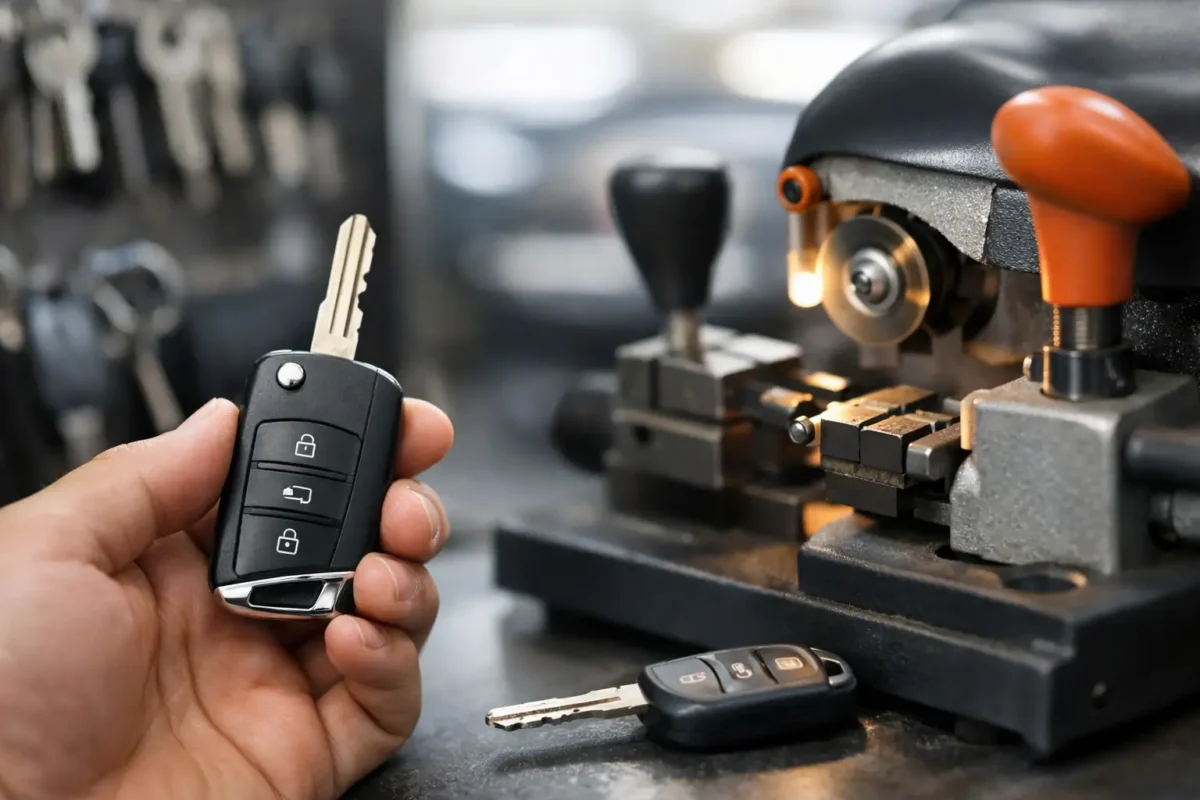
Losing your only car key usually turns a normal day into a scramble. If you’re wondering how to get a spare car key made, the fastest path depends on what kind of key your vehicle uses and whether you still have one working key in hand.
A basic metal key is one thing. A transponder key, remote head key, push-to-start fob, or laser-cut key is another. The more technology built into the key, the more likely it needs cutting, programming, or both. That is why some spare keys can be copied quickly, while others require specialized automotive locksmith equipment.
How to get a spare car key made without wasting time
Start by identifying your key type. If you have an older vehicle with a simple metal key, making a spare is usually straightforward. If your key has buttons, a plastic head, or your car starts with a push button, you are dealing with a programmed key or fob.
If you’re not sure what you have, look at how the car starts and how the key works. A plain mechanical key only turns in the ignition and doors. A transponder key looks simple but has a chip inside the head. A remote head key combines the key blade and lock-unlock buttons in one piece. A smart key or proximity fob may never go into an ignition at all.
That distinction matters because duplication is not always just about cutting the metal. Many modern vehicles will not start unless the vehicle recognizes the programmed chip or fob.
What you need before getting a spare made
Having a working key makes the process easier in most cases. It gives the locksmith or key specialist an existing pattern to copy, and on many vehicles it also helps with programming. If you do not have a working key, a spare can still often be made, but the process is different because the key code may need to be pulled and the vehicle may need more involved programming.
You should also be ready to show proof that the vehicle is yours. That typically means registration, ID, or both. A professional locksmith is not just making a key. They are helping protect your vehicle from unauthorized access.
It also helps to know your vehicle’s year, make, and model before you call. Key systems vary widely, even between trims of the same model. Giving accurate vehicle information upfront helps confirm whether your car needs a basic duplicate, a chipped key, a laser-cut key, or a programmed fob.
Where to go for a spare car key
You generally have three options: a locksmith, a dealership, or a hardware or retail key-copy service. Which one makes sense depends on the key and how quickly you need help.
For older, non-chip keys, some retail locations can cut a duplicate. That can be convenient if your vehicle uses a plain mechanical key and nothing more. The trade-off is that these services usually do not handle the full range of automotive programming needs.
A dealership can typically provide replacement keys for the vehicles it sells, especially for newer smart keys and brand-specific systems. That said, the process may involve ordering parts or coordinating programming based on the vehicle’s security requirements.
A mobile automotive locksmith is often the most practical option when convenience matters. A qualified locksmith can cut and program many car keys on-site, which is especially useful if you only have one key left, your key is damaged, or the vehicle cannot be easily moved. For drivers in the Denver metro area, that kind of mobile service can save a lot of hassle because the work happens where the car is parked instead of requiring a tow or a trip across town.
How key cutting and programming work
Key cutting shapes the blade so it matches your locks and ignition. Programming pairs the chip or fob to your vehicle’s computer. Some keys need only cutting. Others need only programming. Many modern keys need both.
A common point of confusion is the transponder key. It may look like a regular key, but inside is a chip that communicates with the car. If the metal blade is cut correctly but the chip is not programmed, the doors may open and the ignition may turn, but the engine may not start.
Laser-cut keys add another layer. These keys are thicker, have a more precise cut pattern, and often include a chip as well. They require specialized machines to cut accurately. Smart keys and proximity fobs can be even more involved because the vehicle has to recognize the electronic credential wirelessly.
This is why two spare keys for two different cars can be very different jobs. One may be a quick duplicate. The other may require diagnostic tools, code matching, and vehicle-specific programming steps.
Can you make a spare if you lost the original?
Yes, often you can. But it is usually more involved than duplicating an existing key.
When the original is gone, the locksmith or dealer cannot simply copy what you had. Instead, they may need to generate a new key from the vehicle’s lock code, VIN-related information where appropriate, or by decoding the lock. Then, if the vehicle uses a chip or fob, that new key still has to be programmed to the car.
In some cases, all existing lost keys should be removed from the vehicle’s memory for security. That way, if the missing key turns up later in the wrong hands, it cannot start the vehicle. This is not necessary in every situation, but it is worth asking about if your only key was lost rather than broken.
Should you get a basic spare or a full-featured spare?
That depends on how you use your car. Some drivers want the least expensive functional backup they can keep in a wallet, bag, or safe place at home. Others want a full spare that includes remote lock, unlock, trunk access, and panic functions.
A basic programmed key can be enough if your priority is having something that starts the car in an emergency. A full-featured fob is more convenient for daily use and for households that share one vehicle. The trade-off is simple: convenience features usually mean a more advanced key setup.
If you only have one working key right now, getting any reliable spare is better than waiting until you have none. Once you are down to zero, your options get narrower and the process usually gets more complicated.
Common problems that affect spare key duplication
Not every key can be copied cleanly from a worn original. If your current key is bent, cracked, heavily worn, or works only some of the time, duplicating that exact wear pattern can create another unreliable key. In that case, cutting a fresh key to code may produce a better result.
Battery issues can also confuse the situation. If a key fob stops locking or unlocking the doors, the battery may be dead even though the transponder still starts the car. On the other hand, if the blade works in the door but the car will not start, the chip may not be programmed or may be damaged.
There are also vehicle systems that limit easy self-programming. Some cars allow owners to program additional keys if they already have one or two working keys. Others require professional tools no matter what. It depends on the manufacturer and model year.
How to choose the right help
Look for someone who handles automotive locksmith work specifically, not just house keys and lockouts. Car key replacement today can involve immobilizer systems, onboard diagnostics, remote programming, and high-security key cutting. You want a service provider who works with those systems regularly.
Ask whether they can make a key for your exact year, make, and model, whether programming is included if needed, and whether they can help if you have only one key left or none at all. Clear answers matter. So does proof of professionalism and the ability to verify ownership before the work begins.
For many drivers, a mobile locksmith is the most practical fit because the service comes to the vehicle. Companies like BS Locksmith handle this type of on-site work for drivers who need a spare key, replacement key, or fob programming without adding another errand to the day.
A smarter time to make a spare key
The best time to make a spare is before it becomes urgent. If your current key is your only key, or if the shell is cracked, the buttons are failing, or the blade is worn, treat that as a warning sign. A spare made now gives you options later.
Store it somewhere safe but accessible, not inside the vehicle. If multiple people drive the car, make sure the backup key is easy to locate when needed. One extra key can save you from a much bigger disruption, and that is usually reason enough to stop putting it off.