
How to Rekey Door Locks After Moving or Lost Keys
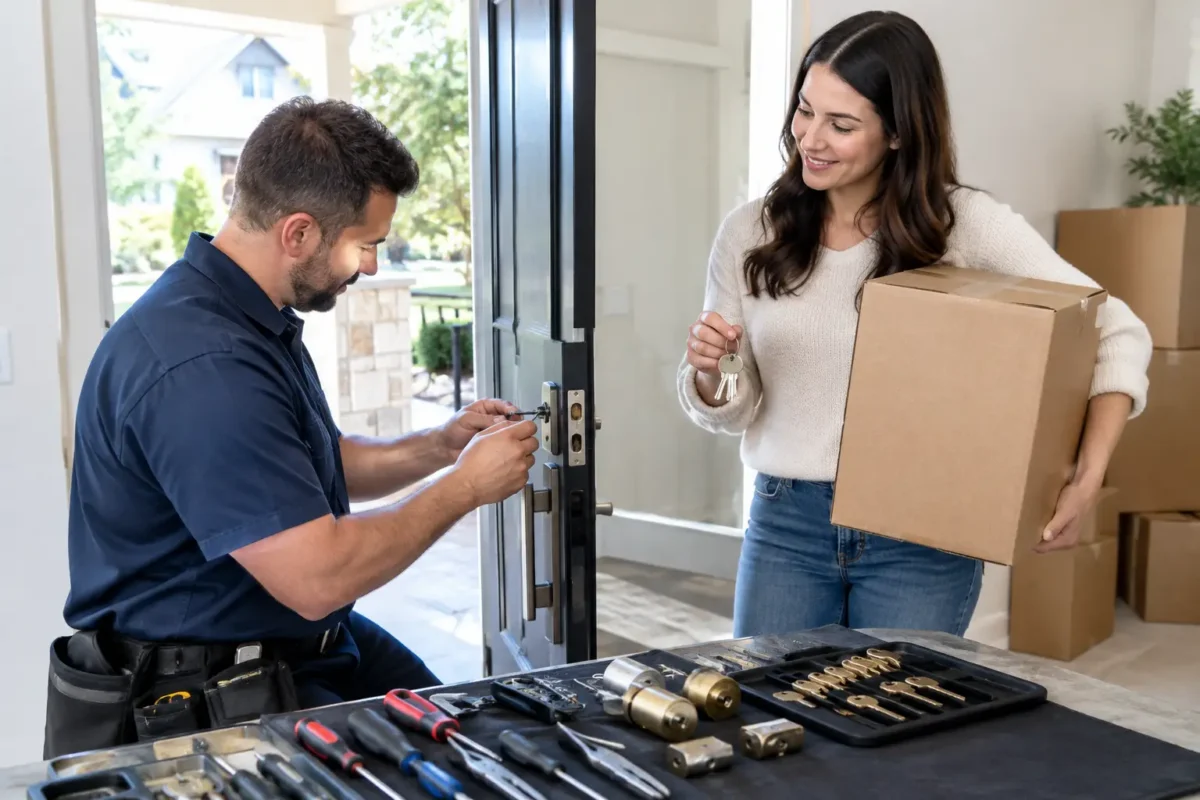
A lost house key is not just an inconvenience. If it has an address tag, was taken with a wallet, or may be in the hands of a former tenant, it can create a real security concern. Knowing how to rekey door locks helps you make a smart decision quickly: keep the hardware you trust, but make old keys useless.
Rekeying is often one of the most practical ways to secure a home, rental property, office, or storefront after keys change hands. It is usually less disruptive than replacing every lock, but it is not the right answer for every door. The condition of the lock, the type of keyway, and the reason for the security update all matter.
What Rekeying a Lock Actually Does
A keyed lock has a cylinder containing small pins. When the correct key is inserted, its cuts raise those pins to the proper height so the cylinder can turn. Rekeying changes the pin configuration inside that cylinder. Once it is changed, the old key no longer lines up the pins and will not operate the lock.
The exterior lock hardware, such as the knob, lever, or deadbolt, stays in place. That is the main difference between rekeying and changing a lock. A lock change replaces the hardware. A rekey keeps the hardware but changes the key that operates it.
For a homeowner, this can mean one new key for the front door, back door, garage entry, and side gate, assuming the locks are compatible. For a property manager, it can mean restoring control between tenants without replacing a full set of working locks. For a business, it can be part of a planned key-control update after staffing changes.
When Rekeying Is the Right Move
Rekeying works best when the lock is in good working condition and you are concerned about who may have a copy of the current key. Common situations include moving into a new house, buying a commercial property, ending a lease, losing keys, or giving keys to contractors, caregivers, employees, or former roommates.
It is also useful when you want to simplify your key ring. If several compatible locks use different keys, a locksmith may be able to rekey them to one key. This is convenient, but there is a trade-off: one lost key may then open more doors. Some homeowners prefer one key for exterior doors and separate keys for sheds, gates, or detached garages.
Rekeying is not a repair for worn-out or damaged hardware. If the key sticks, the deadbolt will not extend fully, the latch is loose, or the lock has been forced, the issue may be the lock body, strike plate, door alignment, or frame. In those cases, replacing or repairing the hardware can provide better security and reliability.
How to Rekey Door Locks: The Basic Process
Rekeying is a precise job, not simply cutting a new key. The exact process varies by lock brand and lock type, but the basic work follows the same pattern.
First, identify every door that needs to be secured. Include exterior entry doors, garage access doors, storage rooms, mailbox locks, and any interior doors that protect sensitive records or equipment. Decide whether all doors should use one key or whether some areas need separate access.
Next, confirm that the locks can be rekeyed. Most standard residential deadbolts and keyed knobs or levers can be serviced if they are in decent condition. Some low-cost locks, specialty locks, electronic locks, and older hardware may require different parts or replacement. Smart locks with a physical key cylinder may be rekeyable, but the model determines what is possible.
The lock cylinder is then removed from the hardware. A locksmith takes apart the cylinder, removes the existing bottom pins, and installs a new set matched to a new key. Springs, top pins, and the cylinder plug must be handled carefully. One misplaced pin or spring can leave the lock jammed or operating unpredictably.
After reassembly, the lock is tested several times from both sides of the door. The key should insert and turn smoothly, the latch or bolt should extend fully, and the door should lock without pushing, lifting, or pulling it into position. This last step matters. A correctly pinned lock can still perform poorly if the door is out of alignment.
Why Rekeying Kits Can Be Tricky
DIY rekeying kits are available for certain lock brands, and they can work for someone who has the correct kit, compatible lock, and patience for small parts. However, a kit is not universal. Pin sizes, keyways, cylinder designs, and rekey procedures differ by manufacturer.
The most common DIY problem is not the pins themselves. It is losing a spring, using the wrong pin depth, reassembling the cylinder incorrectly, or failing to test the lock before closing the door. If a lock jams after the door is shut, a small project can turn into a lockout.
For one recently installed, compatible lock, a kit may be worth considering. For multiple doors, older locks, commercial hardware, or a situation involving lost keys, professional rekeying is usually the more dependable route. A mobile locksmith can also spot problems such as weak deadbolts, loose strike plates, damaged door frames, and locks that should not remain in service.
Rekeying vs. Replacing a Lock
Choose rekeying when the hardware is sound, you want prior keys disabled, and you are satisfied with the lock’s current level of security. It is especially practical after moving or changing tenants because it addresses the key-control problem directly.
Choose lock replacement when the hardware is damaged, outdated, difficult to operate, or not suitable for the door. Replacement may also make more sense if you want a higher-security deadbolt, a keypad lock, a smart lock, a lever that better fits accessibility needs, or a commercial-grade access control solution.
There are situations where both services make sense. For example, a homeowner may replace a weak front-door deadbolt while rekeying the good locks on other exterior doors. A business may upgrade its main entrance to access control while rekeying mechanical locks on storage rooms and secondary exits.
Key Control Matters as Much as the Lock
A newly rekeyed lock only improves security if you control the new keys. Make a clear decision about who needs a copy and avoid handing out extras without tracking them. This is particularly important for rental properties, offices, and shared homes.
Keep a spare key in a controlled location rather than under a mat, planter, or fake rock near the entrance. If you need emergency access, consider leaving a spare with a trusted nearby person or using a secure lockbox placed where it is not obvious. A keypad or smart lock can also reduce the number of physical keys in circulation, though batteries, codes, and backup access should be managed carefully.
For businesses, key control should include a simple record of who has each key and which doors it opens. When an employee leaves or a key goes missing, prompt rekeying can prevent uncertainty from becoming a security gap.
When to Call a Locksmith
Call a locksmith when keys have been stolen, a lock is damaged, you need several locks matched to one key, or you are unsure whether existing hardware is worth keeping. Professional help is also the safer option for high-security cylinders, commercial doors, mailbox locks, restricted key systems, and smart-lock installations.
For homeowners and businesses in Aurora, Federal Heights, Denver, and nearby communities, BS Locksmith can rekey locks on site and help determine whether rekeying, repair, or replacement best fits the door and the situation. The goal is simple: restore control of access without making the problem more complicated than it needs to be.
If a key may be out of your control, do not wait for proof that someone tried to use it. Rekeying the lock gives you a clean starting point and lets you hand out new keys with confidence.