
How to Spot Lock Tampering at Home or Work
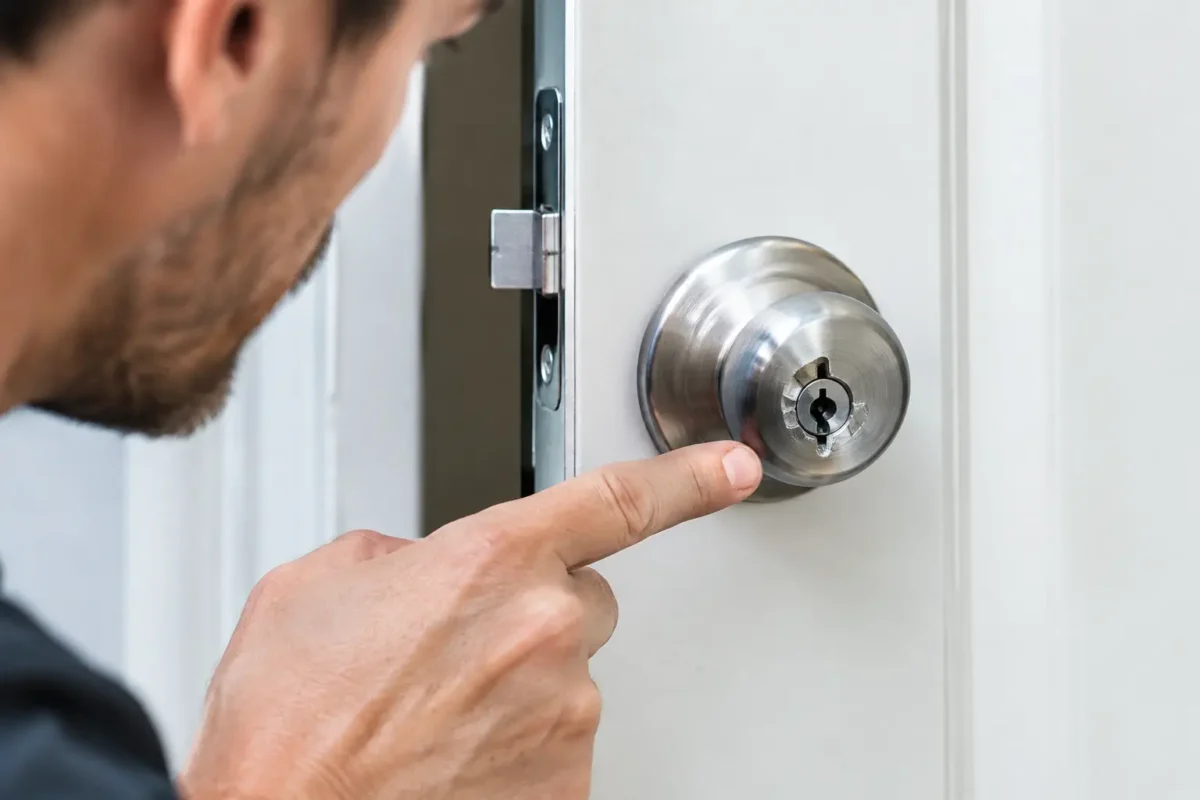
A lock does not have to be completely broken to be a security concern. A key that suddenly sticks, fresh scratches around a keyway, or a door that no longer latches the same way can all be signs that someone has tried to interfere with it. Knowing how to spot lock tampering gives you a chance to secure your home, business, vehicle, or rental property before a small issue becomes a bigger one.
The goal is not to assume the worst every time a lock feels different. Colorado weather, normal wear, a loose door hinge, and an old key can cause similar symptoms. What matters is recognizing changes that are unusual, recent, and hard to explain.
How to Spot Lock Tampering Before It Becomes a Bigger Problem
Start by thinking about what is normal for the lock. Most people use their front door, office entry, mailbox, or car door often enough to notice when the key turns differently or the handle has new movement. A lock that worked smoothly yesterday but now feels rough deserves a closer look.
Tampering can leave obvious damage, but it can also leave subtle evidence. Check the lock in daylight and compare it with other exterior locks on the property when possible. If one lock looks noticeably more worn, bent, marked, or misaligned than the others, do not ignore it.
A single sign may have an innocent explanation. Several signs together, especially after a suspicious event or attempted break-in, are reason to act promptly.
Fresh scratches around the keyhole or handle
New scratches around the keyway, faceplate, knob, deadbolt, or strike plate are one of the clearest warning signs. Look for shiny metal where the finish has been rubbed away, chipped paint near the hardware, or gouges that do not match normal key use.
Light wear directly around a keyhole is common over time. Random marks, deeper scratches, or damage extending beyond the keyway are more concerning. Pay attention if the marks appear suddenly or if they are on a door that is rarely used.
A key that sticks, catches, or will not turn normally
A lock cylinder can become difficult to use because of age, dirt, or cold weather. Still, a key that suddenly resists turning, goes in farther than usual, or will not insert all the way may indicate internal damage.
Do not force the key. Excessive pressure can snap it inside the cylinder and leave you with both a damaged lock and a lockout. Try a spare key if you have one. If the spare has the same problem, the issue is likely the lock or the door alignment rather than the key itself.
Loose, crooked, or damaged lock hardware
Check whether the deadbolt, lever, knob, or exterior trim sits flat against the door. Hardware that feels loose, shifts when touched, hangs at an angle, or has missing screws should be inspected. A damaged lock may still open and close, but it may no longer provide the protection you expect.
Also look at the strike plate on the door frame. Cracked wood, bent metal, loose screws, or fresh splitting around the frame can suggest that force was applied to the door. This is especially important for homes with wood frames and commercial doors that see frequent traffic.
A deadbolt that does not extend or retract cleanly
When you turn the thumb turn or key, the bolt should move smoothly and fully into the strike plate. If it catches, only partially extends, or needs the door lifted or pushed to lock, do not assume the lock itself is the only issue.
Sometimes seasonal movement or loose hinges causes alignment trouble. Other times, a strike plate or lock has been disturbed. The practical concern is the same: a deadbolt that does not fully engage is not doing its job. Have the door and lock checked rather than relying on a partial lock.
Metal shavings, broken pieces, or an altered keyway
Small metal fragments around a lock, a bent keyway cover, or pieces of hardware on the ground can be signs of interference. Look closely at the opening where the key enters. If it appears crushed, widened, blocked, or unusually dark from debris, stop trying to use it.
Avoid spraying random lubricants or inserting objects to clear the cylinder. That can push debris farther inside or make it harder to determine what caused the problem. A professional locksmith can assess whether the lock can be repaired, rekeyed, or should be replaced.
Check More Than the Main Door
Tampering is not always focused on the front entry. Walk the property and inspect less visible access points, including side doors, garage entry doors, basement doors, patio doors, gates, mailbox locks, storage rooms, and utility areas.
For property managers and business owners, check employee entrances, rear exits, shared storage spaces, and doors leading to offices with records, inventory, or equipment. An exterior lock may show no damage while an interior office lock, cabinet lock, or access-control reader has been disturbed.
Vehicle owners should watch for a damaged door handle, scratches around the lock cylinder, a key fob that suddenly does not work, or a door that will not latch correctly. These issues can result from ordinary wear or a failed component, but they should be checked if they appear after suspicious activity around the vehicle.
What to Do If You Find Possible Tampering
If you believe someone has tried to enter your property, prioritize safety over investigation. Do not touch or clean obvious damage if a break-in may have occurred. If there is an immediate threat, signs that someone may still be inside, or a crime in progress, contact local law enforcement first.
Once the property is safe, take clear photos of the lock, door frame, surrounding area, and any damaged hardware. Note when you last used the lock normally and whether anyone else has a key, code, fob, or access credential. This information can help identify whether the problem is tampering, a mechanical failure, or an access-control issue.
Then secure the entry. Depending on the condition of the hardware, that may mean repairing or replacing the lock, rekeying it so old keys no longer work, reinforcing the strike plate, adjusting the door, or changing access codes and credentials. If keys have been lost, copied without permission, or left with former tenants or employees, rekeying is often the practical first step even when there is no visible damage.
When a Lock Problem Is Probably Normal Wear
Not every difficult lock is evidence of a security issue. Cold temperatures can affect door alignment, and a worn key can cause sticking. Doors may also swell, shift, or sag over time, especially after changes in weather. If the lock has gradually become harder to use over months rather than changing overnight, normal wear is more likely.
Even so, a lock that is unreliable should not be left alone. A worn lock can fail at the worst time, including when you are trying to leave for work, close a business, or secure your home at night. A quick inspection can identify whether the solution is a new key, an adjustment, rekeying, or replacement hardware.
Prevent Future Lock Tampering
Good security is usually built from simple, well-maintained layers. Keep exterior doors properly aligned, replace damaged weatherstripping that prevents a door from closing correctly, and make sure deadbolts fully engage. Avoid leaving spare keys in obvious places, and collect keys from former tenants, employees, contractors, or roommates when access changes.
For businesses, consider who currently has keys, fobs, codes, and app access. A lock may be physically intact while access is still too widely shared. Rekeying after staff turnover and reviewing access permissions can reduce that risk without replacing every piece of hardware.
Smart locks and access-control systems can add convenience, but they still need regular attention. Change default or outdated codes, remove old users, keep backup access methods available, and make sure the door itself closes securely. Technology cannot compensate for a loose frame or a deadbolt that does not latch.
If a lock feels different or shows fresh damage, trust that observation and have it checked. For homeowners, drivers, property managers, and businesses in the Denver Metro area, BS Locksmith can inspect the problem on-site and help restore secure, reliable access when it matters.