
Install a Keypad Door Lock at Your Home
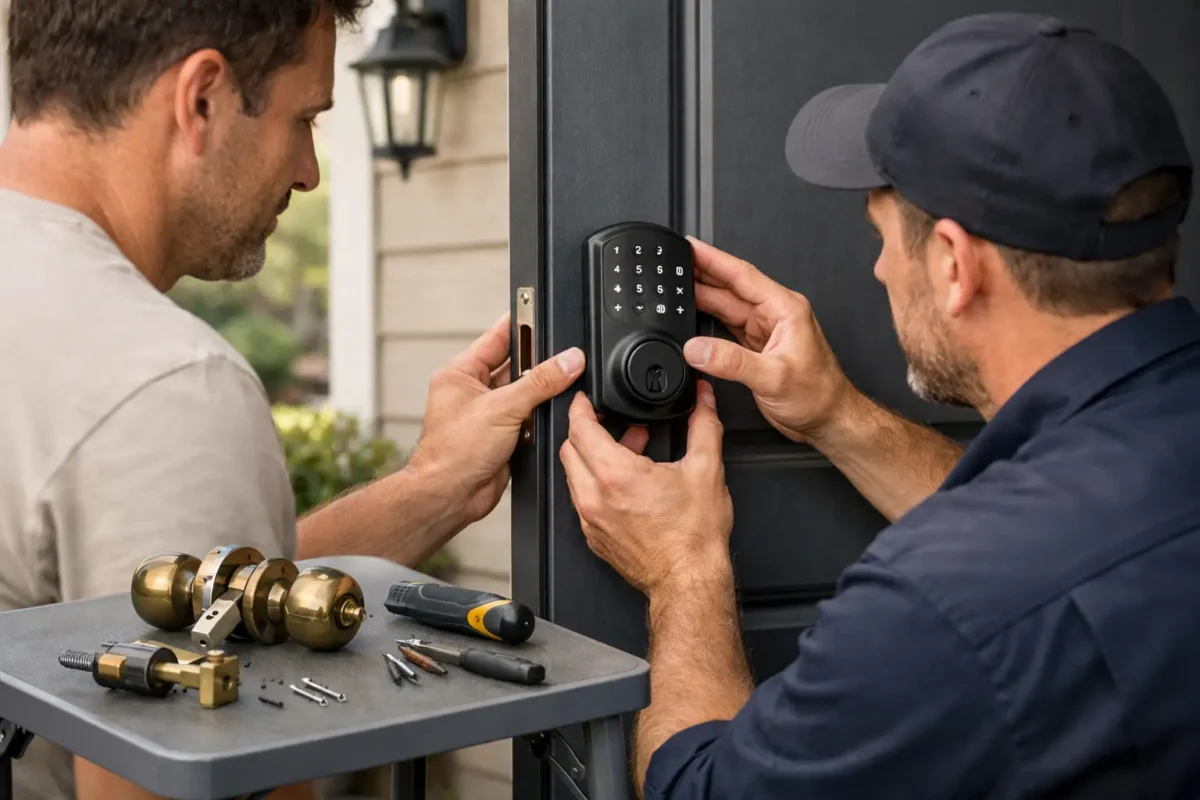
A keypad lock is a practical upgrade when spare keys keep disappearing, kids need access after school, or you want to stop hiding a key under the mat. But the installation matters as much as the lock itself. A keypad lock that is mounted crooked, fitted to the wrong door thickness, or programmed with an obvious code can create a daily headache instead of better security.
Before you install a keypad door lock, take a close look at the door, the existing hardware, and how the household will use it. Most residential keypad deadbolts are designed for a straightforward replacement, but not every door is a simple swap. A few measurements and careful setup steps can prevent a lock that sticks, drains batteries early, or fails to latch correctly.
Start With the Door, Not the Lock Box
The first question is whether the keypad lock fits your door. Check the door thickness, the backset measurement, and the size of the holes already drilled for the deadbolt. The backset is the distance from the edge of the door to the center of the lock hole. Many residential locks fit common measurements, but you should always confirm the manufacturer’s requirements before opening the package.
Also inspect the condition of the door and frame. A keypad deadbolt still relies on a properly aligned bolt and strike plate. If the deadbolt scrapes the frame, needs a hard push to lock, or only works when you lift the door handle, solve that alignment issue first. Electronic components do not fix a sagging door or a damaged jamb.
For exterior doors, make sure the lock is intended for outdoor use and is compatible with the weather conditions it will face. Colorado’s temperature swings, snow, and direct sun can be hard on hardware. A protected front entry may have different needs than a side door exposed to wind and moisture.
Choose the Right Type of Keypad Lock
Not all keypad locks work the same way. A basic electronic keypad deadbolt lets users enter a code and may include a physical backup key. This is often a good fit for a home where convenience is the priority and the existing door already has a separate handle below the deadbolt.
A keyless deadbolt removes the traditional key cylinder entirely. That can reduce concerns about lost keys, but it makes battery backup and emergency access planning more important. Some models use an external battery contact point for emergency power, while others have a mechanical override.
Smart keypad locks add app controls, activity logs, remote management, and temporary codes. These features can be useful for rental properties, busy households, or homeowners who want to let in a dog walker or contractor without handing out a key. The trade-off is that smart locks require more setup, regular app updates, and attention to battery alerts. If you do not need remote access, a dependable keypad deadbolt may be the better, simpler choice.
For a business, shared office, or multifamily property, a consumer keypad lock may not provide enough control. Commercial doors may require code-compliant hardware, panic exit devices, door closers, or managed access control. That is a situation where professional evaluation is the safer route.
How to Install a Keypad Door Lock Correctly
Start by reading the specific installation instructions that came with the lock. Even locks that look similar can have different cable connections, handing procedures, and programming sequences. Keep the door open throughout the installation so you cannot accidentally lock yourself out while testing.
Remove the old deadbolt by taking out the screws on the interior side, separating the two halves of the lock, and sliding out the bolt from the door edge. Inspect the existing holes once the old hardware is removed. Clean out debris and make sure the bolt opening is not split, enlarged, or blocked by old paint.
Install the new latch or deadbolt mechanism in the door edge with the word “UP” facing the correct direction, if marked. The bolt should slide in and out freely by hand before you attach the keypad. Do not force the latch into a hole that is too small. Forcing parts can bend the bolt or prevent it from fully extending.
Next, feed the keypad assembly’s cable through the door hole without pinching or twisting it. Hold the exterior keypad straight and level while attaching the interior mounting plate. This is where many do-it-yourself installations go wrong: overtightened screws can bind the mechanism, while loose screws can leave the keypad shifting every time it is used.
Connect the cable exactly as directed, attach the interior assembly, and insert fresh batteries only after the mechanical parts are secured. Before closing the door, test the thumb turn and keypad several times. Confirm that the bolt extends fully and retracts without resistance. Then test it again with the door closed. The deadbolt should enter the strike plate cleanly without needing to shoulder the door into place.
Check the Strike Plate Alignment
A deadbolt should extend deep enough into the frame to provide meaningful resistance, not barely catch on the edge of the strike plate. If it hits metal, stops short, or makes a grinding sound, the strike opening may need adjustment.
Small alignment corrections are common, especially on older homes where doors shift with seasonal temperature and humidity changes. However, do not cut away large sections of the frame just to make the lock work. A weak or damaged jamb can reduce the security of an otherwise good deadbolt. Reinforcing the strike area with longer screws that reach the wall framing can also improve the installation when appropriate for the door and frame.
Set Codes That Work for Your Household
Once the lock operates properly, program the master code and user codes. Avoid using birthdays, addresses, repeated numbers, or anything a neighbor could guess after a quick conversation. A code should be easy enough for authorized users to remember but not predictable.
Give regular users their own codes when the lock supports multiple users. This makes it easier to remove access for a former roommate, house sitter, employee, or contractor without changing everyone else’s code. Keep the programming instructions somewhere secure, not taped inside a nearby cabinet or left in plain view.
If your lock includes auto-lock, test the timing before relying on it. Auto-lock is useful for busy families, but it can be inconvenient when someone is carrying groceries, taking out trash, or stepping outside briefly. Choose a delay that fits the household’s routine, and make sure everyone understands how the lock behaves.
Battery maintenance is part of owning an electronic lock. Use the battery type recommended by the manufacturer, replace batteries when alerts begin, and avoid mixing old and new batteries. A low-battery warning is not something to ignore. Set a calendar reminder to check the lock periodically, especially before travel or a long absence.
When Professional Installation Makes More Sense
A confident homeowner can often install a standard keypad deadbolt on a properly prepared door. But there are times when calling a locksmith is the more practical choice. Doors with damaged wood, misaligned frames, unusual hardware, decorative glass panels, narrow stiles, or previous drilling mistakes need more than a quick hardware swap.
Professional help is also worthwhile if you are replacing a lock after a break-in, moving into a new home, managing several access codes, or upgrading a rental property. The goal is not just to mount the keypad. It is to make sure the door secures correctly, existing keys are addressed, and the new hardware works reliably every day.
For Denver-area homeowners and property managers, BS Locksmith can install and set up keypad and smart locks on site, while checking the door alignment and hardware fit at the same time. That can save time when a lock upgrade turns into a door repair or rekeying need.
A keypad lock should make coming home easier without making security an afterthought. Test it regularly, keep emergency access in mind, and deal with sticking or low-battery warnings before they become a locked-out problem.