
Should You Change Locks After Break In?
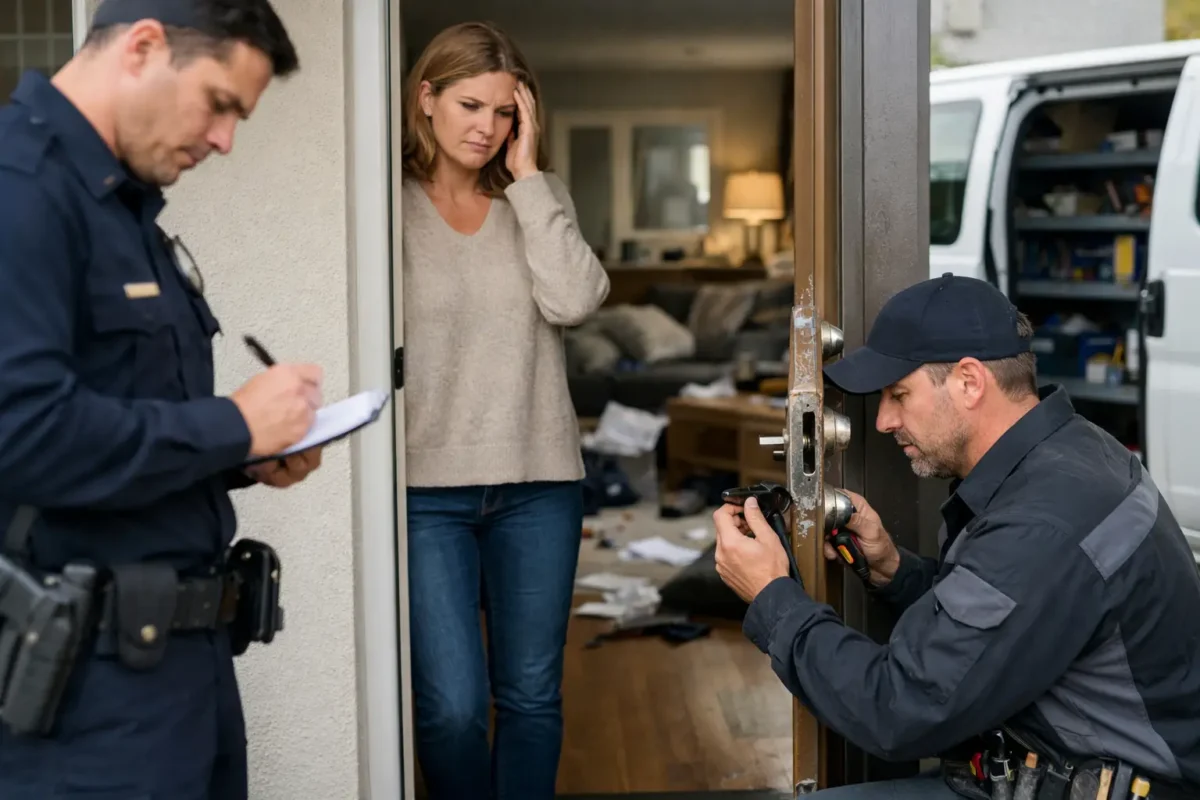
The front door is splintered, the frame is cracked, and your first thought is simple – how do I make sure this does not happen again tonight? In that moment, many homeowners ask whether they should change locks after break in damage or if a faster, less expensive fix will do the job.
The short answer is that you often should address the locks right away, but the right fix depends on how the intruder got in, what hardware was damaged, and whether your keys or access credentials may have been compromised. Sometimes a full lock change is the smartest move. Sometimes rekeying gives you the security you need without replacing every piece of hardware. What matters most is not guessing.
When to change locks after break in
If the lock itself was forced, cracked, bent, drilled, or no longer works smoothly, replacing it is usually the right call. A damaged lock can fail even if it still turns. After a break-in, you do not want to trust a lock that has already been stressed or partially destroyed.
Another clear reason to change the lock is when the intruder may have taken keys. That includes house keys, office keys, mailbox keys, garage entry keys, or even a key ring stolen from a purse or vehicle. If someone now has a working key to the property, the issue is not just visible damage. The issue is ongoing access.
There is also a third situation people overlook. If your existing hardware was already weak before the break-in, replacing it may be a better long-term move than putting a quick fix on old locks. A basic lock on a weak door can leave you in the same position again. In that case, changing the lock should be part of a broader security repair, not the entire plan.
When rekeying may be enough
Not every break-in means every lock needs to be replaced. If the lock body is still in good condition and the problem is key control, rekeying can solve that. Rekeying changes the internal pins so old keys no longer work. You keep the existing hardware, but previous keys are useless.
This option often makes sense if a key was stolen but the lock was not physically damaged. It can also be practical for homeowners, landlords, and property managers who want to secure multiple doors without replacing all the hardware at once.
That said, rekeying is not a cure-all. If the deadbolt is loose, the latch is compromised, or the strike area was torn up during forced entry, rekeying alone does not fix the weak point. It is only the right answer when the hardware itself is still sound.
The lock is only part of the problem
A lot of people focus on the cylinder and forget the rest of the opening. After a break-in, the door frame, strike plate, hinges, latch alignment, and surrounding trim need attention too. If the intruder kicked in the door, the lock may not have been the true failure point. The frame may have split first.
This is why a proper assessment matters. A new deadbolt on a damaged frame does not restore real security. The door should close correctly, latch fully, and hold firmly under pressure. If the strike plate screws are short or the frame wood is fractured, those issues need repair at the same time.
For some homes and businesses, this is also the moment to upgrade. A stronger deadbolt, reinforced strike plate, better door hardware, or a smart lock with controlled access can make more sense than reinstalling the same setup that just failed.
Signs you need more than a basic lock change
There are times when replacing one lock is too narrow a fix. If you have multiple exterior doors keyed alike, and one key is missing, all matching locks may need rekeying or replacement. If a garage entry door shares access with the house, that should be included too.
For businesses, the stakes can be higher. If employee keys are unaccounted for, if a former worker may still have access, or if the break-in exposed weak back-door hardware, a broader reset may be necessary. That can include rekeying multiple doors, changing panic hardware, or moving to restricted key systems or access control.
Homes with short-term rentals, older locks, or frequent key sharing also deserve a closer look. After a security incident, it is worth asking not only what was damaged, but who may still have access and how easy it would be to copy a key.
What to do immediately after a break-in
First, make sure law enforcement has cleared the property if needed and that everyone is safe. Once that is done, secure the entry points as quickly as possible. If a door will not lock, if a lock is hanging loose, or if broken hardware leaves the property exposed, emergency locksmith service can restore basic security fast.
Take photos of the damage before repairs begin if you need them for insurance or property records. Then focus on access points in order of risk. Exterior doors come first, then connected spaces like garages, side entries, mailboxes, and office storage areas.
If keys, key fobs, access cards, or garage remotes are missing, mention that right away. Physical damage is only one side of the problem. Lost credentials can keep the risk active even after a visible repair.
How a locksmith decides between rekeying and replacement
A good locksmith looks at three things. First is condition – is the lock structurally sound and reliable? Second is security – does the current setup still make sense for the property? Third is control – could someone still get in with an old key, stolen key, copied key, or programmed device?
If the hardware is damaged, replacement is usually the answer. If the hardware is fine but access has been compromised, rekeying may be enough. If the hardware is outdated or poorly matched to the door, an upgrade may be the smarter move.
This is where experience matters. A rushed fix can get the door closed for the night, but the better repair is the one that solves the actual weakness. For one property that means a clean rekey. For another, it means replacing the lock, reinforcing the frame, and updating other entry points at the same time.
Smart locks, deadbolts, and upgrades after a break-in
After a break-in, many property owners ask if they should switch to smart locks. Sometimes that makes sense, especially if key sharing has been a problem or if you want better control over who can enter and when. Smart locks can be convenient and can reduce the risk tied to lost physical keys.
But they are not automatically better for every door. The quality of installation, the strength of the door and frame, and the type of property all matter. A strong mechanical deadbolt on a reinforced frame can be a very solid choice. In some cases, the best setup is a combination of upgraded mechanical hardware and controlled electronic access.
For small businesses, this can be a good time to think beyond one damaged lock. If staff turnover is frequent or multiple people need different levels of access, access control may be more practical than constantly changing keys.
Common mistakes after a break-in
One mistake is replacing only the most visibly damaged lock and ignoring other access points. Another is assuming the cheapest short-term fix is the safest one. A lock that technically works is not always a lock you should trust.
People also delay repairs because the door can still be pushed shut. That can leave the property vulnerable at exactly the time security matters most. If the lock sticks, the latch does not catch cleanly, or the frame is soft or cracked, those are not minor issues.
The last mistake is trying to decide based on the lock alone. Break-ins expose system-wide problems. The right repair looks at the door, the hardware, the keys, and the overall access situation together.
The right answer depends on how entry happened
If someone kicked in the door, focus on structural repair along with the lock. If a key was stolen, rekeying or changing multiple locks may be needed. If the lock was drilled or pried apart, replacement is the safer move. If you run a business and access is harder to track, it may be time for a wider security update.
That is why there is no one-size-fits-all answer to whether you should change locks after break in events. You need the fix that closes the actual gap, not just the one that looks repaired from the outside.
When your security has been shaken, the best next step is simple: get the doors checked, fix what failed, and make sure the people who should have access are the only ones who do.