
Locked Out of House What to Do Fast
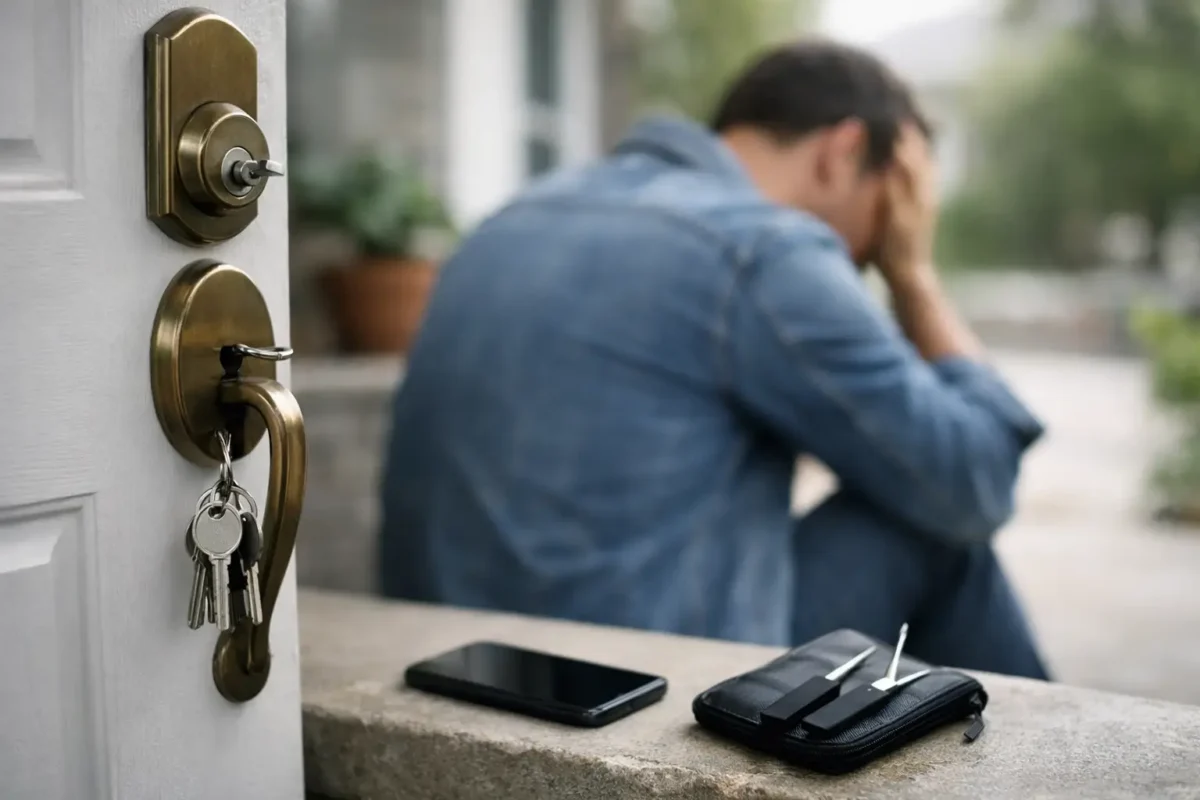
That sinking feeling usually hits the second the door clicks shut. If you are searching locked out of house what to do, the first priority is simple: stay calm and avoid making the problem worse. A rushed decision can turn a basic lockout into a broken window, damaged lock, or a security issue you did not have five minutes ago.
Most house lockouts are fixable without drama, but the right next step depends on why you are locked out in the first place. Maybe your keys are inside. Maybe the key snapped. Maybe the lock is jammed, the smart lock battery died, or the door closed behind you while you grabbed the mail. The cause matters because not every lockout should be handled the same way.
Locked out of house what to do first
Start with the safest and least destructive option. Check every accessible entry point you are authorized to use. That means the front door, back door, side door, garage entry, or a first-floor window that is actually unlocked and easy to reach safely. This is not the time to climb onto a roof, force a second-story window, or try anything that could lead to injury.
If someone else in your household has a key, call them before trying anything more aggressive. The same goes for a landlord, property manager, trusted neighbor, or family member who has an approved spare. In apartment buildings or managed properties, there may be a formal lockout process, and following it can save time and prevent damage.
Take a breath and look at the lock itself. Is the key simply inside the house, or is the hardware failing? If the deadbolt is misaligned, the latch is stuck, or the key turns halfway and stops, you may be dealing with a lock problem rather than a basic lockout. That difference matters because forcing the door can make a repair much more expensive than it needs to be.
What not to do when you are locked out
A lot of online advice makes lockouts sound easier than they are. The truth is that household locks vary, and what works on a simple privacy lock does not work on a properly installed deadbolt. Trying random tricks from a video can damage the lock, bend the door frame, or leave your home less secure afterward.
Avoid using credit cards on doors with deadbolts. It usually does not work, and it can damage both the card and the weather stripping. Skip improvised tools like screwdrivers, coat hangers, butter knives, or anything else that can gouge the door or leave the lock jammed. Breaking a window is also a last resort with real downsides. You are not just dealing with glass cleanup. You may also leave your home exposed until repairs are made.
Another mistake is forgetting about pets, children, or something cooking inside. If there is an immediate safety issue, treat it like one. If a child is inside alone, a vulnerable adult cannot open the door, a pet is in distress, or there is active fire risk, call emergency services first. A locksmith helps with access, but safety comes before property.
When a locksmith makes the most sense
If you have checked safe entry options and the door still will not open, calling a professional locksmith is usually the fastest clean fix. This is especially true if the key is lost, the key broke in the lock, the deadbolt is engaged, the lock is damaged, or the home has a smart lock that is not responding.
A qualified mobile locksmith can usually open the door with less risk to the lock, frame, and hardware than a do-it-yourself attempt. In many cases, the goal is not just getting you back inside. It is getting you back inside without creating a second problem.
That matters for homeowners, renters, and property managers alike. If the lockout happened because of a worn cylinder, bad alignment, or a failing latch, opening the door is only part of the job. The hardware may need adjustment, rekeying, or replacement so the same problem does not happen again next week.
If your keys are lost, think about security
Being locked out because your keys are inside is frustrating. Being locked out because your keys are missing is different. If you are not sure where the keys went, or you believe they may have been stolen, home security becomes the next priority.
In that situation, getting the door open is step one. After that, consider whether the locks should be rekeyed or changed. Rekeying is often the practical move when the existing hardware is still in good shape and you want the old key to stop working. Changing the lock may make more sense if the lock is outdated, damaged, or due for an upgrade anyway.
This is one of those it depends situations. If you recently moved into a home and then got locked out, rekeying is often smart even if the old key turns up later. You never really know how many copies of existing keys are still out there.
Smart lock lockouts need a different approach
Not every house lockout involves a metal key. Smart locks can fail too, and the fix depends on the setup. Sometimes the battery died. Sometimes the keypad is working but the motor is not. Sometimes the app is not connecting, or the lock is out of alignment and cannot fully retract.
Before assuming the lock is broken, check the obvious. Replace the batteries if the model allows it from the outside. Make sure the door is not under pressure from swelling, weather changes, or frame movement. If the smart lock has a backup keyway, that may be the quickest path in.
If none of that works, avoid forcing electronic hardware. Smart locks are convenient, but they add components that can be damaged if handled roughly. A locksmith with experience in residential hardware can help determine whether the issue is power, installation, alignment, or complete lock failure.
Renters and property managers have extra considerations
If you rent, your lease may spell out what to do during a lockout. Some tenants are allowed to call a locksmith directly. Others need to contact management first unless there is an emergency. It is worth checking because unauthorized lock changes can create headaches later.
For property managers, lockouts are rarely just about getting one person back inside. They can point to bigger issues like worn hardware, poor key control, or frequent turnover without rekeying. If a unit has repeated lockout calls, that is usually a sign to inspect the lock, keys, and door alignment instead of treating each incident as random bad luck.
How to avoid another house lockout
Once you are back inside, use the situation to fix the weak point that caused it. A spare key in a secure, intentional place can save a lot of stress, but choose that place carefully. Hiding a key under the mat or above the door frame is still common and still a bad idea.
A better option may be giving a spare to someone you trust or using a proper lockbox if that fits your setup. For some households, a keypad deadbolt or smart lock is the better answer because it removes the key problem altogether. For others, a standard lock with fresh keys and a rekey service is simpler and more reliable.
It also helps to pay attention to warning signs. If the key sticks, the deadbolt drags, the latch catches, or the door needs a hard shove to close, do not ignore it. Locks usually give you hints before they fail completely. A small repair now is easier than a lockout later.
The best response is calm and practical
When people look up locked out of house what to do, they usually want a trick that works in thirty seconds. Sometimes the answer is that simple. More often, the best move is the boring one: check safe access points, avoid damaging the door, and call a professional when the problem is clearly beyond a quick fix.
For homeowners and renters around Aurora, Federal Heights, Denver, and nearby communities, a local mobile locksmith like BS Locksmith is often the practical answer when time matters and you want the door opened the right way. The real goal is not heroics. It is getting back inside safely, protecting your home, and making sure the same lockout does not keep repeating.