
Should You Rekey Locks After Moving?
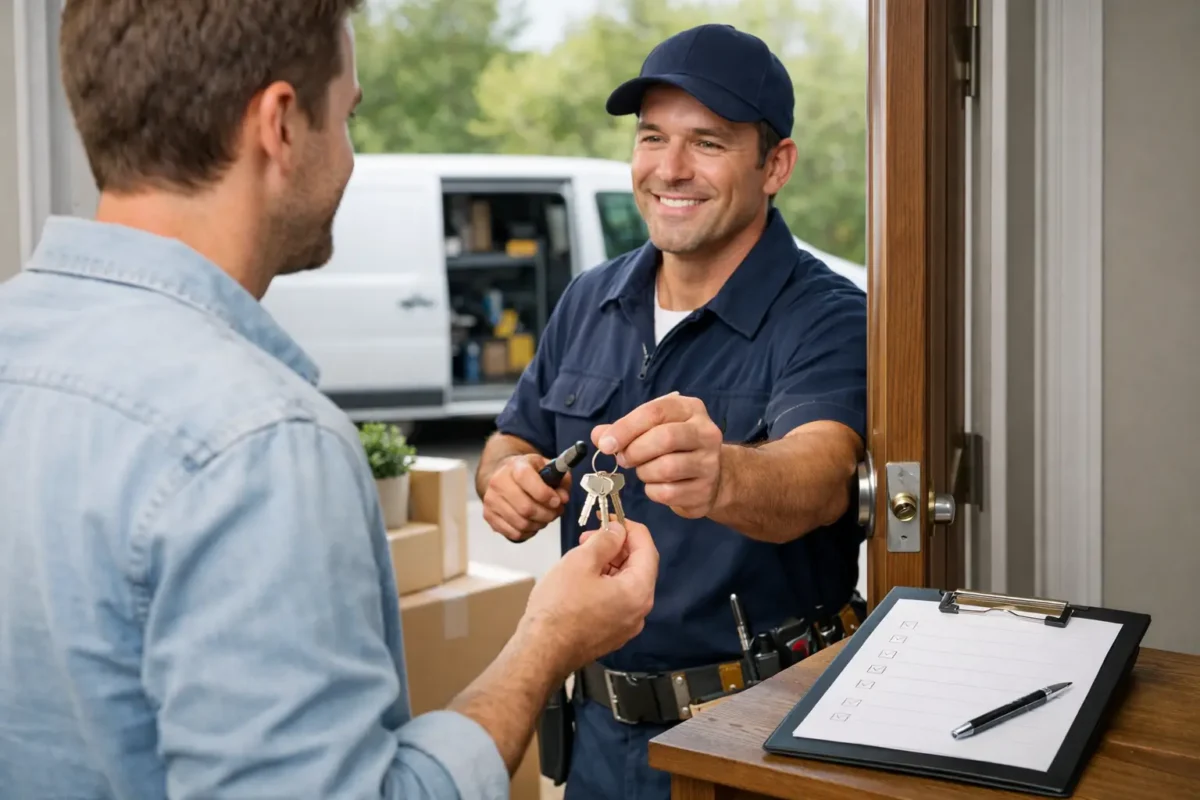
You close on the house, get the keys, and start hauling boxes inside. It feels like the place is finally yours. But one question tends to show up right after move-in day: should you rekey locks after moving, or is that overkill?
For most homeowners, rekeying is one of the smartest first security steps you can take. It is simple, practical, and usually less disruptive than replacing every lock. If you do not know exactly who still has a copy of the old keys, rekeying gives you control right away.
Why rekey locks after moving makes sense
When a home changes hands, the keys do not always change hands completely. Previous owners may have given spare keys to family, neighbors, dog walkers, cleaners, contractors, or tenants. Even if everyone had good intentions, you still have no way to verify how many copies are out there.
That is the real reason people rekey locks after moving. It is not about assuming the worst. It is about removing uncertainty. Once the lock is rekeyed, the old key no longer works, and you know exactly who has access.
This matters even more if you bought a home that had frequent showings, recent renovation work, or a rental history. During a sale or remodel, keys often circulate more than people realize. A rekey closes that gap without forcing you to replace hardware that may still be in good shape.
What rekeying actually does
Rekeying changes the inside of the lock so it works with a new key. The lock itself can often stay in place. From the outside, nothing may look different, but the previous key stops working.
That makes rekeying a good fit when your current locks are functioning well and you simply want to reset access. A locksmith can also often set multiple compatible locks to work on one key, which makes daily use easier. If your front door, back door, and garage entry all take different keys, rekeying may be a chance to simplify things.
People sometimes confuse rekeying with changing locks, but they solve different problems. Rekeying is about key control. Replacing locks is about changing the hardware itself.
Rekeying vs. replacing locks
There are plenty of cases where rekeying is the better move, and a few where replacing the locks makes more sense.
If your locks are in solid condition, rekeying is usually the cleaner option. You keep the existing hardware, avoid unnecessary changes to the door, and restore control over who can enter. This is often the right answer for newer homes, recently updated hardware, or doors with matching finishes you want to keep.
Replacing locks makes more sense if the hardware is worn out, damaged, outdated, or no longer fits your security needs. If a deadbolt sticks, the latch feels loose, or the lock has visible rust or internal wear, rekeying will not fix those issues. The same goes for homeowners who want to upgrade to smart locks, higher-security cylinders, or different finishes after moving in.
There is also a middle ground. Some homeowners rekey first for immediate security, then replace selected locks later as part of a larger home upgrade. That approach works well when move-in costs are stacking up and you want to handle the urgent part now.
When rekeying is the right call
In most move-in situations, rekeying is worth doing early. It is especially useful if you cannot account for every copy of the old key, if the home was previously rented, or if several exterior doors use different keys and you want one working key instead.
It is also a smart choice if you just want peace of mind without replacing functional hardware. That matters more than people expect. Moving comes with a long checklist, and security tends to sit in the background until something feels off. Taking care of the locks early removes one of those lingering doubts.
For renters, it depends on the lease and the landlord. Some property owners handle rekeying between tenants. Others do not. If you are moving into a rental and are unsure whether the locks were rekeyed, ask directly. You should not make changes to the locks without permission, but it is reasonable to ask how access was secured before you moved in.
When rekeying may not be enough
Rekeying is not a cure-all. If the lock is low quality, failing, or installed poorly, changing the key setup does not solve the bigger issue.
Older homes are a good example. Sometimes the locks on an older property have seen years of wear, paint buildup, weather exposure, or loose alignment. In that case, a locksmith may recommend replacement instead of rekeying, especially on the main entry points.
Another factor is compatibility. Not every lock can be rekeyed, and not every brand works the same way. Some smart locks still include a key cylinder that can be rekeyed, while others may need a different approach. If your doors have a mix of standard deadbolts, keypad locks, and specialty hardware, the best solution may vary from one opening to the next.
That is why a quick inspection matters. A locksmith can tell you whether your current setup is a good candidate for rekeying or whether a replacement would serve you better long term.
How soon should you do it?
Sooner is better. Ideally, rekeying happens right after closing or as close to move-in day as possible. If you are waiting on contractors, painters, or deliveries, you may choose to wait until that traffic slows down, but that depends on how access is being managed.
Some homeowners choose to rekey immediately, then make spare keys only for the people they trust. Others wait until after renovation work wraps up so they do not have to track temporary copies. There is no single perfect timeline, but the longer you wait, the longer you are relying on a key history you do not control.
If you bought a property that had multiple prior occupants, a recent breakup of ownership, or uncertain key handoff details, there is a stronger case for doing it right away.
What to expect from a locksmith
A professional locksmith will typically inspect the locks, confirm which ones can be rekeyed, and check whether they can all be keyed alike. If there are issues with wear, alignment, or damaged cylinders, you should hear that clearly before work begins.
This is also a good time to ask practical questions. Can all entry doors use one key? Are there locks that should be upgraded instead of rekeyed? If you have a side door, garage access door, mailbox, or interior door you want secured differently, mention that upfront.
For homeowners in Aurora, Denver, Federal Heights, and nearby areas, mobile locksmith service is especially useful after a move because the work can be done on-site without adding another errand to an already busy week. That convenience matters when you are juggling movers, utilities, and everything else that comes with settling in.
A few common mistakes to avoid
One mistake is assuming the seller gave you every copy. They may have handed over every key they know about, but that is not the same thing as total key control.
Another mistake is focusing only on the front door. Side entries, back doors, garage access doors, and even mailbox locks can get overlooked. If the goal is to secure your new place, it helps to think through every access point people actually use.
The last mistake is waiting until there is a problem. Rekeying after moving is preventative. It is easier to handle it before a lost key, a lockout, or a security concern turns it into something more urgent.
Is it worth it?
In most cases, yes. If the locks are working well and you want to make sure old keys no longer open your home, rekeying is a practical move. It gives you immediate control over access without requiring a full hardware replacement.
It may not be the right answer for every single lock, and some homes need a mix of rekeying and upgrades. But as a first step after moving, it is hard to argue with the logic. You changed addresses. Your keys should change too.
If moving day is still fresh and the boxes are not even unpacked yet, that is fine. You do not need to have every detail figured out today. Just make sure the place you now call home is only open to the people you choose.