
A Lost Car Key Replacement Example That Helps
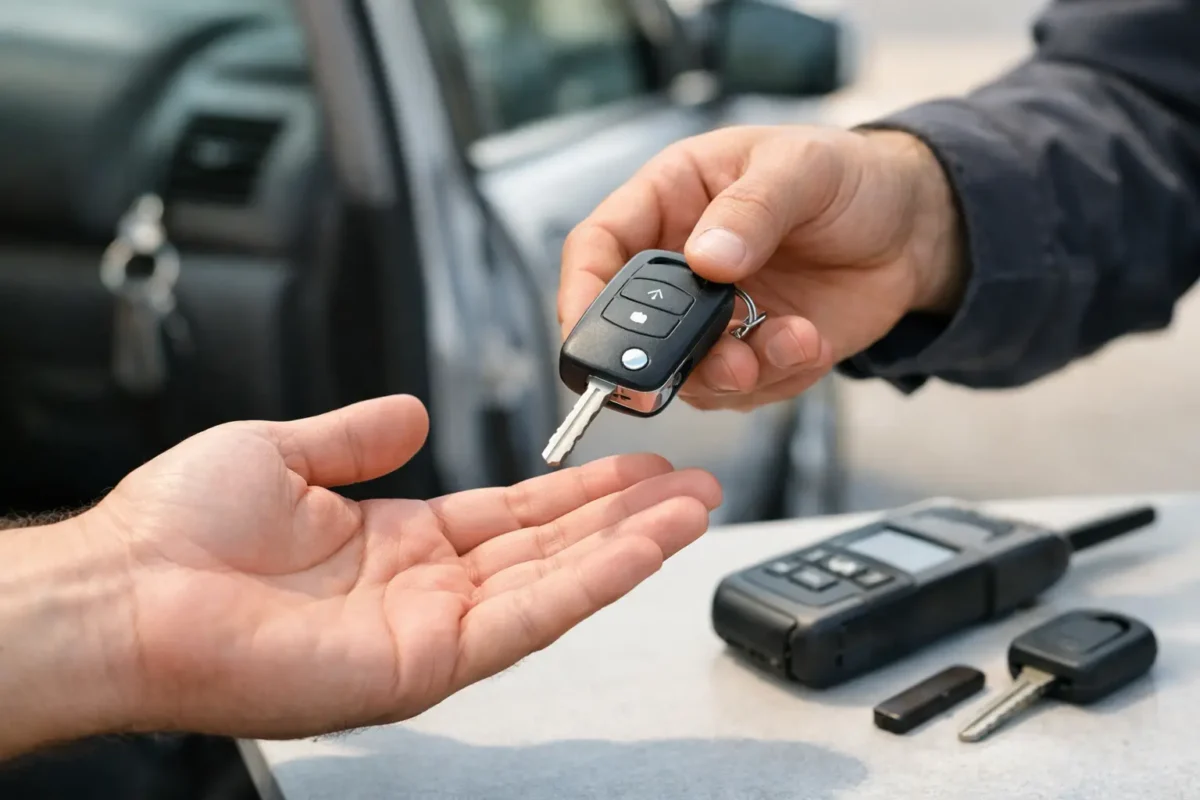
You reach into your pocket after a grocery run, feel nothing, and realize the only key to your car is gone. A lost car key replacement example is useful because it shows what actually happens next: the vehicle must be identified, ownership verified, and the right key made and programmed on-site when possible. The process is usually straightforward when you have the right information ready.
A Lost Car Key Replacement Example From Start to Finish
Picture a driver in Aurora who has lost the only key for a late-model Honda sedan. The car is parked safely, but it cannot be driven because the missing key has a transponder chip. A metal key cut alone would turn the ignition cylinder, but the vehicle’s security system would not recognize it and allow the engine to start.
The driver contacts a mobile automotive locksmith and provides the year, make, model, and location of the vehicle. The locksmith also asks whether the lost key was a traditional key, a remote key fob, or a push-button-start proximity fob. Those details determine the equipment and replacement blank needed for the job.
When the locksmith arrives, the driver shows a valid photo ID and proof that they own or are authorized to access the vehicle. This might be the registration, title, insurance document, or rental agreement. Verifying ownership protects drivers from unauthorized key requests and is a normal part of professional automotive locksmith service.
Next, the locksmith identifies the key system and obtains the key-cutting information through appropriate vehicle records or by working from the lock when applicable. A new key blade is cut to match the vehicle. For a transponder key, the key’s chip is then programmed so the car recognizes it. The locksmith tests the door locks, ignition, and remote functions before leaving.
If the original key is truly gone, the driver may also ask whether the missing key can be removed from the vehicle’s authorized-key memory. On many vehicles, this can reduce the chance that someone who finds the old key can start the car. Whether that step is available depends on the vehicle’s make, model, year, and immobilizer system.
Why the Type of Key Changes the Replacement Process
Not every lost car key replacement follows the same path. The vehicle’s key technology is the biggest factor in what the locksmith needs to do.
Traditional metal keys
Older vehicles may use a basic mechanical key with no electronic chip. In this case, the locksmith cuts a replacement key that matches the vehicle’s locks and ignition. The job can be less involved because no programming is required, but ownership verification still matters.
Transponder keys
Many vehicles use a key with a small electronic chip inside the head. The chip communicates with the vehicle’s immobilizer system. A replacement requires both accurate key cutting and programming. If either part is skipped, the key may open the door but fail to start the vehicle.
Remote head keys and key fobs
Some keys combine the metal blade and remote buttons in one unit. Others have a separate fob for locking, unlocking, trunk release, or panic functions. A replacement may require programming the remote buttons, the transponder function, or both. The exact steps depend on how the manufacturer designed the system.
Push-button-start proximity keys
A proximity fob lets the driver start the vehicle while the fob is inside the cabin. These systems are more complex because the replacement fob must be compatible with the vehicle and programmed correctly. A locksmith may also need to confirm that passive entry, remote start, and other fob functions work as intended.
The main point is simple: do not assume every replacement is just a duplicate. The key may be part of the vehicle’s anti-theft system, which is why professional tools and proper programming matter.
What to Do as Soon as You Notice Your Key Is Missing
First, make sure the key is actually lost rather than locked inside the car. Check bags, jacket pockets, the area around the vehicle, and the places you visited most recently. If you have a spare key at home, consider whether someone can bring it safely. A spare can get you moving, but you may still want a replacement made so you are not left with only one key.
If you believe the key was dropped in a public place or could have been taken, treat it as a security concern. Move the vehicle to a secure location if you can do so without using the missing key. Tell the locksmith that the key may be in someone else’s possession, not merely misplaced. That information helps determine whether clearing the old key from the vehicle system is worth considering.
Have the vehicle information ready before you request service. The year, make, model, VIN when available, and your current location help the locksmith prepare for the right type of key. Be ready to provide proof of ownership when the locksmith arrives. This prevents delays and keeps the process safe.
Avoid forcing the door, ignition, or trunk lock with improvised tools. Modern vehicle locks, weather seals, airbags, wiring, and electronic systems can be damaged by an attempted entry. A lockout and a lost-key replacement are different services, but a mobile locksmith can assess the situation and recommend the correct solution.
What a Mobile Locksmith Can Handle On-Site
For many vehicles, a properly equipped mobile locksmith can create and program a replacement where the car is parked. That is especially helpful when the vehicle cannot be started or moved. The locksmith brings key-cutting equipment, programming tools, compatible key blanks or fobs, and diagnostic equipment to the vehicle.
The work may include gaining authorized entry if the car is locked, cutting a new mechanical key, programming a transponder or fob, and testing every relevant function. A careful test is not optional. The replacement should be checked in the ignition or push-button-start system, at the door locks, and with remote functions that apply to that key.
There are exceptions. Some vehicle systems have special security procedures, uncommon key availability, significant prior electrical issues, or manufacturer-specific requirements. In those cases, the right solution depends on the vehicle and its condition. A professional locksmith should explain what is needed in plain language instead of promising a one-size-fits-all fix.
Questions That Help You Get the Right Replacement
When you call for assistance, describe the situation clearly. Say whether you lost every key, still have a working spare, or only need a damaged key replaced. Mention if the car has a physical ignition key or push-button start, and let the locksmith know whether the doors are locked.
It also helps to mention any recent key issues. For example, if the old fob worked only intermittently, the problem may have involved a weak battery, worn buttons, or a programming issue rather than the key being the only concern. If the ignition was already difficult to turn, that may point to wear in the key or ignition cylinder that should be checked while service is underway.
A clear description saves time and helps ensure the locksmith arrives prepared for your vehicle. It also gives you a better understanding of why a replacement for one car may differ from a replacement for another.
After the Replacement Is Complete
Before the job is finished, test the replacement yourself. Confirm that it locks and unlocks the doors, starts the vehicle, and operates the trunk or panic button if those functions are included. If you received more than one key, test each one rather than assuming they work the same way.
Then make a plan for the next lost-key situation while the memory is fresh. Keep a spare in a secure location that is separate from the vehicle. Do not hide it under the car or in an obvious exterior magnetic box. If another driver in your household uses the vehicle, make sure they know where the spare is stored.
For drivers in Aurora, Federal Heights, Denver, and nearby communities, BS Locksmith provides mobile car key replacement, key fob programming, and lockout assistance when a missing key brings your day to a stop. Keep your vehicle details and proof of ownership accessible, and the right help can turn a stressful lost key into a solved problem.