
Why Is My Door Lock Sticking? Causes and Fixes
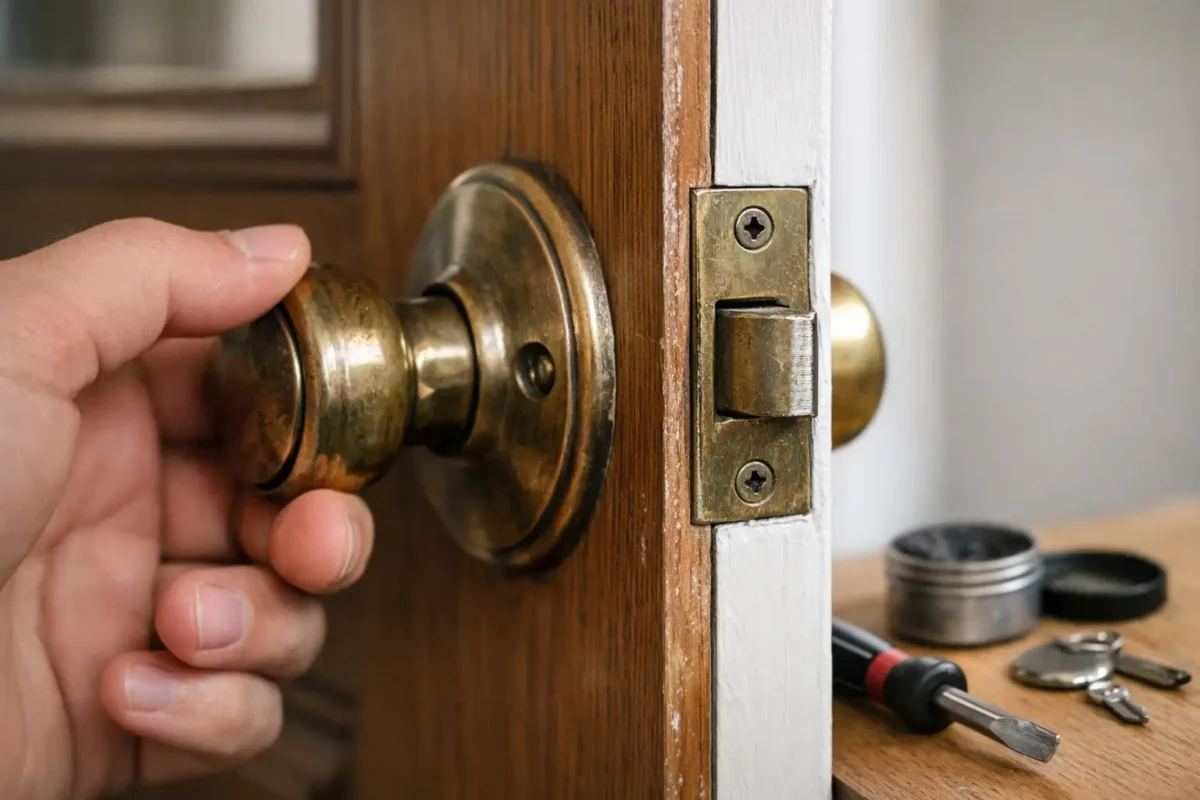
A lock that turns only after a hard jiggle can turn an ordinary trip outside into a lockout. If you are asking, why is my door lock sticking, the problem may be as simple as a dirty keyway or as serious as a door that has shifted out of alignment. The right response depends on where the resistance is coming from – and forcing the key is rarely the right first move.
Why Is My Door Lock Sticking?
A door lock has several parts that must work together: the key, the cylinder where the key goes, the latch or deadbolt, the strike plate in the frame, and the door itself. Sticking can come from any one of them. The key clue is what happens when you use the lock.
If the key is difficult to slide in or pull out, the issue is usually inside the keyway or with the key. If the key goes in easily but will not turn, worn internal pins, debris, or a damaged key may be responsible. If the key turns but the deadbolt will not move unless you push, pull, or lift the door, the lock cylinder may be fine and the door alignment is likely the real issue.
Colorado weather can make these problems more noticeable. Temperature swings, moisture, dry air, and seasonal movement in wood framing can all affect a door and its hardware. That does not mean every sticky lock needs replacement, but it does mean a small warning sign should not be ignored until it becomes an emergency.
Dirt or debris inside the keyway
Dust, pocket lint, tiny metal shavings, and old lubricant can collect inside a lock cylinder over time. Old oil-based products are especially troublesome because they attract more dirt and can leave a gummy residue. A key may feel rough going in, hesitate halfway, or require repeated attempts to turn.
Use a lock-safe dry lubricant, such as graphite or a PTFE-based product made for locks, following the product directions. Insert the key, work it gently several times, and wipe the key clean. Avoid spraying heavy household oils into the lock. They may seem to help for a day, then make the problem worse.
A worn, bent, or damaged key
Keys wear down gradually, so it is easy to miss the change. A worn key may work sometimes and fail other times, particularly if it has been copied from another worn copy. A slightly bent key can also bind in the cylinder, even when the bend is difficult to see.
Compare the problem key with a newer spare if you have one. If the spare works smoothly, stop using the worn key and have a fresh copy made from the better key. Never twist a bent key hard in the lock. It can break off inside the cylinder and turn a simple key issue into a more involved repair.
The door and strike plate are out of alignment
This is one of the most common causes of a sticking deadbolt. Doors settle, hinges loosen, weather stripping expands, and wood can swell or shift with changing conditions. When that happens, the bolt no longer lines up cleanly with the opening in the strike plate.
Try locking and unlocking the door while it is open. If the deadbolt works normally when the door is open but sticks when the door is closed, alignment is almost certainly involved. Notice whether lifting the door, pulling it toward you, or pushing it inward makes the lock turn. That movement points to a latch or deadbolt that is rubbing against the strike plate.
Sometimes tightening loose hinge screws solves a minor alignment issue. In other cases, the strike plate needs adjustment or the door needs professional correction. Filing a larger hole in the frame without checking the cause can weaken the installation and may not solve the underlying problem.
A dry, worn, or failing lock cylinder
Locks do not last forever. Frequent use, age, harsh weather, attempted forced entry, and poor-quality hardware can wear the pins and springs inside the cylinder. You may notice the key catching at the same point every time, needing excessive wiggling, or turning only after several tries.
A cylinder that is beginning to fail can be unpredictable. It may work in the morning and refuse to turn later that day. If you rely on a sticky lock for your home, business, mailbox, or storage area, it is better to repair or replace it before you are locked out or unable to secure the door.
A damaged latch or deadbolt mechanism
When the thumbturn is stiff from the inside as well as the key from the outside, the issue may be in the lock body rather than the key cylinder. A deadbolt can become difficult to operate when internal components wear out, when the bolt is bent, or when the bolt repeatedly hits the strike plate instead of entering it cleanly.
Do not keep cranking a stiff thumbturn. Too much force can break internal parts or leave the bolt stuck in the locked position. A locksmith can inspect the complete assembly, identify whether the issue is repairable, and install compatible replacement hardware when needed.
Safe Things to Try Before Calling a Locksmith
Start with gentle troubleshooting. Do not force the key, use pliers on it, or hit the lock. Those actions can damage the cylinder, snap the key, or make the door harder to open.
First, test the lock with the door open. Next, try a known-good spare key. If the keyway feels dirty, use only a lubricant designed for locks. Then check visible screws on the hinges, lock, and strike plate for obvious looseness. Tighten screws carefully, but do not overtighten stripped holes or force hardware back into place.
If the problem happens only when the door is closed, apply light pressure in different directions while turning the key. Pull the door toward you, push it gently inward, or lift slightly on the handle. This is a diagnostic step, not a long-term fix. If pressure changes how the lock works, schedule an alignment repair before the issue worsens.
For smart locks, also check the batteries and make sure the bolt is not rubbing against the strike plate. A smart lock motor may struggle or report an error when the door is misaligned, even if the app and batteries are working properly.
When a Sticking Lock Needs Professional Help
Call a locksmith if the key is stuck, bent, or broken; the lock will not secure; the deadbolt is difficult to operate from either side; or the issue began after an attempted break-in. These are not problems to put off, especially on an exterior door or a business entry.
You should also get help when a lock has been sprayed with the wrong product, when you have lost confidence in who may have keys, or when the door and frame show signs of movement. A professional can determine whether rekeying, cylinder repair, lock replacement, strike adjustment, or hinge work is the practical solution. The best option depends on the condition of the hardware and the level of security you need.
For property managers, a sticky lock between tenants is a good reason to inspect the whole entry, not just cut another key. Rekeying can control old key access, while correcting alignment helps prevent maintenance calls after the new resident moves in. For businesses, a sticking lock on a staff entrance can disrupt opening and closing routines, so it is worth addressing before it affects access or security.
Prevent a Door Lock From Sticking Again
A little maintenance can extend the life of your locks. Keep keys clean and avoid using them for prying packages or other tasks that can bend them. Use a lock-appropriate dry lubricant periodically rather than waiting until the key barely turns. Check exterior doors after major weather changes, particularly if they begin to drag or need extra force to latch.
It also helps to close the door normally when locking it. Slamming a door repeatedly can loosen hardware and cause the latch or bolt to strike the frame incorrectly. If you notice a small change in how the key turns, handle it early. A lock should operate smoothly, without force, every time you leave or come home.
A sticking lock is usually giving you advance notice that something needs attention. Address it while the door still opens, and you can protect your security, avoid unnecessary damage, and keep a minor repair from becoming a stressful lockout. For homeowners and businesses in Aurora, Federal Heights, Denver, and nearby areas, BS Locksmith can inspect the issue on-site and help get the door operating securely again.