
Commercial Door Security Trends That Matter
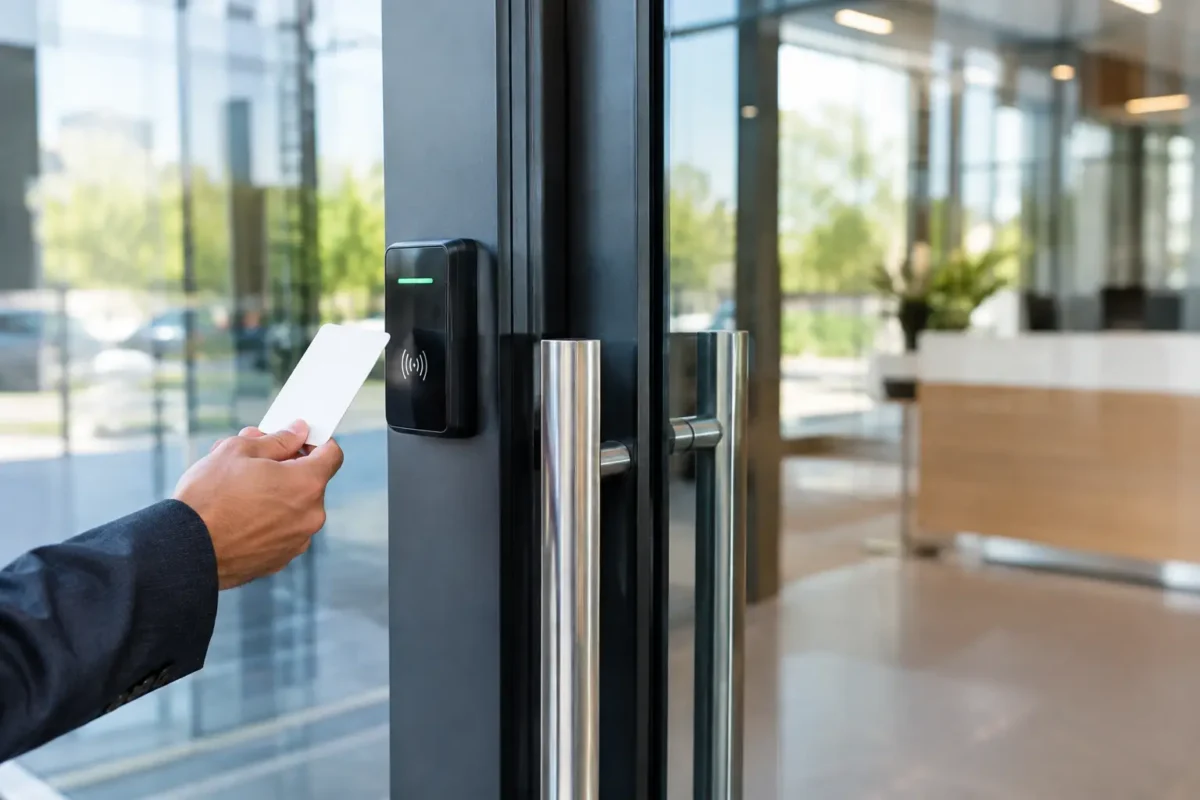
A back door that does not latch, a former employee with an active key, or a propped-open side entrance can create a bigger security problem than a dramatic break-in. That is why commercial door security trends are moving beyond simply installing a stronger lock. Businesses now need to control who enters, when they enter, and whether every opening closes and locks as intended.
For offices, retail stores, warehouses, medical practices, and managed properties around Denver, the right upgrade depends on the building, the number of users, and the risks at each door. A small business may need a better key system and a dependable closer. A multi-tenant property may benefit more from electronic access records and credential control.
Commercial Door Security Trends: Better Control, Not More Complexity
The most useful security improvements make day-to-day access easier for authorized people while reducing opportunities for unauthorized entry. Technology has a place, but mechanical hardware still does much of the work. A keypad will not help if the door frame is weak, and a heavy-duty deadbolt cannot correct a door that never latches.
The trend is toward layered door security: sound hardware, controlled credentials, clear access rules, and regular maintenance. This approach gives business owners practical protection without adding systems they do not need.
Keyless Access Is Becoming More Common
Keypads, card readers, fobs, and mobile credentials are increasingly common at commercial entrances. Their biggest advantage is control. When an employee leaves, management can remove that person’s access without collecting a physical key or rekeying every affected lock.
Electronic access also works well when different people need different permissions. An office manager may need access to all areas, while a delivery driver may only need access to a receiving door during business hours. For businesses with changing staff, multiple shifts, or restricted storage areas, that flexibility can save time and reduce uncertainty.
That said, keyless access is not automatically the best answer for every door. It requires proper installation, power planning, and management of codes or credentials. Battery-powered hardware needs scheduled battery changes, and shared keypad codes can become a problem when too many people know them. A locksmith can help match the system to the door, traffic level, and security needs instead of installing more technology than the building can support.
Mobile Credentials Are Useful, but Policies Still Matter
Using a phone as a credential is convenient for employees who already carry a mobile device. It can reduce the number of physical fobs in circulation and may make access changes easier for management.
But a phone credential should be backed by a clear policy. Employees need to report lost phones promptly, and access should be removed as soon as someone leaves the company. The same rule applies to cards, fobs, and mechanical keys: access control only works when the business keeps its user list current.
Restricted Key Systems Help Businesses Manage Physical Keys
Traditional keys are not disappearing. Many commercial doors, interior offices, gates, utility rooms, and storage spaces still rely on mechanical locks because they are dependable and simple to operate.
What is changing is how businesses manage those keys. Restricted key systems are designed to limit unauthorized duplication. Rather than handing out standard keys that may be copied at many retail locations, a business can use a controlled system where additional keys are issued through an authorized process.
This is especially helpful for property managers, professional offices, churches, schools, and businesses with several doors. A master key system can allow certain staff members to access multiple areas while limiting others to only the doors they need. The trade-off is that master keying needs careful planning. If it is poorly designed or not documented, future rekeys and changes can become more complicated.
Door Closers and Latching Are Getting More Attention
A commercial lock can be in perfect condition and still fail to secure a building if the door does not close completely. Doors are often affected by weather, foot traffic, building movement, worn hinges, damaged frames, or a closer that is out of adjustment.
One of the most practical commercial door security trends is treating door operation as part of security, not just a maintenance issue. A door should close at a controlled speed, latch reliably, and meet accessibility requirements without being difficult to use. If it slams, drags, sticks, or needs a hard pull to latch, it deserves attention.
This matters in Colorado, where temperature changes and seasonal conditions can expose alignment problems. A loading door or rear employee entrance that stays slightly open may invite theft, weather damage, pests, and after-hours access. Regular inspection of closers, hinges, strikes, panic hardware, and weather stripping can prevent a small problem from becoming an emergency repair.
Panic Hardware Must Work Every Time
Exit devices and panic bars are required in many commercial settings because people need a fast, clear way to leave during an emergency. They also have a security role. Properly installed panic hardware keeps an exterior door secured from the outside while allowing safe exit from inside.
Businesses sometimes run into trouble when panic hardware is modified, blocked, taped, or forced to compensate for another issue with the door. A bar that sticks or a latch that does not engage can create both security and life-safety concerns. Hardware should be selected for the door type, occupancy, and use of the space, then maintained so it operates correctly under normal conditions.
For a storefront, school, restaurant, or shared commercial building, it is worth checking every exit door regularly. Staff should know which doors are for emergency exit only and which entrances must never be propped open.
Video Doorbells and Cameras Support, but Do Not Replace, Locks
Cameras at commercial doors have become more affordable and easier to monitor. They can help document deliveries, deter unwanted behavior, and give managers a clearer picture of activity around entrances.
A camera is most useful when it supports a solid door security plan. It can show who approached a door, but it cannot keep a weak latch engaged. It can record a tailgating incident, but it cannot stop someone from following an authorized employee through a secured entrance.
Businesses should also think about placement. A camera facing the door is useful, but coverage of the approach, parking area, or loading zone may matter just as much. Good lighting, visible signage, and a door that closes securely are often more effective together than any single device alone.
Access Logs Are Changing How Businesses Respond to Incidents
With electronic access systems, businesses can often review activity by door, credential, and time. This can be helpful after a lost fob, an employee complaint, a disputed delivery, or an after-hours entry concern.
The value is not just in having records. It is in using them responsibly. Limit who can view access information, establish a process for reviewing unusual activity, and avoid letting old users remain active in the system. Small businesses do not need a complex security department to do this. They need one person who owns the process and follows it consistently.
A Security Upgrade Should Start With the Doors You Have
Before choosing new locks or access control, walk the property with a practical eye. Check the main entrance, rear door, employee entrance, storage areas, gates, and any door that leads into a shared space. Look for loose strikes, worn hardware, doors that do not latch, keys that have been passed around, and entrances employees routinely prop open.
Then prioritize the problems that create the clearest risk. A retail shop may start with a reinforced rear door and restricted keys. An office with frequent turnover may start with keypad or fob access. A property manager may need a master key plan, closer repairs, and consistent rekeying between tenants.
BS Locksmith helps businesses in Aurora, Federal Heights, Denver, and surrounding communities address both urgent door problems and planned access upgrades. The goal is not to make your doors complicated. It is to make sure they close, lock, and give the right people access when they need it.
A good next step is simple: test every commercial door after hours as if you were trying to secure the building yourself. The door that hesitates, sticks, fails to latch, or has an unknown key history is usually the one that deserves attention first.