
Lock Bumping Prevention That Protects Your Home
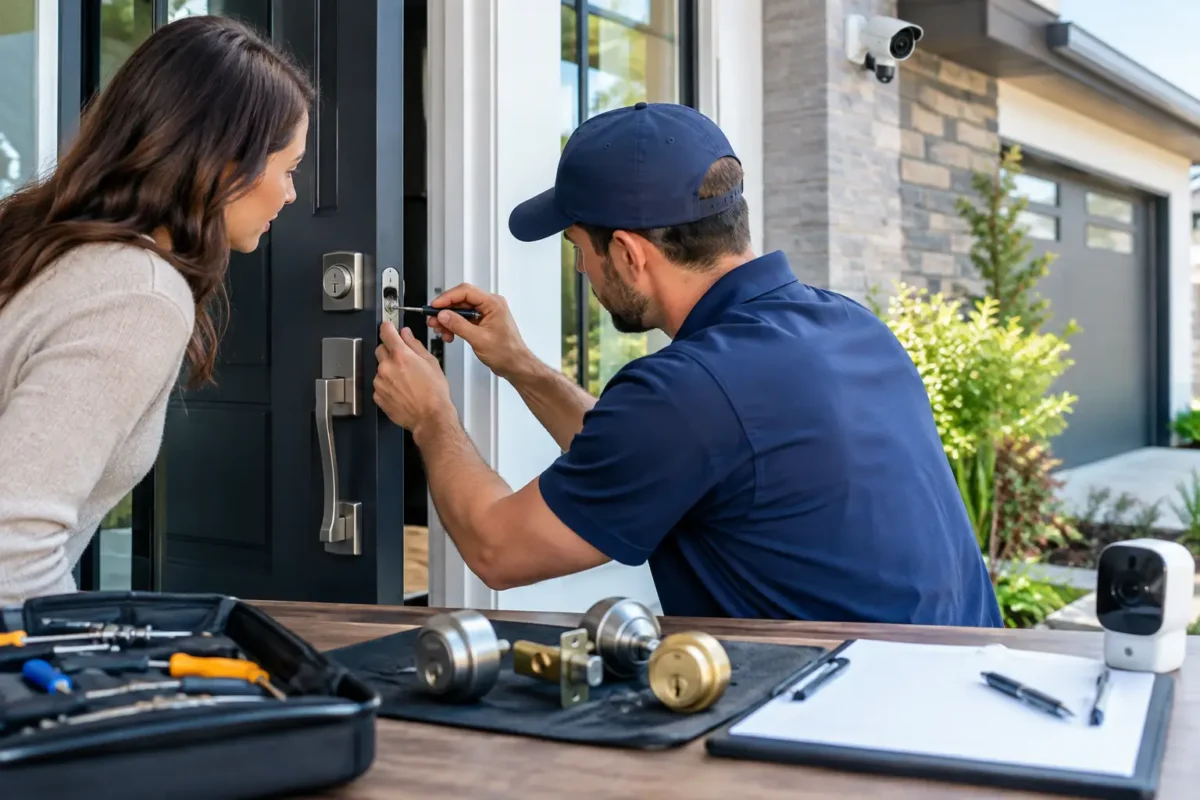
A standard-looking front-door lock can be the weak point in an otherwise secure home. Lock bumping prevention is about reducing that risk with the right lock hardware, proper installation, and smart key control – not relying on a basic cylinder simply because it still turns smoothly.
For homeowners, landlords, and small businesses, this is usually a practical security upgrade. You do not need to replace every piece of door hardware blindly. A qualified locksmith can assess the locks you have, identify the doors that need the most attention, and recommend improvements that fit the property and budget.
What Lock Bumping Prevention Means
Lock bumping is a method that can affect certain traditional pin tumbler locks. The concern is not that every lock is equally vulnerable or that every property needs the most expensive hardware available. The concern is that older, basic, or poorly installed cylinders may offer less resistance than many property owners expect.
Effective lock bumping prevention focuses on making unauthorized entry more difficult and less practical. That often starts with upgrading the lock cylinder, but the entire door matters. A high-quality cylinder installed in a loose deadbolt, weak strike plate, or damaged door frame cannot deliver the protection it was designed to provide.
The best solution depends on the door, the type of property, who needs access, and whether key control is a concern. A homeowner may need a better deadbolt and fresh keys after moving in. A rental property owner may benefit from rekeying between tenants and installing more durable hardware. A business may need controlled keys or an access control system for multiple employees.
Start With the Locks on Exterior Doors
Your first priority should be doors that lead directly outside: front doors, back doors, garage entry doors, side doors, and doors connecting a business to public or shared areas. These are the locks most worth evaluating for security upgrades.
A basic deadbolt can be suitable in some situations, especially when it is in good condition and installed correctly. However, older locks, low-quality cylinders, or locks with a long history of copied keys deserve a closer look. If you recently bought a home, changed tenants, lost a key, or gave keys to contractors over the years, rekeying or replacing the cylinder may be the right move even if the lock itself appears to work.
Look for deadbolt and cylinder options designed with additional resistance against common forced-entry and lock-manipulation concerns. Features may include tighter keyway designs, hardened internal components, anti-pick elements, and restricted key systems. No mechanical lock is invincible, but better hardware can raise the level of effort required for unauthorized entry.
A locksmith can also confirm whether the cylinder is compatible with your existing door hardware. This matters because a lock upgrade should fit correctly, operate smoothly, and allow the door to latch and deadbolt without forcing it.
Do Not Overlook the Door Frame
A lock protects only one part of the opening. The strike plate, mounting screws, hinges, door material, and frame condition all affect how well a door performs under pressure.
For a wood-framed exterior door, reinforcing the strike area with a heavy-duty strike plate and properly sized screws can improve security significantly. On commercial doors, the answer may involve different hardware, such as a commercial-grade deadbolt, latch guard, panic hardware, or an electric strike that works with an access control system.
If the door sticks, has visible gaps, or requires lifting before it locks, address that problem before assuming a new lock will solve everything. Misalignment can wear down hardware, prevent the bolt from fully extending, and leave a door less secure than it should be.
Choose the Right Type of Security Upgrade
There is no single product that fits every Denver Metro property. The right choice comes down to how the door is used and how much control you need over keys.
For many homes, a quality deadbolt with an upgraded cylinder is a straightforward answer. It maintains the familiar operation of a standard keyed lock while improving resistance and reliability. This can be a sensible option for a front door, a garage entry door, or a rental unit between occupants.
High-security lock systems are often a better fit when key duplication is a major concern. Some systems use restricted keyways, meaning copies are more controlled than with common house keys. This is valuable for property managers, offices, and homeowners who have had many keys distributed over time. The trade-off is that replacement keys may require more oversight, which is the point when stronger key control is needed.
Smart locks can also support lock bumping prevention because many models reduce or eliminate day-to-day use of a traditional key cylinder. They can be convenient for families, short-term access needs, and businesses that want to assign or remove codes without collecting physical keys. Still, smart locks require thoughtful installation, battery maintenance, and secure code management. A smart lock should be chosen for the door and user needs, not just for app features.
For commercial properties, access control can provide a larger security benefit than changing one lock at a time. Key cards, fobs, mobile credentials, or keypad codes can be managed as staffing changes. That helps avoid the uncertainty of unreturned employee keys and gives managers more control over who can enter specific areas.
Rekeying Is Part of Prevention
A lock may be in excellent condition and still create a security issue if too many people have keys. Rekeying changes the lock so old keys no longer operate it, without necessarily replacing all the exterior hardware.
This is one of the most practical steps after moving into a new home, taking possession of a commercial suite, changing tenants, or losing track of spare keys. It is also useful when a key was handed to a former roommate, employee, cleaner, vendor, or contractor and was never returned.
Rekeying does not automatically make a low-security cylinder more resistant to bumping. However, it restores control over who can access the property. In some cases, the best approach is to rekey compatible locks while upgrading the most exposed exterior door to a higher-security cylinder.
Avoid Security Gaps Created by Everyday Habits
The hardware on the door matters, but daily routines matter too. A high-quality lock cannot help if a spare key is left in an obvious place or if access codes are shared widely and never changed.
Keep physical keys limited to people who truly need them. Avoid labeling keys with an address or business name. If you use a keypad or smart lock, remove old user codes promptly and give each regular user a separate code when possible. That makes it easier to manage access without changing one shared code every time circumstances change.
For businesses, establish a simple key and credential policy. Decide who can authorize new keys, track issued keys, and collect credentials when employment ends. Small steps like these prevent access control from becoming disorganized as the business grows.
When to Call a Locksmith for a Security Review
A security review makes sense when you are unsure what type of locks you have, whether they are installed correctly, or which upgrades are worth the investment. It is especially useful after a break-in attempt, a lost key, a tenant turnover, a move, or a change in business staffing.
During an on-site evaluation, a locksmith can inspect lock condition, cylinder type, door alignment, strike plates, hinges, and the overall operation of the opening. The goal is not to sell unnecessary hardware. It is to identify the most meaningful improvements first, whether that means rekeying, replacing a worn deadbolt, adding a reinforced strike plate, installing a smart lock, or building a commercial access plan.
BS Locksmith provides mobile residential and commercial locksmith service throughout Aurora, Federal Heights, Denver, and surrounding areas. For urgent concerns or planned upgrades, having a professional assess the actual door and lock hardware helps prevent guesswork.
A secure property is built through practical layers: controlled keys, reliable locks, solid installation, and doors that close and lock properly every time. Start with the exterior door you rely on most, then make the next improvement based on the real condition of your property.