
Are Smart Locks Worth It for Your Property?
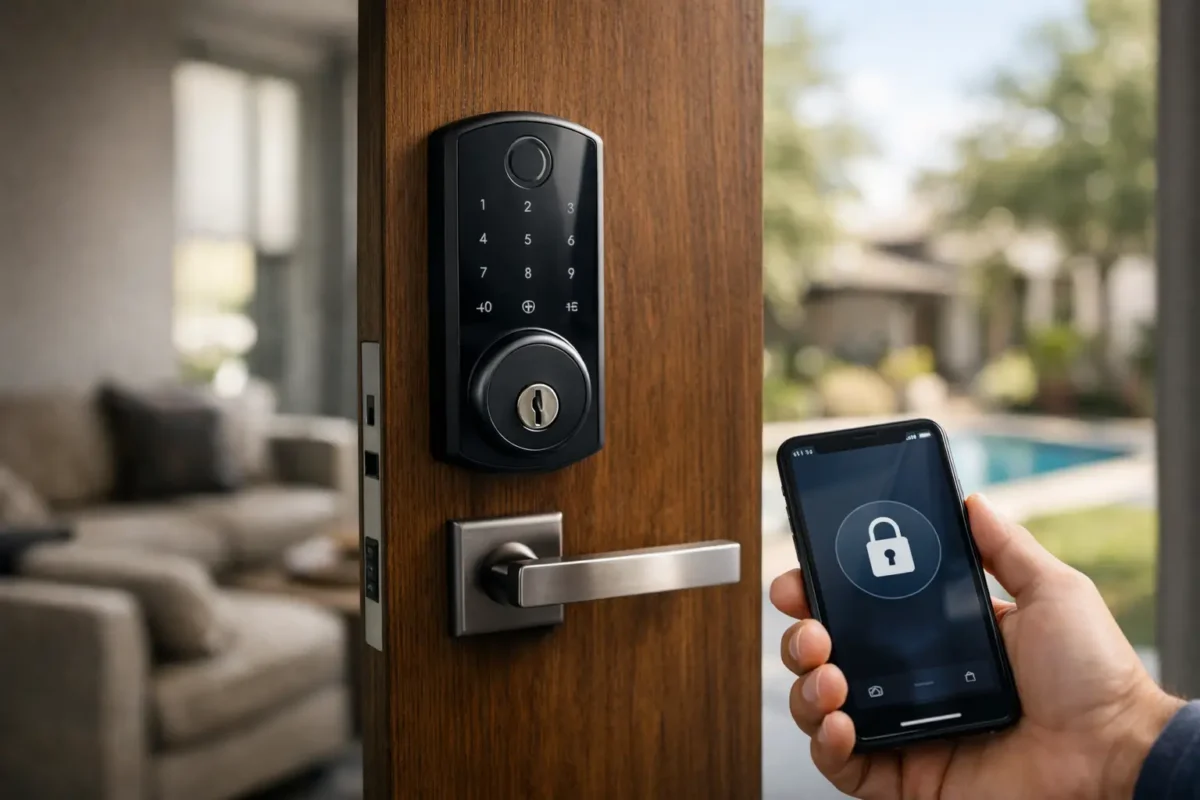
You usually start asking, are smart locks worth it, right after a hassle you do not want to repeat – lost keys, a tenant move-out, a kid locked out after school, or a business door that too many former employees could still open. Smart locks promise convenience, but convenience alone is not enough if the lock does not fit how you actually use the property.
The short answer is yes, smart locks are worth it for many homes and some businesses. But they are not automatically the best choice for every door, every user, or every building. The real value comes down to security habits, who needs access, how often access changes, and whether the lock is installed and managed correctly.
Are smart locks worth it for most homeowners?
For a lot of homeowners, they are. A smart lock can solve problems that standard keyed locks do not handle well. If you are tired of hiding spare keys, making copies for family members, or wondering whether you locked the door on the way out, a smart lock can make daily life easier.
Most homeowners like smart locks for one main reason: control. Instead of handing out physical keys, you can create codes for family, guests, dog walkers, house cleaners, or contractors. Some models let you set temporary codes and remove them when you no longer need them. That is a practical upgrade, especially if access changes often.
They also help with lockouts. If your phone is on you or you remember your code, you may avoid standing outside waiting for help. That does not mean smart locks eliminate lockouts entirely. Batteries die, people forget codes, and some users still leave secondary doors secured in ways that block entry. But for many families, smart access reduces everyday friction.
Another benefit is visibility. Depending on the model, you may get alerts when someone enters, review access history, or check lock status remotely. For parents, landlords, and property managers, that can be genuinely useful, not just a gadget feature.
Where smart locks make the most sense
Smart locks tend to be most useful on primary entry doors where convenience matters every day. Front doors, side garage entries, rental units, home offices, and small business doors are common examples.
They are especially helpful when multiple people need different levels of access. A family with teenagers has different needs than a retired couple. A property manager handling tenant turnover has different needs than a homeowner who rarely has guests. In those cases, digital access is not a novelty. It saves time and cuts down on rekeying every time access changes.
For small businesses, the value can be even clearer. If you need to control employee access, remove credentials quickly, or stop relying on copied keys floating around, a smart lock or a basic access control setup can be a smart move. Not every business needs a full commercial system, but many do benefit from better control than a standard key can offer.
The trade-offs people should know before buying
This is where the answer to are smart locks worth it gets more specific. Smart locks are convenient, but they also add new points of failure.
The most obvious one is power. Battery-powered locks need maintenance. If you ignore low-battery alerts, you can create a problem for yourself. Most quality models give warning before batteries die, and many have backup entry options, but they still need attention.
Connectivity is another issue. Some locks work through Bluetooth, some through Wi-Fi, some through a hub, and some offer keypad-only features with limited app control. If your internet is unreliable or you do not want another app managing your front door, that matters. A lock that depends heavily on a setup you do not maintain well can become more frustrating than helpful.
There is also the quality gap. Not all smart locks are built the same. Some have solid hardware and dependable software. Others focus more on features than on mechanical strength. A lock can have an impressive app and still be the wrong choice if the latch, deadbolt, door alignment, or strike plate is weak. Security is never just the device itself. The condition of the door and frame matters too.
Then there is user fit. If everyone in the house is comfortable with codes and apps, adoption is easy. If one person strongly prefers a physical key, or if an elderly family member struggles with technology, the wrong smart lock can create stress instead of convenience.
Security concerns are real, but often misunderstood
A lot of people worry that smart locks are less secure simply because they are digital. That is too broad. A well-made smart lock, properly installed on a solid door, can be a strong option. A poorly installed one, or a cheap model on a weak frame, is not.
The digital side does introduce concerns like app security, account passwords, and firmware updates. Those are real issues, but they are manageable. Use strong account credentials. Keep the lock software updated when the manufacturer releases updates. Do not share admin access casually. Remove old user codes when they are no longer needed.
At the same time, traditional keyed locks are not perfect either. Keys get lost, copied, stolen, and never returned. Many people keep using old hardware long after the key control situation has become messy. Smart locks can actually improve practical security when they help people manage access more carefully.
In other words, the question is not whether smart locks are magically safer than every traditional lock. The better question is whether they give you more control without creating more risk than you can reasonably manage.
Are smart locks worth it for rentals and property managers?
Often, yes. This is one of the clearest use cases.
If you manage rentals, short-term stays, or frequent tenant turnover, physical key handoffs can become a constant headache. Smart locks let you issue and remove codes without collecting keys, tracking copies, or rekeying after every access change. That can save a lot of time and reduce uncertainty.
They are also useful for maintenance coordination. You can assign temporary access to vendors, cleaners, or repair crews and remove it once the work is done. That is more controlled than leaving a key under a mat or relying on a lockbox forever.
Still, rental properties need durable hardware. A lock that works fine for a single homeowner may not hold up as well under heavy use. Property managers should think less about novelty and more about reliability, audit trails, weather exposure, and how easy the lock is to manage across multiple units.
When a traditional lock may be the better choice
Smart locks are not always the right answer. If you rarely change access, do not want app-based controls, and are happy with a strong deadbolt and good key control, a traditional lock may be the better fit.
This is also true for doors where environmental conditions are rough, usage is limited, or users are likely to ignore battery maintenance. In some cases, upgrading to a high-quality mechanical deadbolt, rekeying the locks, and improving the strike plate does more for security than adding smart features.
For businesses, some openings need more than a residential-style smart lock can offer. A back office, storefront, or shared commercial entry may require commercial-grade hardware or a broader access control system instead. The right solution depends on the traffic level and the security goal.
What to look for if you decide to upgrade
If you are leaning toward a smart lock, focus on fit first. Think about who uses the door, how often codes need to change, whether remote control matters, and whether a keypad, app, fingerprint reader, or key override actually helps your situation.
Pay attention to door compatibility. Not every door, frame, or existing bore setup works perfectly with every smart lock. Installation quality matters more than many people realize. A good lock on a misaligned door can still jam, drag, or fail to latch properly.
It also helps to think beyond the lock itself. If your door frame is weak or the hardware is worn out, that should be addressed at the same time. A local professional can tell you whether your current door setup supports the upgrade or whether a different solution makes more sense. That is one reason homeowners and businesses in the Denver area often ask a locksmith to handle smart lock installation instead of treating it like a basic DIY swap.
So, are smart locks worth it?
If convenience, access control, and flexibility matter to you, they usually are. If you want a simple lock with no batteries, no app, and no learning curve, maybe not.
The best smart lock is not the one with the longest feature list. It is the one that fits your door, your routine, and the people who need to use it every day. Choose based on how you live or work, not on hype, and the upgrade is far more likely to pay off.