
Can Key Fobs Be Copied? What Owners Should Know
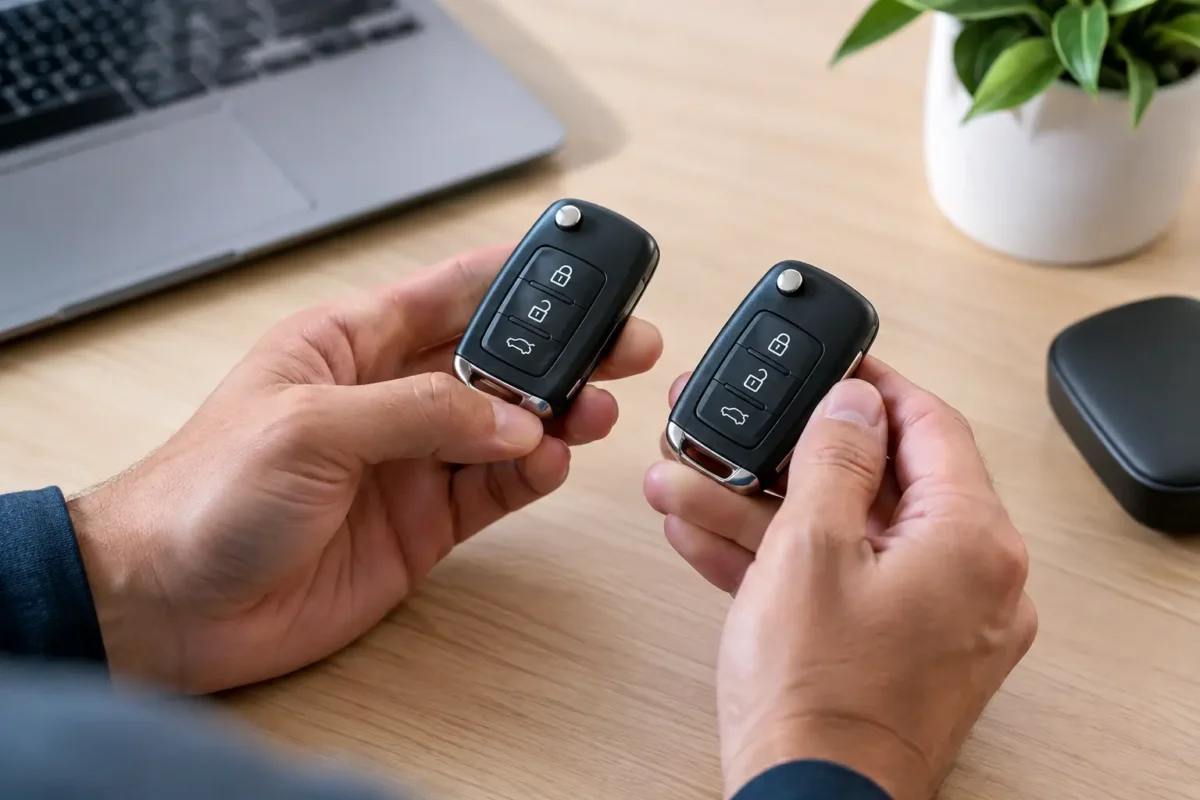
A lost key fob can turn a normal day into a security concern fast. Can key fobs be copied? Often, yes, but the answer depends on what the fob controls and how its electronic system is built. A garage remote, apartment entry fob, car key fob, and commercial access credential may all look similar in your hand, yet they use very different technology.
For legitimate owners and authorized property managers, copying or replacing a fob is a practical way to restore access, add a spare, or remove a lost credential from service. The right solution is not always a simple duplicate. Some fobs can be copied directly, while others must be programmed, enrolled by a building administrator, or replaced through the vehicle’s security system.
Can Key Fobs Be Copied for Cars, Homes, and Buildings?
The short answer is that many can, but not all in the same way. The term “key fob” covers several devices, and each category has its own limits.
A basic garage-door remote may be duplicated or programmed to work with an existing opener, depending on the age and security features of the system. Older fixed-code remotes are generally simpler than newer rolling-code models. Rolling-code systems change the transmitted code after use, which helps prevent replay attempts and usually requires proper programming rather than a basic copy.
Residential and commercial entry fobs commonly use RFID or proximity technology. In some systems, an authorized duplicate can be made from an existing credential. In others, the fob number must be added to the access-control software by the property owner or manager. Higher-security systems may use encrypted credentials that are intentionally difficult to duplicate outside the authorized management process.
Car key fobs are different again. Most modern vehicles use transponder chips, remote functions, or proximity-based push-button start systems. The physical key blade, if present, may be cut to match the vehicle, but the electronic portion also needs to be programmed to communicate with the car. A key that looks correct but is not programmed will not start the vehicle.
Copying and Programming Are Not the Same Thing
People often use “copy” to describe any replacement fob, but locksmiths separate duplication from programming for a reason.
Duplication means making another credential with the same identifying information as an existing authorized fob. This may work for certain compatible RFID fobs and older remotes. Programming means registering a new device with the receiver, vehicle, or access-control system so it is recognized as authorized.
For automotive keys, programming is usually the critical step. The vehicle’s immobilizer system checks for the correct electronic signal before allowing the engine to start. For smart keys, proximity functions, remote start, trunk release, and panic buttons may need to be matched to the vehicle as well.
For apartments, offices, and managed properties, a newly issued fob may be better than a copied one. An individually enrolled fob lets management identify who has access and deactivate that specific credential if it is lost. That is especially valuable when multiple tenants, employees, vendors, or maintenance staff need controlled entry.
Why Some Key Fobs Cannot Be Duplicated Easily
Security has improved because the risks have changed. A simple fixed code can be duplicated more easily than a credential that uses encryption, rolling codes, or secure chip technology. Manufacturers and access-control providers design newer systems to limit unauthorized copying and give owners more control over who enters a vehicle, building, gate, or garage.
A fob may require special equipment, manufacturer data, proof of ownership, or administrator authorization. That is not a dead end. It usually means the system was designed to protect the property more effectively.
The most common reasons a fob cannot be handled as a basic copy include encrypted chip technology, rolling security codes, restricted commercial credentials, a damaged original fob, or an access-control system that requires administrator enrollment. In a vehicle, the make, model, year, and trim level also matter. Two cars from the same manufacturer can use different key technologies.
What to Do When You Need Another Fob
Start by identifying what the fob operates. If it is for a car, have the vehicle’s year, make, model, and vehicle identification number available. If it is for a building, determine whether you own the system, manage the property, or need permission from the property manager. For a garage remote, check the opener brand and model if possible.
If you still have a working fob, keep it with you when seeking a duplicate or replacement. It can help confirm compatibility and make the process more accurate. It is also wise to bring identification and proof that you own or are authorized to access the vehicle or property.
Do not assume that an inexpensive blank fob will solve the problem. The blank may be incompatible, poorly made, or unable to support all the original functions. With vehicles in particular, a low-quality or incorrect fob can lead to programming problems and leave you without a dependable spare.
A qualified locksmith can identify the type of fob, determine whether it can be duplicated or must be programmed, and test the finished replacement. For drivers, mobile service can be particularly useful when the vehicle is stranded, the original fob is missing, or there is no working key available.
Lost Fobs Need More Than Replacement
Replacing a lost fob restores convenience, but it does not automatically remove the missing device’s access. That distinction matters.
If you lose a car key fob, ask whether the lost key can be deleted from the vehicle’s memory during programming. If a building fob goes missing, notify the property manager or system administrator promptly so the credential can be deactivated. For a smart lock or access-control system, remove the lost credential from the app or management platform and review any shared codes.
For garage remotes, consider clearing the opener’s stored remotes and adding back only the devices you still control if you believe a remote was stolen. The proper approach depends on the opener and the situation, but the goal is simple: the missing fob should no longer work.
Homeowners who have recently moved should also think beyond the front-door key. Check for garage remotes, gate fobs, mailbox keys, smart lock codes, and side-door access devices that may still be in the hands of prior occupants or contractors. Rekeying locks and reviewing electronic access at the same time gives you a cleaner security reset.
Better Habits for Key Fob Security
A spare fob is useful, but where you keep it matters. Avoid leaving a spare vehicle fob inside the car, even if it is hidden. Do not label a fob with your home address or unit number. If you manage a business, keep an updated record of issued credentials and recover fobs when employees leave.
For higher-security homes and commercial properties, choose access systems that allow individual credentials to be added and removed. This gives you more control than a shared code or an untracked duplicate. It also makes it easier to respond when a fob is lost, stolen, or never returned.
If a fob starts working inconsistently, do not wait until it fails completely. A weak battery is common, but physical damage, worn buttons, water exposure, and internal electronic issues can cause similar symptoms. Testing the fob early can prevent a lockout or an unnecessary interruption to your day.
When to Call a Locksmith
Call for professional help when a fob is lost, damaged, no longer works, or needs programming. It is also a good idea to call when you need an additional vehicle key, need to secure a property after a move, or want to upgrade an older entry system to smart locks or managed access control.
For authorized owners in Aurora, Federal Heights, Denver, and nearby communities, BS Locksmith can help with mobile car key replacement, key fob programming, lock changes, rekeying, and access-control needs. The right replacement should do more than open a door or start a car – it should leave you confident that only authorized people still have access.