
When an Emergency Lock Change Is Necessary
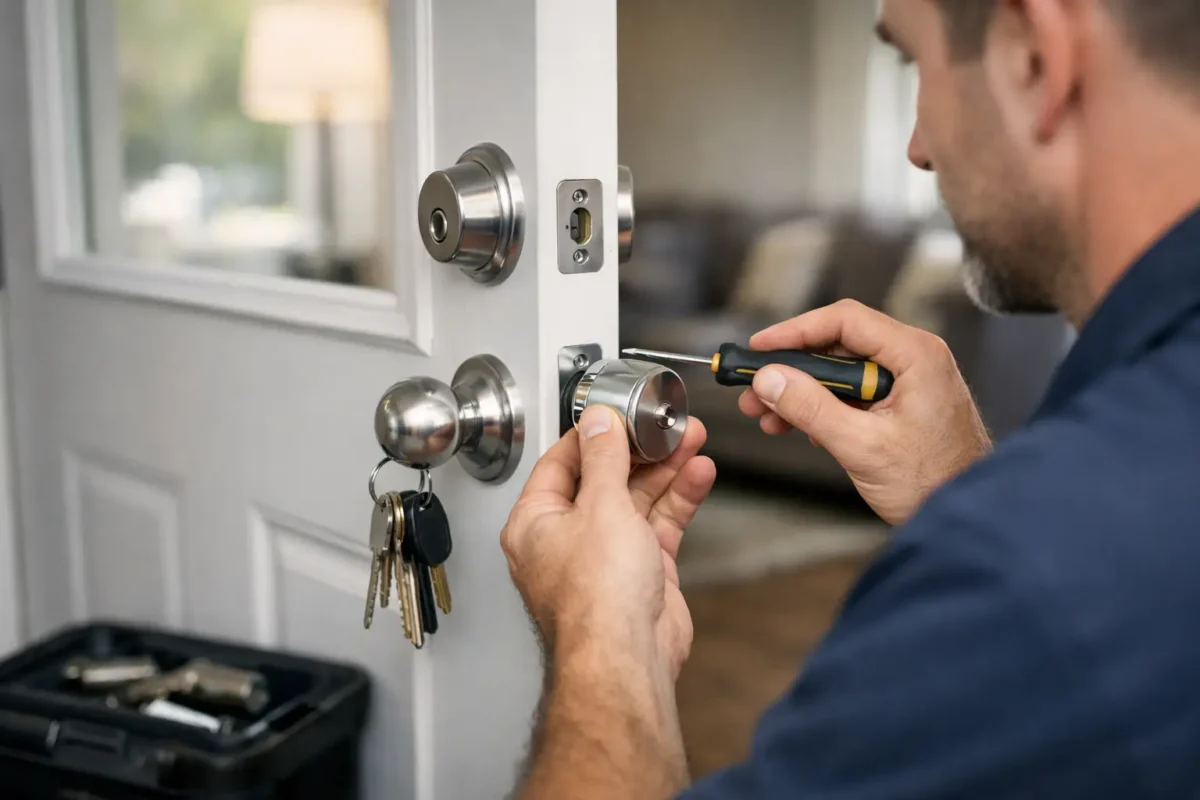
A front door that no longer locks, keys that disappeared with a stolen bag, or damage after a break-in can turn a normal day into a security problem fast. An emergency lock change restores control over who can enter your home, business, or rental property when waiting is not a good option.
The right response depends on what happened. Sometimes replacing the entire lock is necessary. In other cases, rekeying the existing hardware gives you the security you need without changing every piece of door hardware. The priority is identifying the risk, securing the property, and choosing a solution that works correctly the first time.
When an Emergency Lock Change Makes Sense
A lock change is often the right call when the lock itself has been damaged, worn out, or compromised. After an attempted break-in, for example, a deadbolt may look usable but have internal damage that affects how it latches or turns. A professional inspection can determine whether the hardware is still reliable or should be replaced.
Lost or stolen keys are another common reason to act quickly. If the keys had an address, business identification, vehicle registration, or anything that connects them to your property, the risk is higher. Even if you think the keys were simply misplaced, changing the locks or rekeying them removes the uncertainty.
An emergency lock change may also be needed after a tenant moves out under difficult circumstances, an employee with key access leaves unexpectedly, or a contractor fails to return a key. For a business, the issue may involve a restricted office, stockroom, server room, or exterior entry. For a homeowner, it may be a garage door, side door, mailbox, or gate that gives someone another way onto the property.
Mechanical failure is just as urgent as a security concern. A key that turns without operating the latch, a lock cylinder that spins, a deadbolt that sticks, or a broken key inside the lock can leave a door unsecured or unusable. Forcing the key or repeatedly turning the lock can cause more damage. A mobile locksmith can assess the hardware on-site and replace damaged components when needed.
Secure the Property Before Help Arrives
If there has been a break-in or you believe someone may still be nearby, move to a safe location and contact emergency services first. Do not stay inside a property if you feel unsafe, and avoid touching damaged doors, windows, or lock hardware more than necessary.
For a lost-key situation, check the obvious places, but do not delay action just because the keys might turn up later. If the keys are connected to your address or were taken from an unattended vehicle, treat them as potentially compromised. You can always keep the recovered keys as spares after the locks have been rekeyed or changed.
If the door will close and latch, keep it closed until service arrives. If it cannot be secured, use another safe entrance only if doing so does not create a greater risk. Property managers and business owners should also notify the people responsible for the building, especially when shared entrances, master key systems, or access-controlled doors are involved.
Take a clear photo of visible damage if you need documentation for a landlord, property manager, or insurance claim. Then focus on getting the entry point professionally secured. A temporary fix may help for a short period, but it should not replace properly functioning lock hardware.
Emergency Lock Change or Rekeying?
These services solve different problems. A lock change replaces the existing lock or lock cylinder with new hardware. Rekeying changes the internal pins of a compatible lock so old keys stop working and new keys operate the same hardware.
Rekeying is often a practical choice when the lock is in good condition and you want to stop old keys from working. It can be especially useful after moving into a home, taking over a commercial space, or recovering from missing keys. It also allows you to keep matching finishes and existing door hardware when there is no damage to the lock.
Changing the lock makes more sense when the hardware is broken, outdated, visibly damaged, or not providing the level of security you need. A property owner may choose a new deadbolt after a forced entry, upgrade from basic hardware to a higher-security option, or replace a lock that has become unreliable over time.
There are trade-offs. Rekeying can preserve good hardware and reduce unnecessary replacement. A lock change can address structural damage and give you an opportunity to improve security. The best option depends on the condition of the door, lock type, key control needs, and whether the entry is residential, commercial, or part of a larger access system.
What a Professional Locksmith Checks On-Site
A proper emergency service call is about more than making a new key. The locksmith should look at the full entry point, including the lock, strike plate, door frame, hinges, latch alignment, and any signs of forced entry. A strong lock cannot do its job if the door frame is split, the strike screws are loose, or the bolt does not align with the opening.
For homes, the focus is usually exterior doors, garage access doors, mailboxes, and gates. If you recently moved in, it is wise to consider every lock that uses the same old key. Changing only the front door while leaving the side and garage entries on the old key may leave an avoidable gap.
For businesses, access control can be more complex. The locksmith may need to consider employee keys, master key systems, panic hardware, ADA-compliant door hardware, restricted areas, and electronic access. Replacing one lock without considering who has access elsewhere can create operational problems. A clear plan keeps the property secure without disrupting normal work more than necessary.
BS Locksmith provides mobile locksmith service for urgent residential and commercial lock concerns across Aurora, Federal Heights, Denver, and surrounding communities. On-site service matters when the problem involves a damaged door, an unknown key risk, or hardware that needs to be inspected before the right repair can be selected.
Do Not Make the Situation Worse
When a lock is failing, the temptation is to force it open, drill it, remove screws, or use an online trick that may not apply to your hardware. Those attempts can damage the door, the frame, the lock, or the surrounding trim. They can also turn a rekeyable lock into a full replacement job.
Avoid using excessive force on a key that is stuck or difficult to turn. Do not spray random household lubricants into the cylinder, particularly if the lock has an electronic component or is part of a smart lock system. If a key is broken inside the keyway, leave the pieces in place until they can be removed with the right tools.
Smart locks need a slightly different approach. A dead battery, programming issue, failed keypad, or damaged exterior assembly does not always require replacing the entire lock. In some cases, the mechanical key override, battery contacts, or installation alignment is the real issue. A locksmith can determine whether repair, reprogramming, or replacement is the sensible next step.
Prevent the Next Lock Emergency
Once the immediate problem is fixed, a few practical decisions can reduce the chance of another urgent call. Keep spare keys with a trusted person rather than hiding one outside. Update locks after a move, staff change, or turnover if key control is uncertain. For businesses, maintain a clear record of who has keys and which doors they open.
Consider whether your current setup makes daily access harder than it needs to be. A properly installed smart lock can help some households manage codes instead of extra physical keys. A commercial access control system can make it easier to remove access when staffing changes. These upgrades are not necessary for every property, but they can be useful when keys regularly change hands.
The goal after any lock emergency is simple: leave the property with a door that closes properly, a lock that works reliably, and a clear understanding of who has access. When something feels compromised, acting promptly gives you the best chance to restore security before a stressful problem becomes a larger one.