
Fleet Key Replacement for Denver Businesses
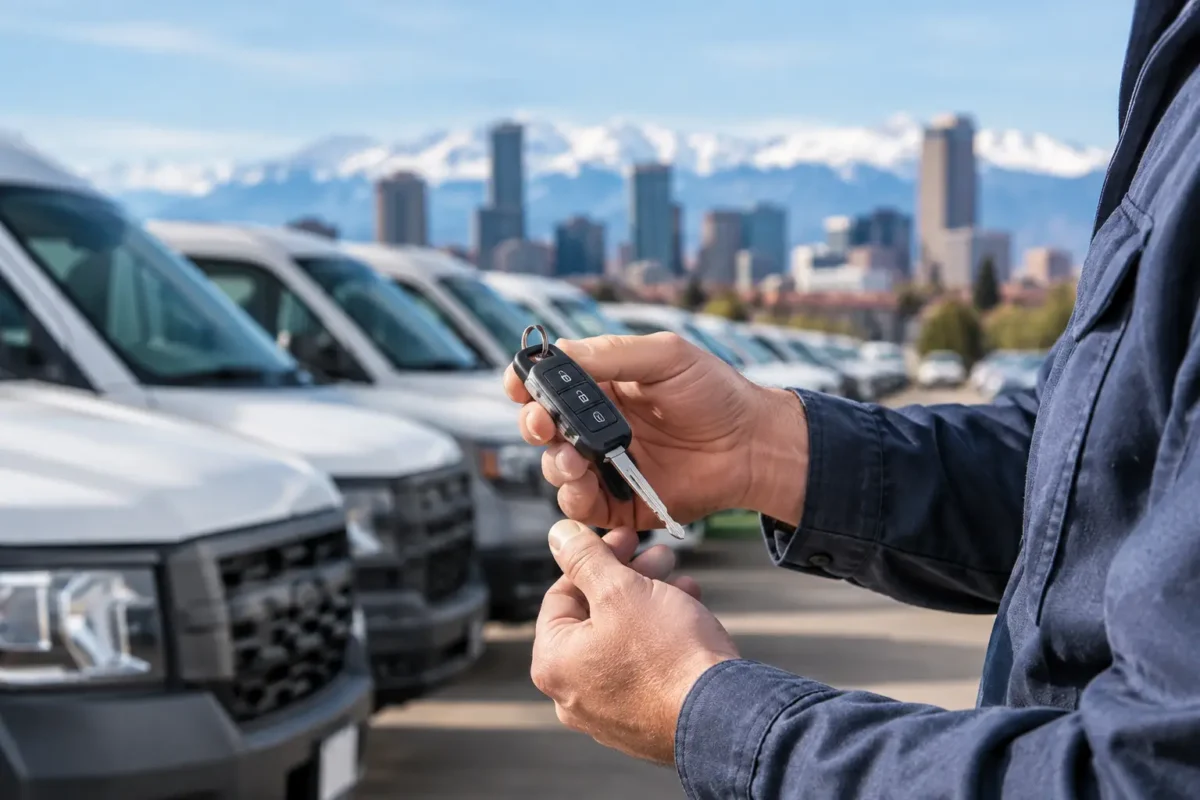
A missing work-van key can stop more than one vehicle. It can delay a technician, leave equipment inaccessible, force dispatch to reshuffle routes, and create a security concern if the key was lost with identifying information. Fleet key replacement is not just a matter of cutting another key. For most business vehicles, it means matching the correct key type, programming it when needed, and making sure a lost key does not remain a risk.
For Denver-area contractors, delivery teams, property managers, and service businesses, the best response depends on the vehicle, the key system, and whether the situation is urgent. A capable mobile locksmith can handle many fleet key issues on-site, helping get the vehicle back into service without the added complication of arranging a tow.
When fleet key replacement becomes urgent
The obvious situation is a lost key, but fleet vehicles also need replacement keys after a fob is damaged, a key blade breaks, buttons stop working, or an employee leaves without turning in assigned keys. A key that still starts the vehicle but has a cracked shell or weak battery should not be ignored. It may work one day and fail the next, often when the vehicle is far from the office.
There is also a difference between losing the only working key and needing an extra key while one is still available. When no working key remains, the locksmith may need to create a key from vehicle information, access the vehicle without damage, and program a new transponder key or remote fob. That process can vary by make, model, model year, and security system.
If the missing key had a tag with a company name, unit number, address, or vehicle details, treat it as a security issue. A replacement key gets the vehicle moving, but it may not remove access from the missing key. Depending on the vehicle, the proper fix may include deleting lost keys from the vehicle’s memory and programming only the keys that should remain active.
What type of key does your fleet vehicle use?
Fleet key replacement starts with identifying the system in the vehicle. Older work trucks and vans may use a standard metal key with no electronic chip. These are generally simpler to duplicate, although the lock and ignition must still be in good condition.
Many late-model fleet vehicles use transponder keys. A transponder contains a chip that communicates with the vehicle’s immobilizer. The key can be cut correctly and still fail to start the engine if that chip is not programmed to the vehicle.
Other vehicles use remote-head keys, key fobs, or proximity smart keys. A remote-head key combines a metal blade with lock and unlock buttons. A proximity key allows push-button starting when the fob is inside the vehicle. These systems offer convenience, but they require the right equipment and programming knowledge when a key is lost or replaced.
The practical takeaway is simple: do not assume any hardware-store duplicate will operate a fleet vehicle. It may open the door but fail to start the engine, or it may lack the remote functions your team relies on. Before requesting service, have the vehicle’s make, model, year, and VIN available if possible. That helps confirm the right replacement method.
Why programming matters
Programming is the step that pairs an electronic key, chip, or fob with a specific vehicle. It is what allows the vehicle to recognize the new credential as authorized. On some models, programming can also remove previously programmed keys that are no longer accounted for.
This matters most after theft or an unreturned key. Simply adding a new key may restore operation, but it may leave the old key active. Ask whether your vehicle supports removal of lost or unauthorized keys from the system. The answer depends on the manufacturer and vehicle configuration, but it is a worthwhile question for any business trying to control vehicle access.
A practical response when a fleet key goes missing
First, confirm whether the key is actually missing or locked inside the vehicle. If it is locked in, professional vehicle entry can restore access without unnecessary damage to the door, lock, or weather stripping. Avoid improvised tools that can scratch paint, bend door frames, or damage side-curtain airbags and electronic components.
Next, identify the driver, vehicle, location, and available backup key. If the vehicle is safely parked and a spare is nearby, a planned replacement may be the sensible choice. If the vehicle is blocking a job, carrying essential equipment, or parked in an insecure area, mobile locksmith service is usually the better route.
Have proof of ownership or authorization ready. For company-owned vehicles, that may include registration, fleet documentation, or authorization from a manager. This protects the business and ensures keys are only made for legitimate users.
Finally, document the incident. Record the vehicle number, key type, date, employee assigned to the vehicle, and whether the missing key was erased from the vehicle system. A short record prevents uncertainty later, especially when several supervisors, drivers, or office staff manage the fleet.
Prevent repeat key emergencies
The least expensive disruption is the one that never takes a vehicle out of service. A simple key-control policy can prevent many avoidable calls. It does not need to be complicated, but it needs to be followed consistently.
Keep at least one tested spare for every active vehicle, stored separately from the vehicle and clearly matched to its unit number. A spare locked in the glove box is not a true backup when the original key is lost. For higher-use vehicles, keeping an additional programmed key at the office can be a practical safeguard.
Use a sign-out process for keys and fobs. This can be a paper log, a secure key cabinet, or a digital record, as long as managers can quickly see who has each vehicle credential. Require keys to be returned during offboarding, vehicle reassignment, and extended leave.
It also helps to label keys carefully without putting sensitive information directly on them. A full company address, vehicle VIN, or exact parking location on a key tag can create unnecessary exposure if the key is lost. Use an internal unit number that only your team can identify.
For fleets with frequent turnover, consider whether a physical key system alone is still the right fit. Some businesses benefit from access-control processes around key storage, while others may want to explore vehicle systems that support managed credentials. The right choice depends on fleet size, vehicle age, driver turnover, and how much access needs to be controlled.
Plan replacements before the next breakdown
Waiting until the last key is gone puts the business in a reactive position. A better approach is to inspect fleet keys during routine vehicle checks. Look for worn blades, damaged buttons, cracked cases, loose key rings, and fobs that only work intermittently. Replace questionable keys before they become an after-hours problem.
It is also smart to verify that each spare actually starts its assigned vehicle. A key may be physically present but unprogrammed, programmed to another vehicle, or too worn to work reliably. Testing it at the shop or office is far easier than discovering the issue at a job site.
For businesses in Aurora, Federal Heights, Denver, and nearby communities, BS Locksmith provides mobile automotive locksmith service for lost keys, replacement car keys, transponder programming, key fob programming, and vehicle lockout assistance. The goal is straightforward: restore access, provide the correct key solution, and help your team get back to work.
A fleet runs on schedules, people, equipment, and vehicles that need to start when they are supposed to. Keeping working spares, tracking assigned keys, and acting quickly when one disappears gives your business a lot more control over a problem that can otherwise stop the day cold.