
Garage Locks: How to Secure the Door You Use Most
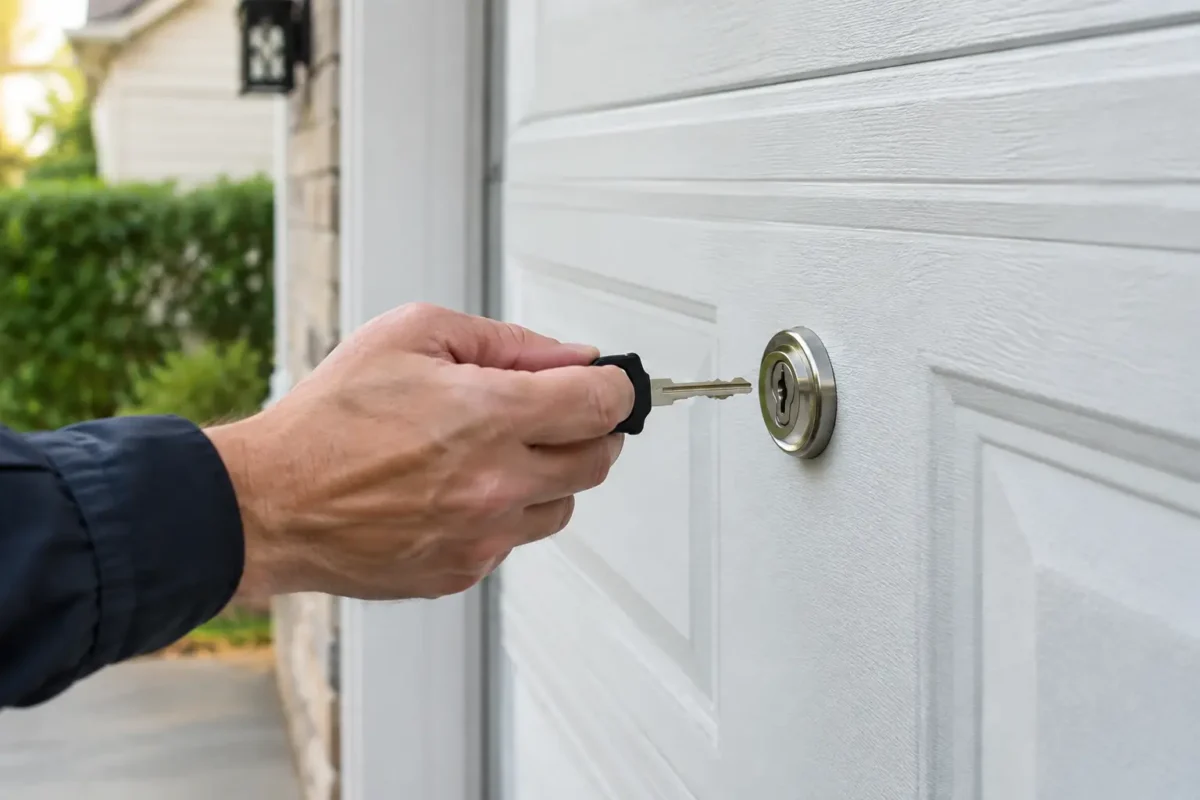
A garage is often treated like a storage room, but it can be a direct path into your home. Garage locks deserve the same attention as the locks on your front and back doors, especially if the garage holds tools, vehicles, bikes, or an interior entry door. A weak, damaged, or outdated lock can turn a minor security gap into an easy access point.
The right solution depends on how your garage is used. A detached garage needs strong perimeter security. An attached garage needs protection at both the exterior door and the door leading into the house. If you have recently moved, lost keys, had a break-in concern, or noticed a lock sticking, it is worth addressing the issue before it becomes an urgent lockout or security problem.
Which Garage Locks Matter Most?
Most garages have more than one door, and each one needs to be considered separately. The overhead garage door may be operated by a remote, while a side service door usually has a keyed lock. For an attached garage, the interior door between the garage and the home is another important layer of protection.
A standard overhead door opener is convenient, but it should not be the only security measure you think about. Modern openers can use rolling codes and app controls, yet the physical condition of the door, track, emergency release, and exterior access points still matters. If the garage door does not close fully or can be lifted or forced open easily, the problem may go beyond the remote or keypad.
The side or service door is frequently the weakest point. These doors are sometimes fitted with basic knob locks, worn deadbolts, loose strike plates, or hollow frames. A keyed deadbolt paired with solid hardware is usually a better choice for a door that provides direct access to the garage. If that door is exposed to weather, choose hardware designed to handle moisture and temperature changes.
For an attached garage, do not overlook the door into the house. Locking it consistently adds a valuable barrier if someone gets into the garage through an opener remote, an unsecured side door, or a damaged overhead door.
Repair, Rekey, or Replace?
Not every garage lock issue calls for a full replacement. The best choice comes down to the lock’s condition, the key control you need, and the level of security the door requires.
Rekeying is a practical option when the lock itself works well but you want old keys to stop working. This is especially useful after moving into a home, ending a tenant arrangement, losing a key, or giving keys to contractors who no longer need access. A locksmith changes the internal pins so the existing lock works with a new key. You keep the hardware while restoring control over who can enter.
Repair makes sense when a quality lock is sticking, misaligned, or difficult to turn because of wear, shifting doors, or a loose strike plate. Colorado weather can affect door alignment over time, and forcing a key into a resistant lock may break the key or damage the cylinder. In many cases, correcting alignment and servicing the hardware can restore smooth operation.
Replacement is the better move when the lock is severely worn, damaged, compromised after a break-in attempt, or too basic for the door it protects. It is also worth replacing a lock if replacement keys are difficult to control or if the lock no longer matches your security needs. A garage containing expensive equipment, business inventory, or a door leading directly into a home may need stronger hardware than a simple storage shed.
Signs Your Garage Lock Needs Attention
Security problems often show up as small inconveniences first. Do not wait until the key will not turn or the door will not close at all. Check your garage doors if you notice any of these issues:
- The key sticks, spins, bends, or requires repeated attempts to work.
- The deadbolt does not extend fully into the frame or only works when the door is pushed or pulled.
- The lock, strike plate, hinges, or door frame feels loose.
- You cannot account for all copies of the garage key or opener remote.
- The garage door opener behaves inconsistently, or the door reverses and will not close securely.
A lock that works only under the right conditions is not dependable security. It is also a common source of preventable lockouts. Addressing the problem while you still have access gives you more options than dealing with a broken lock after hours or during bad weather.
Choosing Better Security for a Garage Door
There is no single best lock for every garage. The right hardware should fit the door construction, exposure, access needs, and the value of what is inside.
For a side entry door, a properly installed deadbolt is often the starting point. The strength of the installation matters as much as the lock itself. A solid strike plate secured into framing provides more resistance than hardware held only by short screws in the trim. If the door frame is damaged, replacing only the lock may not solve the problem.
Smart locks can work well on certain garage service doors, particularly for homeowners who want to stop carrying spare keys or who need to grant temporary access. They can be useful for family members, housekeepers, or service professionals, but they are not a replacement for a sound door and frame. Battery maintenance, compatible door hardware, and a dependable manual key backup should all be part of the decision.
For overhead garage doors, the opener’s security features should be reviewed along with physical door condition. Keep remotes out of sight in parked vehicles whenever possible. If a remote is lost or a vehicle is broken into, erase the old remote from the opener and program a new one. Many homeowners remember to change a house key but forget that an old garage remote can provide access just as easily.
A manual slide lock or additional physical lock may be useful for a detached garage that is not being used regularly. The trade-off is convenience: a manually secured overhead door cannot be operated normally by the opener until the lock is disengaged. This can be a sensible choice for seasonal storage, but it is not ideal for a garage used every day.
Common Garage Security Mistakes
Leaving the interior house door unlocked is one of the most common mistakes with attached garages. People often assume that a closed overhead door is enough protection. It is better to treat the garage as an exterior area and secure the interior entry door accordingly.
Another problem is hiding spare keys in predictable places. A key under a mat, on a nearby ledge, or inside an unlocked vehicle does not provide useful security. If family members need reliable access, consider properly managed keys, a keypad, or a smart lock on a compatible service door.
Some property owners also focus on the lock while ignoring the door itself. A deadbolt cannot compensate for a cracked frame, warped door, weak hinge screws, or a strike plate that no longer lines up. Security is a system: the lock, key control, frame, door, hardware, and daily habits all need to work together.
For rental properties and small businesses, key control becomes even more important. Rekeying between tenants, employees, or contractors helps prevent old keys from circulating. If several people need access, an access control solution or keypad may reduce the need for copied keys and make it easier to change access when circumstances change.
When to Call a Locksmith
Call for professional help when a garage lock has failed, a key has broken in the cylinder, the door has been damaged, or you need to restore access without causing more harm to the hardware. A locksmith can also help with planned upgrades, including rekeying several doors to work with one key where appropriate, replacing damaged deadbolts, installing smart locks, and reviewing problem areas around a garage entry.
For homeowners and property managers in Aurora, Federal Heights, Denver, and nearby communities, BS Locksmith provides mobile assistance for garage-related lock issues, rekeying, lock changes, and security upgrades. The goal is straightforward: get the door working properly and make sure the people with access are the people who should have it.
Start with the door you use every day but may rarely inspect. Test the lock, check the frame, account for every key and remote, and fix small issues before they leave your garage or home exposed.