
Garage Door Lock Guide for Home Security
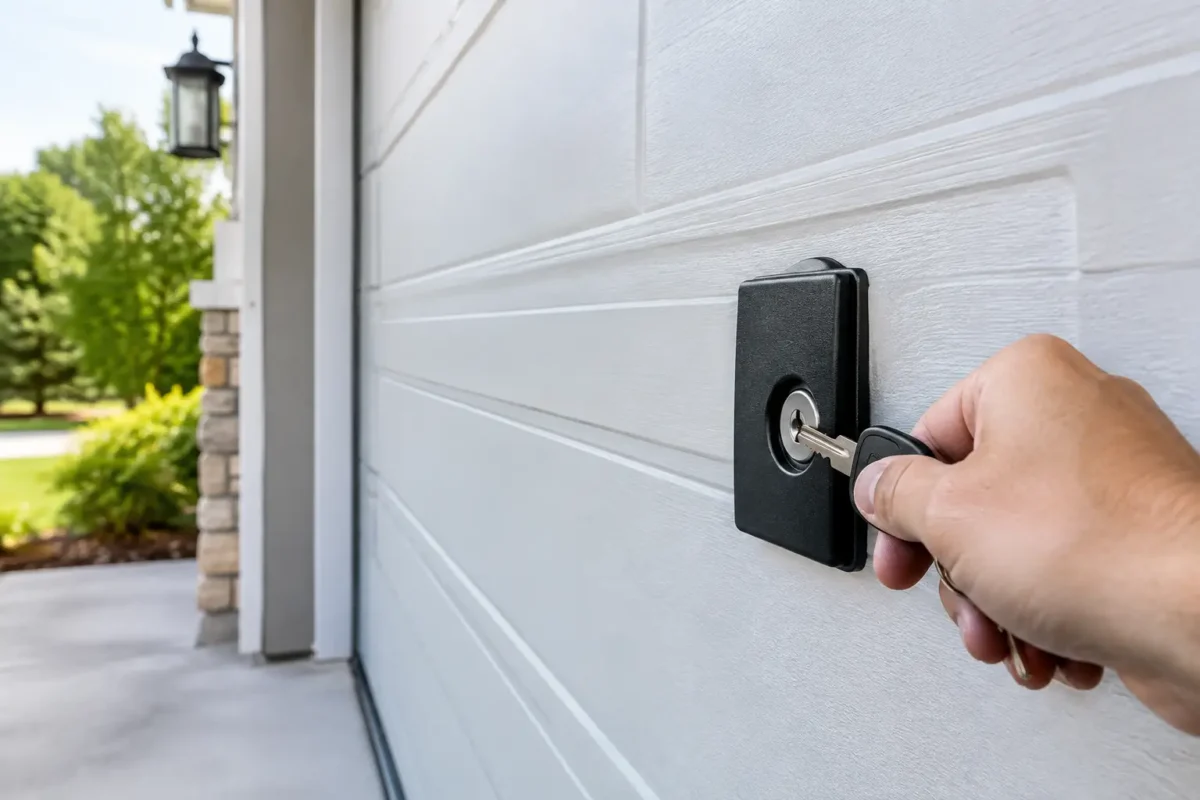
A garage is often the largest entry point into a home, yet its lock is easy to overlook. This garage door lock guide explains what actually secures your garage, when a basic lock is enough, and when it is time to make a change. The right answer depends on your door style, whether the garage connects to the house, and what you keep inside.
A locked overhead door can protect vehicles, tools, bikes, lawn equipment, and the interior door leading into your home. But a lock only works if the door, hardware, remote controls, and access habits all support it. A stiff lock, a missing key, or an old remote left in a parked car can create a security gap when you least expect it.
Garage Door Lock Guide: Start With Your Door Type
Not every garage door uses the same locking hardware. Before buying a replacement lock or adding security, identify the type of door and how it opens.
A sectional overhead door is the most common style in Denver-area homes. It rolls up on tracks and is usually operated by a motor. Many automatic overhead doors do not use a traditional keyed exterior lock at all. Instead, the opener holds the door closed, while the emergency release provides manual operation from inside. A keyed lock may be added for extra protection or when the opener is not in use.
A manual overhead door may use a center lock with a handle on the outside. Turning the key or handle moves bars into the horizontal tracks on both sides of the door. This is commonly called a T-handle lock. It is practical because it secures both sides of the door, but worn cables, rods, or latches can keep it from engaging correctly.
Swing-out garage doors typically use a deadbolt, rim lock, hasp, or paired surface-mounted locks. These doors need locking points that resist prying at the meeting edge and hinges that cannot be removed from the outside. Sliding garage doors may use a keyed sliding-door lock or a heavy-duty padlock-and-hasp setup.
The lock should match the door. Installing the wrong type of hardware can damage the door, interfere with its operation, or give a false sense of security.
Know What Your Existing Lock Is Telling You
Garage door locks rarely fail without warning. If the key sticks, the exterior handle turns loosely, the locking bars do not reach both tracks, or the door rattles after locking, the hardware needs attention. Do not force a key or handle. A small issue can bend internal parts, snap a key, or leave you unable to secure the garage.
Rust is another common problem, especially on older doors and exposed hardware. Colorado’s changing temperatures can also affect alignment. A door that shifted slightly on its tracks may no longer line up with the lock bars. In that case, replacing only the cylinder may not fix the real problem.
If keys have been lost, stolen, or left with a former tenant, contractor, or employee, treat the situation as a security issue rather than a key-copying problem. Rekeying or changing the lock restores control over who can enter. This matters even more for an attached garage, where access may lead directly to the house.
Choosing Between Rekeying, Replacing, and Upgrading
Rekeying is usually the right move when the lock is in good physical condition but you need old keys to stop working. A locksmith changes the internal pin configuration so the existing hardware works with a new key. It is often a sensible option after moving into a home, changing tenants, or losing track of spare keys.
Replacing the lock makes more sense when the cylinder is damaged, the keyway is worn, the handle is loose, or the hardware is corroded. For a T-handle lock, that may mean replacing the handle assembly and inspecting the lock bars at the same time. A new lock is only as reliable as the hardware it connects to.
An upgrade may be worth considering if your garage contains expensive equipment, serves as a side entrance, or is detached and out of view. Higher-security cylinders can better resist common forced-entry methods. Reinforced strike areas, track shields, and better latches can also help, depending on the door style.
For an automatic garage door, consider the full access system. A modern opener with rolling-code technology can reduce the risk of an old remote being copied. A keypad lets family members enter without carrying keys, but the code should be changed when household access changes. Smart garage controls can send door-status alerts, which is useful for homeowners who regularly wonder whether they closed the garage after leaving.
Technology adds convenience, not immunity. Keep physical locks and the interior garage-to-home door in good condition as well.
Secure the Emergency Release Without Creating a Safety Problem
The emergency release is necessary. It allows you to disconnect an automatic opener and operate the door manually during a power outage or equipment failure. It should never be permanently disabled or blocked.
However, the release mechanism can be a concern on some doors with windows or gaps near the top panel. A qualified locksmith or garage door technician can assess whether a protective device is appropriate without preventing safe emergency operation. Avoid improvised fixes that make the release hard to use when someone needs to get out or when the opener fails.
Also check the door from the inside. The connecting door between an attached garage and the home should have a reliable deadbolt or quality lockset, especially if the garage is used for storage or commonly left open while family members are outside.
Everyday Habits That Protect Your Garage
A good lock can be undermined by simple oversights. Keep garage remotes out of vehicles parked outside whenever possible. If a remote is stored in a car, a break-in can give someone both the remote and your home address from registration documents or navigation history.
Close the garage before going to bed and before leaving the property. If your opener has a vacation or lock mode, use it when you are away for an extended period. That feature usually disables remote operation while preserving normal access from inside or through an authorized keypad, depending on the model.
Pay attention to spare keys. Do not hide one under a mat, near the garage frame, or in an obvious outdoor container. Give a spare only to people who need regular access, and recover it when that access ends.
For rental properties and small commercial garages, establish a clear key and remote policy. Track who has them, collect them when tenants or staff leave, and rekey when control is uncertain. This is simpler and safer than hoping every old key has been returned.
When to Call a Locksmith
Call for professional help when the key will not turn, a key breaks in the lock, the exterior handle spins, the lock bars will not engage, or you no longer know who has keys. A locksmith can identify whether the issue is the cylinder, handle, latch, alignment, or a broader access-control concern.
For homeowners in Aurora, Federal Heights, Denver, and nearby communities, BS Locksmith can provide mobile help for garage lock changes, rekeying, broken-key issues, and home security upgrades. A professional inspection is particularly useful after a move, a break-in attempt, or any situation where access to the garage is no longer under your control.
Your garage does not need the most complicated hardware to be secure. It needs a lock that fits the door, works reliably, and is backed by habits that keep keys, remotes, and access codes in the right hands.