
How to Program Key Fob: What Works and What Doesn’t
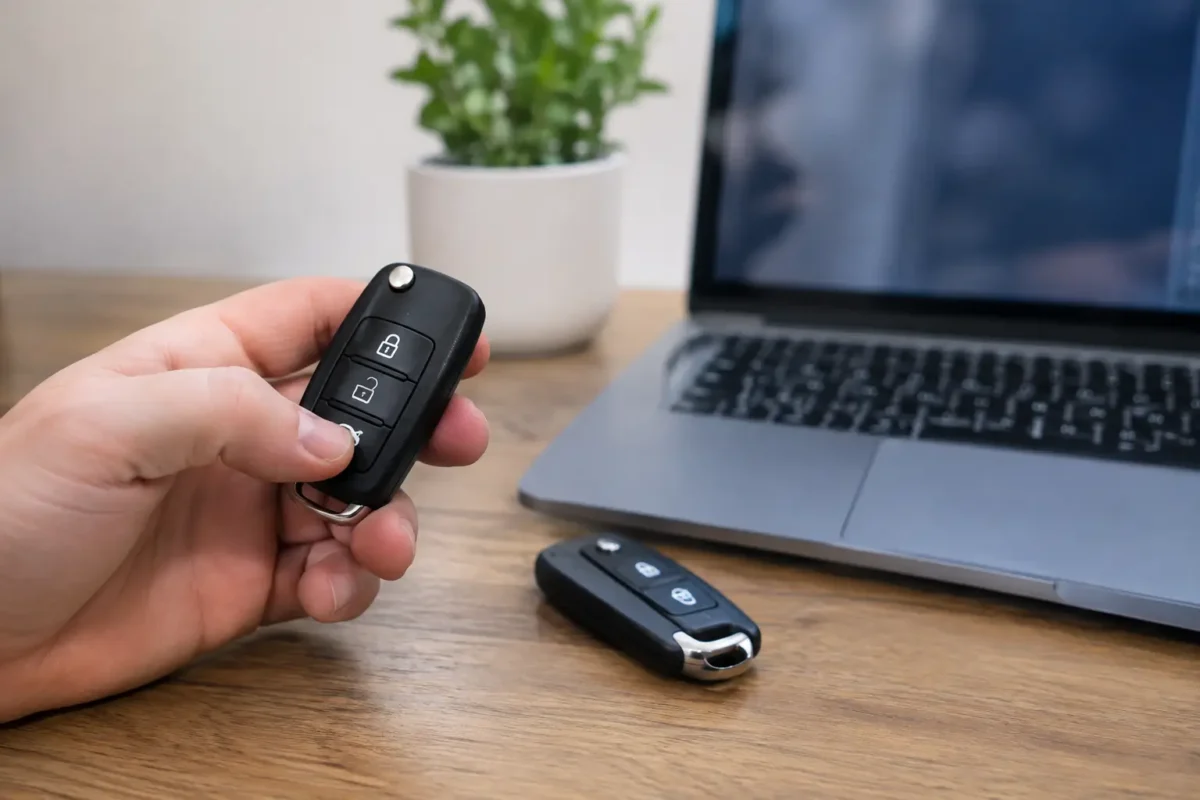
A replacement fob can look simple, but getting it to start your vehicle is often the hard part. If you are searching for how to program key fob instructions, start by identifying what kind of key you have. Some older remotes can be paired at home in minutes. Many modern vehicle fobs, transponder keys, and push-button start systems need professional diagnostic equipment to work correctly.
Before trying random button sequences from a video, make sure the replacement is compatible with your vehicle. The wrong fob may lock and unlock the doors but still fail to start the engine. A few careful checks can save time, prevent battery drain, and keep you from ending up with a vehicle that will not recognize its key.
What Your Key Fob Actually Does
The term “key fob” covers several different systems. A basic remote controls door locks, the trunk, panic alarm, or sliding doors. A transponder key has a small chip that communicates with the vehicle immobilizer. A proximity fob lets you keep the key in your pocket while the vehicle senses it nearby and starts with a button.
These functions are not always programmed the same way. On some vehicles, the remote-lock functions can be paired without tools while the transponder chip still requires a programming device. On others, all functions are tied together and must be added through the vehicle’s onboard computer.
Your owner’s manual may describe the type of key system installed in your vehicle. You can also compare the original fob’s part number, button layout, FCC ID, and key blade style with the replacement. Matching the vehicle make, model, and year alone is not always enough.
Check These Things Before You Program a Key Fob
First, install a fresh battery in the replacement fob. A weak coin-cell battery can make a new fob appear defective, even when it is compatible and correctly programmed. If your original remote still works only intermittently, replace its battery too before assuming the fob has lost programming.
Next, confirm whether your vehicle is already recognizing the fob. If the locks respond but the dash displays “Key Not Detected,” “No Key,” or a security indicator, the remote portion may be paired while the immobilizer chip is not. That is a programming issue, not a door-lock issue.
Also consider how many working keys you have. Some vehicles allow onboard programming only when two already-programmed keys are present. If all keys were lost, or if you only have one, a locksmith may need to access the vehicle’s security system with specialized equipment. This is common with newer cars, trucks, SUVs, and smart-key systems.
How to Program a Key Fob at Home When Your Vehicle Allows It
The correct sequence varies by manufacturer and model year. There is no single button pattern that works for every vehicle. Always use instructions written for your exact vehicle, not just the brand name.
For many older vehicles with a separate remote, the general process involves sitting in the driver’s seat, closing the doors, turning the ignition through a specific sequence, and pressing a button on the remote when the vehicle enters programming mode. A lock cycle, chime, or dash light may confirm that the vehicle accepted the remote.
Keep these practical points in mind while attempting a DIY procedure:
- Have every fob you want to use with you before starting. Some vehicles erase previously paired remotes when a new one is added.
- Follow the timing exactly. Many programming modes expire quickly if a door is opened, the ignition is turned too slowly, or a button is pressed late.
- Do not force the ignition or repeatedly crank the engine during a programming attempt.
- Stop if the security light stays on, the vehicle gives an unexpected warning, or the fob works only partly after several attempts.
If your vehicle uses a metal ignition key and a separate remote, home programming may be worth trying. If it has push-button start, a proximity sensor, laser-cut emergency key, or a key that must be inserted into a slot, DIY programming is less likely to work without the proper equipment.
Remote Programming Is Not the Same as Starting the Vehicle
This is where many drivers get stuck. You may successfully program the lock, trunk, and panic buttons, then find that the engine will not start. The vehicle is looking for a correctly coded transponder chip or smart-key credential, not simply a radio signal from the remote.
A transponder key must be registered to the immobilizer system. On modern vehicles, that process can require security access, a diagnostic programmer, and verification that the new key is an approved match. A locksmith can determine whether the key itself is incompatible, incorrectly cut, missing a chip, or simply not programmed to the vehicle.
Why Some Aftermarket Fobs Work and Others Do Not
Aftermarket key fobs can be a practical choice when they match the original specifications. However, quality and compatibility vary. A fob can have the same number of buttons as your original but use a different frequency, chip type, board design, or programming protocol.
Used fobs can be especially unpredictable. Some can be erased and reused, while others remain locked to the original vehicle. Damage from water, drops, worn buttons, or a corroded battery terminal can also make a used fob unreliable. When a vehicle key is part of your daily routine, a properly matched new replacement is usually the safer option.
When a Locksmith Is the Better Choice
Professional programming makes sense when the vehicle will not enter programming mode, the replacement key will not start the engine, or all working keys have been lost. It is also the right call for many push-button start vehicles, proximity fobs, European models, and late-model cars with advanced anti-theft systems.
A mobile automotive locksmith can come to the vehicle, verify the correct fob, cut an emergency key blade when needed, and program the remote and immobilizer functions together. That matters because a fob that only opens the doors does not solve the real problem if you still cannot drive away.
For drivers in Aurora, Denver, Federal Heights, and surrounding communities, BS Locksmith provides mobile key fob and transponder programming for many makes and models. A technician can diagnose whether the issue is the fob, battery, key blade, receiver, immobilizer, or vehicle battery before programming a replacement.
What to Have Ready for Key Fob Programming
Having the right information available makes the service process easier. Keep your vehicle registration, photo identification, make, model, model year, and vehicle identification number handy. A locksmith may also need to see any existing working key or fob.
These checks protect vehicle owners by confirming that keys are being made and programmed for an authorized person. They also help ensure the replacement matches the vehicle’s exact configuration. Trim level, ignition type, and production year can change the correct key even within the same model line.
Avoid Future Key Fob Problems
Once your fob is working, replace its battery at the first sign of reduced range or inconsistent response. Avoid leaving the fob in extreme heat, water, or direct sun for long periods. If you have a proximity key, do not store it next to other electronic devices that may interfere with its signal.
It is also wise to keep a spare programmed key or fob before you need one. A spare is useful after a lost key, damaged remote, dead battery, or accidental lockout. More importantly, it gives you a working reference key if your vehicle has a system that requires an existing programmed key for replacement programming.
The best way to handle a new fob depends on the vehicle, the type of key system, and whether you still have a working key. Start with compatibility and the correct instructions. If the vehicle needs more than a basic remote pairing, a properly programmed fob from a qualified mobile locksmith can get you back on the road without guesswork.