
Landlord Lock Change Guide for Rental Security
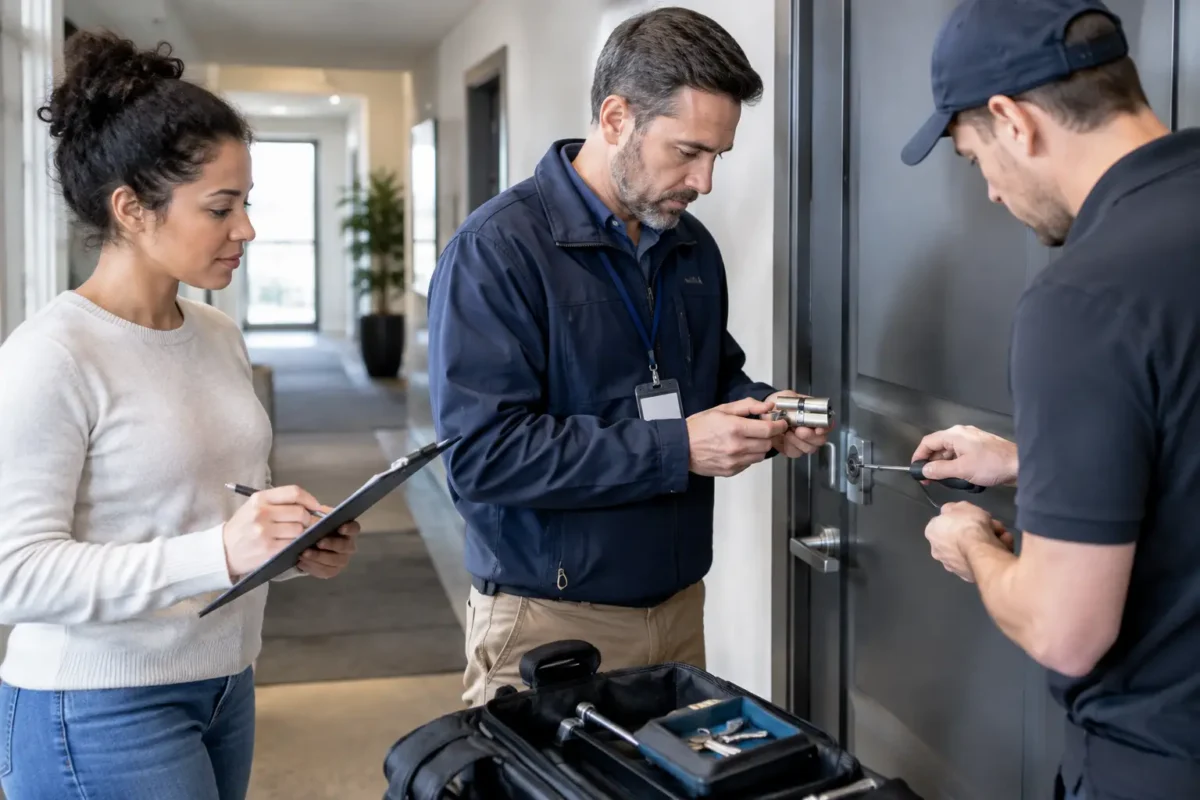
A tenant moves out, the keys are returned, and the unit looks ready for cleaning. But one question should come before the next showing: who else may still have a working key? This landlord lock change guide explains how property owners and managers can protect a rental property between tenancies, respond to security concerns, and make smart decisions about rekeying, replacement locks, and access records.
For a single rental home, this may be a straightforward turnover task. For a building or a growing portfolio, it is part of a larger access-control process. Either way, delaying lock work can leave a vacant unit exposed and create unnecessary liability if a former tenant, contractor, or unknown person still has access.
When landlords should change or rekey locks
The most common time to address locks is immediately after a tenant moves out and before a new tenant receives keys. Even when every issued key is returned, copies may exist. A former roommate, guest, dog walker, cleaner, or maintenance worker may have had access at some point. Rekeying or changing locks removes that uncertainty.
There are also situations that call for faster action. A lost master key, a break-in, a damaged deadbolt, an eviction, or a dispute involving unauthorized occupants should prompt a security review right away. If there are signs the lock has been forced, do not assume a new key alone solves the problem. The door frame, strike plate, hinges, and latch alignment may need attention as well.
In Colorado, landlords should also follow applicable state and local rules, lease terms, and proper notice requirements before entering an occupied unit or changing access. Lock changes should never be used to pressure a tenant, deny lawful access, or bypass the legal process for a removal. When a situation involves an eviction, abandonment, domestic violence protections, or a tenant who has requested a lock change, confirm the legal requirements before work begins.
Rekeying vs. replacing a rental property lock
Rekeying changes the internal pins in an existing lock cylinder so old keys no longer work. The hardware stays in place, but the lock operates with a new key. It is often the practical choice when the lock is in good condition, properly installed, and appropriate for the door.
Replacing a lock means installing new hardware. This is the better move when the existing deadbolt is worn, low quality, damaged, difficult to operate, or not providing the level of security the property needs. Replacement can also make sense when standardizing hardware across several units, moving to keyless entry, or upgrading exterior doors after a break-in.
The right choice depends on the condition of the hardware and the property’s access plan. Rekeying can be efficient during routine turnover. A lock change may offer better long-term value if you are repeatedly repairing old hardware or dealing with mismatched keys and unreliable cylinders.
Check the whole opening, not just the keyway
A strong deadbolt is only as effective as the door and frame around it. During a turnover inspection, test whether the bolt extends fully into the strike plate without sticking. Check for loose screws, a cracked frame, gaps around the door, and hinges that allow excessive movement.
For exterior doors, longer strike-plate screws that reach solid framing can improve resistance to forced entry when installed correctly. If the door is warped or the frame is damaged, simply rekeying the cylinder will not correct the underlying issue. A professional locksmith can identify whether the problem is the lock, the installation, or the door itself.
Build lock changes into every turnover checklist
A consistent process prevents missed steps when turnover work gets busy. Lock service should happen after the former tenant has fully surrendered possession and before new keys, codes, or remotes are issued. It should be documented alongside cleaning, repairs, smoke detector checks, and condition photos.
Start by collecting all keys, garage remotes, mailbox keys, fobs, and access cards. Record which items were returned, but do not rely on returned keys as proof that no copies exist. Next, rekey or replace exterior locks, then verify that each new key works smoothly from both sides of the door.
If the property has a shared entrance, storage room, laundry room, gate, or mechanical room, review those access points too. A former tenant should not retain access to common areas that are restricted after move-out. For multi-unit properties, it helps to keep a clear key-control system so maintenance staff can access units when authorized without creating a confusing ring of unmarked copies.
Keep an access record
Good key control is not complicated, but it must be consistent. Maintain a record of the keyway or lock location, the date it was rekeyed or replaced, who received keys, and how many were issued. For electronic locks, record the codes, credential holders, and the date old codes were removed.
Avoid labeling keys with a unit number and property address together. If a key is lost, that label can point someone directly to the door it opens. Use an internal code or key tag system that only your office can identify.
Smart locks can simplify rental access, with a plan
Smart locks can make turnovers easier for landlords who manage frequent showings, vendor visits, or short gaps between tenants. Instead of collecting physical keys from every contractor, a manager can issue and remove individual codes. Some systems also provide activity logs that help track when a code was used.
That convenience comes with responsibilities. Select hardware designed for exterior residential use, make sure it fits the door correctly, and establish who controls the account after each turnover. Delete former tenant codes, remove outdated staff access, and change the administrator credentials when management changes.
Battery maintenance matters too. A smart lock with weak batteries can become a maintenance call at the worst time. Keep backup mechanical keys where permitted and make sure tenants know what to do if the keypad, app, or battery fails. Smart locks are useful, but they still need a clear access policy and regular inspection.
Handle emergency lock changes without creating a bigger problem
Some calls cannot wait until the next planned turnover. A tenant may report that keys were stolen, a lock may be damaged during an attempted break-in, or a property manager may discover that a master key is missing. In those cases, secure the door first, then document what happened and determine whether other locks use the same key.
If one lost key opens multiple units or common doors, the problem may extend beyond a single lock. Rekeying affected cylinders promptly can prevent a small incident from becoming a property-wide security concern. This is one reason many landlords separate unit keys from keys used for common areas, supply rooms, and master access.
For damaged doors or commercial-style hardware, avoid forcing a repair with the wrong replacement part. Improperly installed locks can bind, fail to latch, or leave a door vulnerable. A mobile locksmith can assess the hardware on-site and provide the correct repair, rekey, or replacement based on the door’s condition.
When to call a professional locksmith
Landlords can handle simple key organization, but professional service is especially useful when a lock is damaged, keys are missing, several units need to be rekeyed, or the property uses restricted keyways, electronic locks, panic hardware, or access control. It is also a better choice when a door will not latch correctly or a tenant reports a security issue that needs immediate attention.
For rental owners and property managers in Aurora, Federal Heights, Denver, and nearby communities, BS Locksmith can provide mobile lock rekeying, lock changes, smart lock installation, and commercial access solutions. The goal is simple: restore control of the property’s access without adding delay or confusion to your turnover process.
A rental is ready for its next tenant when more than the floors are clean and the repairs are complete. Make lock service a standard part of every move-out, keep clear access records, and act quickly when keys or security are in question. That small step gives new tenants confidence from the moment they turn the key.