
How to Prevent Apartment Lockouts at Home
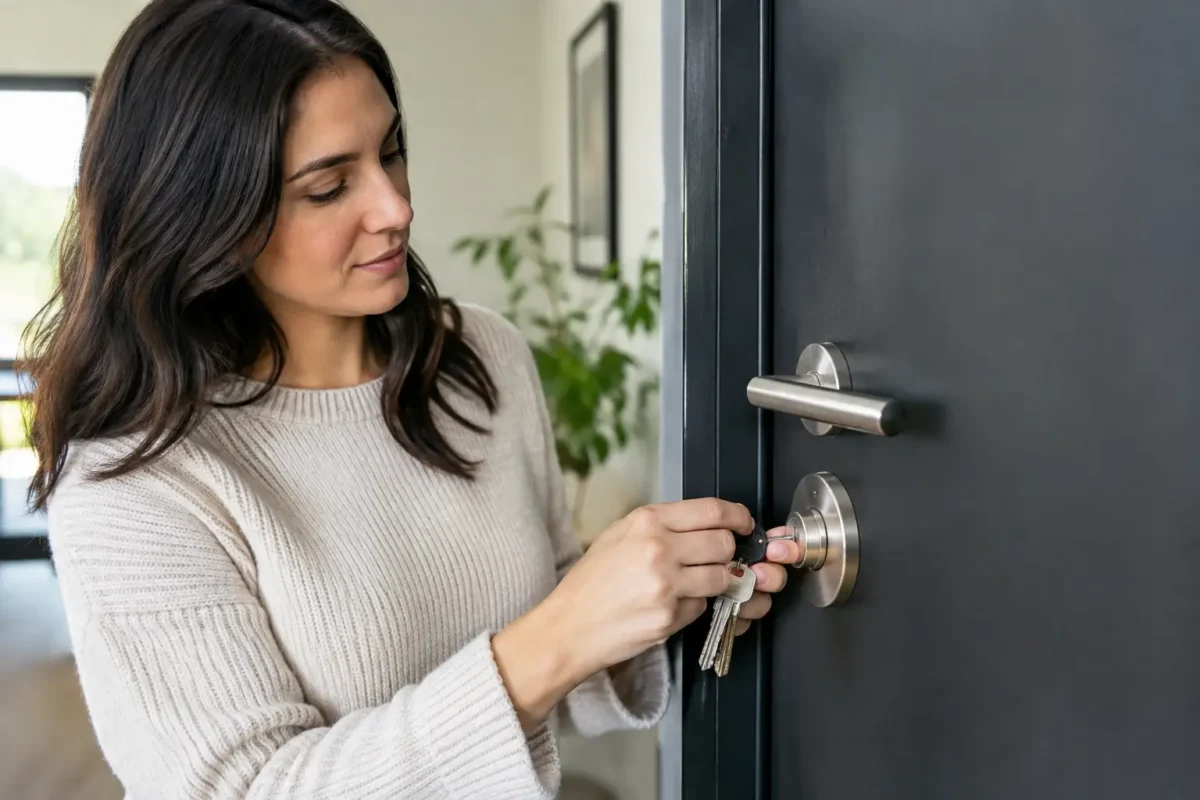
A lockout rarely starts with a dramatic mistake. More often, it is a rushed trip to take out trash, a door that locks behind you, or a key ring left on the kitchen counter during a busy morning. Knowing how to prevent apartment lockouts comes down to building a few practical habits before you need them. For renters, that means protecting your access without violating a lease or creating a security problem for yourself or your neighbors.
Make a Check Routine Part of Leaving Home
The simplest prevention method is also the one most people skip when they are in a hurry: check for your keys before the door closes. Create one routine that you follow every time you leave your apartment, whether you are headed to work, walking the dog, or stepping into the hallway for a minute.
Many renters use a quick pocket check: phone, wallet, keys. If you carry a fob, garage remote, or building access card separately, add that to the routine. The goal is not to make leaving home complicated. It is to make the check automatic enough that you notice when something is missing.
This matters most with self-locking doors. If your apartment door locks automatically when it shuts, do not pull it fully closed until your keys are in hand. When taking out trash or checking the mail, keep the key ring in your pocket instead of setting it down inside. A door can close faster than you expect, especially in a windy Colorado hallway or breezeway.
Give Your Keys One Home Inside the Apartment
Lost keys create the same problem as locked-in keys. Pick one visible, consistent spot near the main exit for your key ring, such as a wall hook, bowl, or small tray. Avoid places where keys disappear under mail, bags, or jackets.
A designated place also helps when several people share the apartment. Roommates, partners, and older children should know where household keys belong. That reduces the common scramble of assuming someone else moved them.
Keep a Spare Key, but Choose the Location Carefully
A spare key is useful only when it is accessible during a lockout and secure the rest of the time. Hiding one under a doormat, in a fake rock, or above a nearby door frame is not a good plan. Those locations are obvious, and they can put your apartment and personal property at risk.
A better option is to leave a spare with a trusted person who lives nearby and can be reached when needed. This might be a family member, close friend, or dependable neighbor. Before doing so, make sure that person is comfortable holding it and understands that it should not be labeled with your apartment number or full address.
If you live alone or do not have a nearby contact, ask your property manager about their policy. Some apartment communities keep an emergency key or have a process for helping verified residents regain entry. Others do not hold keys at all, particularly in larger buildings with controlled access. Know the policy before you are standing outside your unit.
Do not make an extra key without checking your lease if your building has restricted keys, electronic fobs, or patented keyways. Standard apartment keys can often be duplicated, but controlled systems may require authorization from management. A professional locksmith can help determine what type of key or access device you have and whether a replacement is appropriate.
Protect Your Fob, Card, and Building Access Credentials
Apartment lockouts are not always about a traditional key. Many Denver-area buildings use fobs, key cards, mobile credentials, or separate devices for the parking garage, lobby, elevator, and apartment door. Losing one item can leave you unable to enter the building even if your unit key is still in your pocket.
Keep access devices together when they are needed together. A compact key organizer, lanyard, or durable key ring can help, but avoid making the ring so heavy that it becomes easy to misplace or uncomfortable to carry. If you prefer to separate your car keys from your apartment keys, be deliberate about where each set stays.
It also helps to inspect fobs and cards occasionally. Cracked fobs, weak battery-powered remotes, and bent cards can fail without much warning. Report malfunctioning building-issued access devices to management rather than trying to force them or take them apart. A damaged credential may need to be deactivated and replaced to keep the property secure.
Use Smart Access Only When It Fits Your Lease and Routine
Smart locks can reduce the chance of a traditional key lockout, but they are not automatically the right answer for every apartment. Some renters benefit from keypad entry because they can use a code instead of carrying a key. Others prefer a lock with app-based access, temporary codes for guests, and a physical backup key.
The trade-off is that apartment door hardware may be controlled by the landlord or property manager. You may need written permission before changing a deadbolt, replacing a lock, or installing a smart lock. In some buildings, the exterior hardware must match community standards or work with a master-key system.
If smart lock installation is allowed, choose equipment with a physical key override and maintain it properly. Change batteries on schedule instead of waiting for a low-battery warning. Keep the backup key accessible through a safe, approved plan. Technology can add convenience, but it should not become a new single point of failure.
For shared apartments, smart access can be especially helpful when roommates have different schedules. Each resident can use an individual code rather than passing around one key. Still, codes should be changed when someone moves out, and access should be limited to people who need it.
Plan for Move-Ins, Move-Outs, and Roommate Changes
Access problems often show up during transitions. A new renter may receive only one working key, a previous roommate may not return a copy, or a fob may be missing after a move. Handle those details immediately instead of waiting until an urgent situation exposes the problem.
At move-in, test every key, fob, mailbox key, garage remote, and building access card. Confirm which devices open which doors. If anything does not work, document it and notify management right away. It is much easier to correct an access issue while the move-in process is still active.
When a roommate leaves, collect keys and access devices promptly. If you are authorized to do so, have codes changed and ask management to deactivate old fobs. This is not just about preventing lockouts. It is a basic security step for everyone still living in the unit.
Avoid Risky DIY Entry Attempts
When you are locked out, frustration can make a risky shortcut look reasonable. Trying to pry a door, remove a lock, force a window, or use improvised tools can damage the door frame, lock hardware, weather stripping, or glass. It may also create a lease violation or lead neighbors to mistake you for someone trying to break in.
If you cannot get in with an approved spare key or through your property’s established process, use a professional locksmith. A qualified mobile locksmith can verify access, assess the lock, and work to regain entry with the least disruption possible. If a key is broken, a lock is malfunctioning, or your key has been lost, the right service may also include key duplication, rekeying, or lock repair.
For renters in Aurora, Federal Heights, Denver, and nearby communities, BS Locksmith provides 24-hour mobile lockout assistance when prevention does not work out. Keep the number for a trusted local locksmith saved in your phone before an emergency happens.
The best lockout plan is not complicated: carry your access devices, pause before the door closes, keep an approved backup option, and address failing keys or locks early. A few seconds of preparation can save you from spending the rest of the day on the wrong side of your own front door.