
Best Locks for Front Doors for Denver Homes
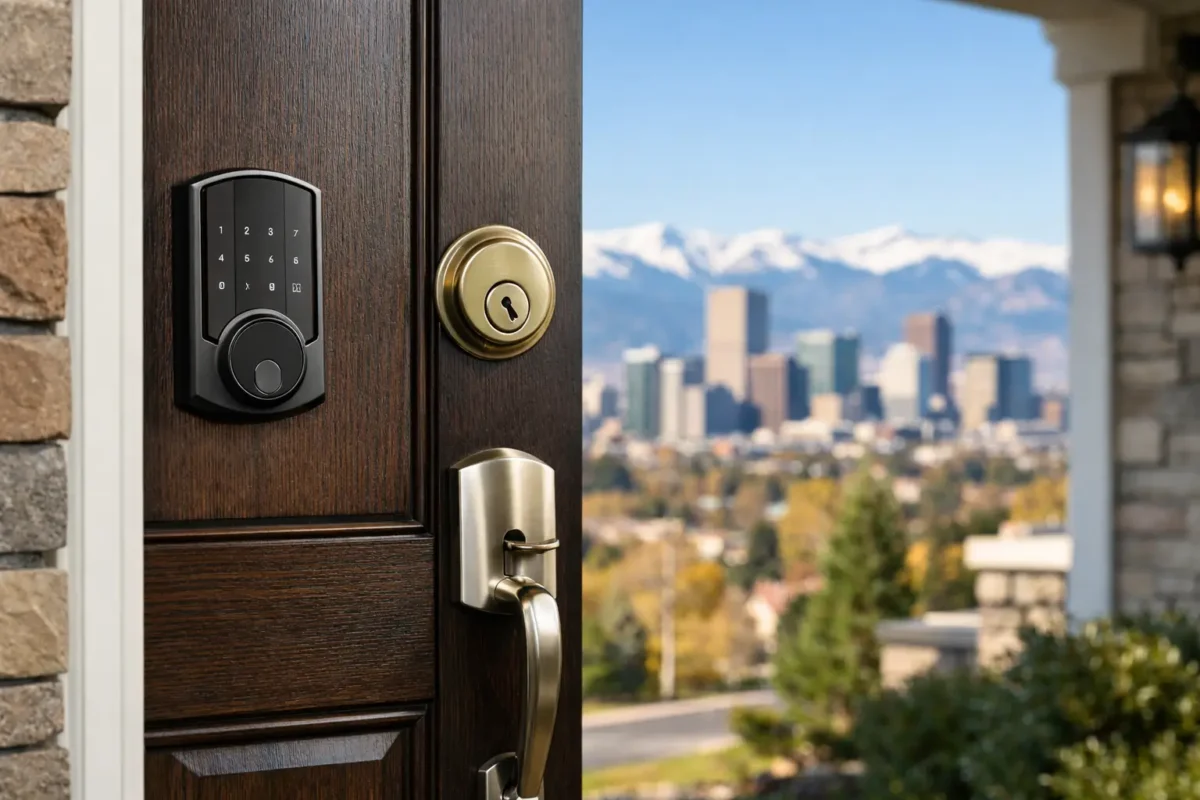
A front-door lock has one job: make it difficult for the wrong person to get in while remaining simple for your household to use every day. The best locks for front doors are not always the most expensive or the most high-tech. The right choice depends on your door, your daily routine, who needs access, and whether the lock is installed correctly.
For many homeowners, a quality deadbolt paired with a properly reinforced door frame is the best place to start. For others, especially busy families, rental property owners, or people who regularly let in cleaners, dog walkers, or relatives, a smart lock can add useful control. The goal is not to add hardware for its own sake. It is to close the weak points at your entry.
Start With the Door, Frame, and Hardware
A strong lock cannot fully compensate for a weak door or a loose strike plate. Before choosing a new lock, look at the full entry system. Is the door solid wood, fiberglass, or steel? Does it close tightly without rubbing? Does the deadbolt slide into the frame cleanly when the door is shut?
If you need to lift, push, or pull the door to lock it, the alignment needs attention. A bolt that does not extend fully into the strike plate is easier to force and can wear out the lock over time. Seasonal temperature changes and normal settling can affect door alignment, especially on older homes.
The strike plate is just as important as the lock itself. This metal plate sits on the frame where the deadbolt enters. A reinforced strike plate installed with long screws that reach the wall framing gives the bolt a much stronger point to hold against force. It is a practical upgrade that is often overlooked when homeowners replace only the lock.
The Best Locks for Front Doors Usually Start With a Deadbolt
For a typical single-family home, a single-cylinder deadbolt is the standard choice. It uses a key outside and a thumb turn inside, so a person inside can leave quickly without searching for a key. This matters during an emergency and keeps everyday use simple.
Look for a deadbolt with an ANSI/BHMA grade. Grade 1 is built for the highest level of residential and commercial-duty performance. Grade 2 is also a good option for many homes and is commonly used for standard residential security. Grade 3 locks are generally better suited to lower-risk interior uses or situations where security is not the main concern.
The grade is more useful than judging a lock by its finish or weight in the store. A polished handle may look solid, but the internal components, bolt construction, and testing standard are what matter when the lock is put under stress.
Single-cylinder vs. double-cylinder deadbolts
A double-cylinder deadbolt requires a key from both sides. Some homeowners consider one when there is glass close enough to the lock that someone could break it and reach the thumb turn. However, this option requires careful thought because it can slow exit during a fire or emergency. Building codes and local requirements may also limit where double-cylinder locks can be used.
For most front doors, a single-cylinder deadbolt combined with secure glass, a reinforced frame, and good exterior lighting is the more practical balance of security and safe exit.
Deadbolt and handle set combinations
A handle set can improve curb appeal and make the door easier to operate, but the keyed deadbolt should be the primary security lock. Avoid relying on the lock built into a basic knob or lever as your only protection. Knob locks are useful for keeping the door latched, yet their locking mechanism is not designed to provide the same resistance as a separate deadbolt.
If you choose a matching handle set and deadbolt, make sure the deadbolt is independently rated and that the two pieces fit your door’s existing bore holes and backset. A professional measurement before purchase can prevent an installation problem later.
When a Smart Lock Makes Sense
Smart locks are a good fit when convenience supports your security plan. Instead of handing out spare keys, you can give trusted people individual keypad codes or app-based access. You can remove a code when a tenant moves out, a service arrangement ends, or a family member no longer needs entry.
A keypad smart deadbolt can be especially helpful for households with kids who lose keys, property managers handling multiple doors, or homeowners who travel frequently. Many models still include a physical keyway as a backup, while others use emergency power contacts if the batteries run down.
Smart locks do involve trade-offs. They need battery monitoring, and some features depend on your phone, Wi-Fi connection, or a separate hub. Choose a lock with a clear manual override plan, and make sure everyone in the household knows how to operate it without an app. A smart lock should make access more manageable, not create confusion at the front door.
For exterior doors in Colorado, also consider the weather exposure. A lock that faces direct sun, blowing snow, or frequent temperature swings needs proper installation and regular checks. Keeping the bolt aligned and replacing batteries before they are low will prevent many avoidable lockouts.
Key Control Matters More Than Most People Think
A high-quality deadbolt is only as secure as the keys that open it. If you recently bought a home, moved into a rental, lost a set of keys, or gave keys to people you no longer need to have access, rekeying should be part of the plan.
Rekeying changes the lock’s internal pins so old keys no longer work. It is often a practical option when the existing hardware is in good condition but you need control over who can enter. Replacing the full lock makes more sense when the hardware is damaged, outdated, poorly installed, or does not meet the level of security you want.
Consider whether you want one key for the front, back, garage, and side doors. Keying locks alike can make daily life easier, but it should be done with compatible, quality hardware. A locksmith can also help you choose a keyway that gives you better control over duplicate keys when that is a concern.
Four Things to Check Before Buying a Front-Door Lock
Before selecting a lock, confirm these details so the hardware fits and performs as expected:
- Your door thickness, bore hole size, backset, and whether the door is left- or right-handed.
- The lock’s ANSI/BHMA grade and whether it is designed for exterior use.
- Whether the deadbolt, strike plate, and door frame will work together without forcing the door into alignment.
- How you want to manage access, including physical keys, keypad codes, temporary users, and emergency backup entry.
These details sound small, but they determine whether a lock works smoothly for years or becomes a daily frustration.
Installation Is Part of the Security Upgrade
Even the best front-door lock can underperform when it is installed loosely, misaligned, or paired with short strike screws. The bolt should extend fully into the frame without sticking. The exterior cylinder should sit securely in the door, and the interior thumb turn or keypad should operate without resistance.
Pay attention to the door frame around the strike plate. Splitting wood, loose trim, or a shallow bolt opening can limit the protection you expect from a new deadbolt. In some cases, the right fix is not a different lock. It is reinforcing the frame and correcting the alignment before installing the new hardware.
A professional installation is also useful for smart locks, multi-point hardware, decorative handle sets, and doors that have been drilled or repaired before. BS Locksmith can assess the door, install compatible hardware, rekey existing locks, and help homeowners in the Denver metro area choose a setup that fits their actual access needs.
Your front door should feel easy to use and hard to defeat. If the lock sticks, the key no longer feels secure, or you are unsure who still has a copy, treat that as a reason to inspect the entry now rather than after a problem forces the issue.