
7 Top Commercial Security Upgrades
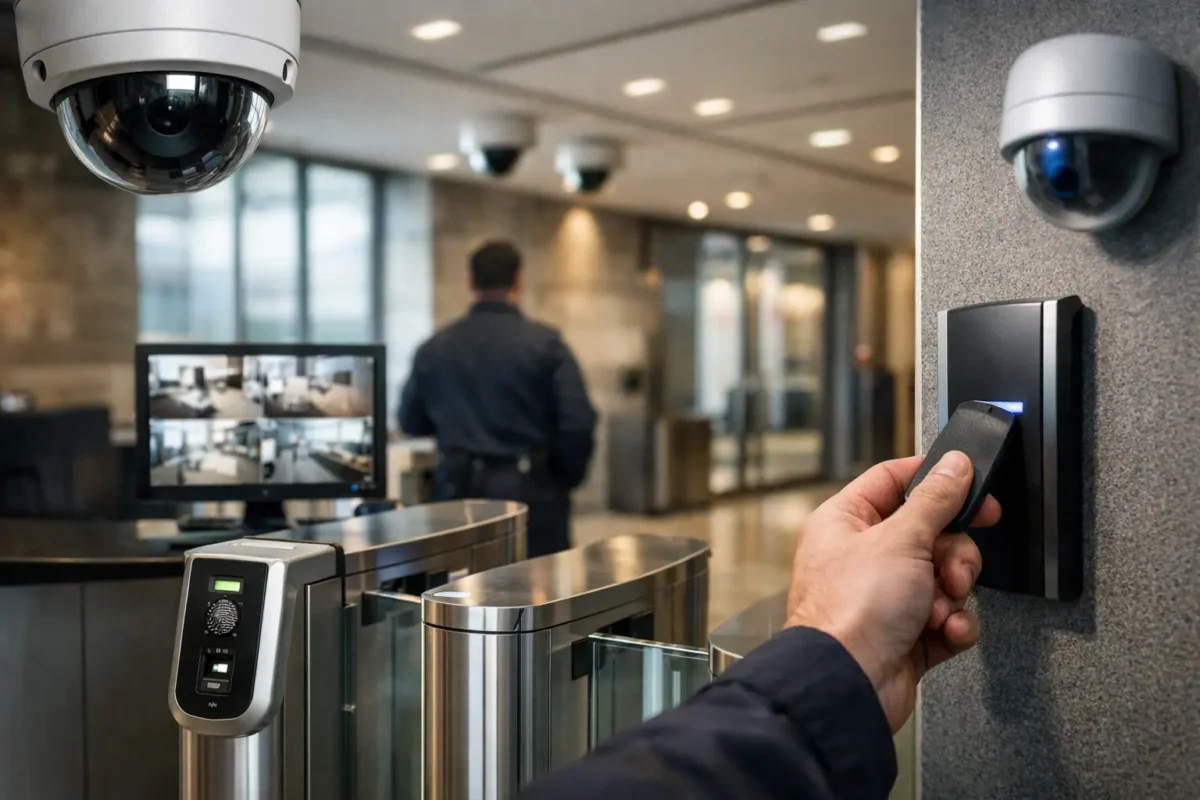
A front door that sticks, a back entry with an old deadbolt, and three former employees who may still have keys – that is usually how commercial security problems show up in real life. The top commercial security upgrades are not always flashy. Most of the time, they are practical changes that close obvious gaps, improve control, and make day-to-day access easier for staff and managers.
For small and mid-sized businesses, the right upgrade depends on the building, the number of users, and how much control you need over keys, doors, and entry points. A retail store has different risks than a medical office, and a multi-tenant property manager has a different set of headaches than a warehouse supervisor. Still, a few upgrades consistently deliver better protection without making the building harder to use.
What makes a security upgrade worth it
A good upgrade does two things at once. It improves security, and it solves an operational problem. If a system is secure but constantly creates lockouts, delays, or confusion for staff, it will not hold up well in a busy business environment.
That is why the best commercial improvements usually focus on control, reliability, and durability. You want to know who can get in, when they can get in, and how quickly you can change that access if something changes. You also want hardware that stands up to heavy daily use. A lock that works fine on a house may not be the right fit for a commercial glass storefront, office suite, or service entrance.
1. Access control systems
If there is one upgrade that changes how a business manages security, it is access control. Instead of relying only on physical keys, access control lets you manage entry through credentials such as key cards, fobs, PIN codes, or mobile access.
The biggest benefit is control. If an employee leaves, you do not have to assume a key is floating around somewhere. You can remove their access without replacing every lock on the property. For offices with multiple staff members, shared spaces, or varying schedules, that can save a lot of trouble.
Access control is also useful when you do not want every person to have the same level of entry. A manager may need access to an office and storage room, while front-end staff only need the main entry and break room. That kind of setup is difficult to manage with traditional keys alone.
That said, access control is not a one-size-fits-all answer. Some businesses only need it on one or two critical doors, while others benefit from a larger system. The right setup depends on traffic flow, staffing, and how simple or detailed you want access management to be.
2. High-security commercial locks
Standard locks are common because they are familiar and affordable, but they are not always enough for a business with sensitive inventory, restricted rooms, or frequent employee turnover. High-security commercial locks are designed to resist common attacks such as picking, bumping, and forced entry.
They also help limit unauthorized key duplication. That matters more than many owners realize. If keys can be copied casually, control over the building starts to slip. A business may think only five keys exist when the real number is impossible to verify.
This upgrade makes sense for offices, retail spaces, storage areas, and any business that wants stronger physical security without moving fully into electronic systems. In some cases, a high-security cylinder added to the right door is enough. In others, it makes more sense to combine stronger locks with a broader rekey plan.
3. Rekeying and master key systems
Not every security improvement requires brand-new hardware. One of the most practical items on any list of top commercial security upgrades is rekeying. If a business has changed ownership, had employee turnover, lost track of issued keys, or moved into an existing commercial space, rekeying is often the first smart step.
Rekeying changes which keys work with the lock, without necessarily replacing the full lock body. That can restore control quickly and cleanly. It is especially useful when the existing hardware is still in good condition but the key history is uncertain.
For businesses with multiple doors, a master key system can also make daily operations more manageable. Employees can be assigned keys that only open the areas they need, while supervisors or property managers carry a master key for broader access. When done correctly, this setup improves convenience without giving every person unrestricted entry.
The trade-off is planning. A master key system needs to be organized properly from the start. If keys are handed out casually over time, the system can become harder to control.
4. Panic bars and exit devices
Some upgrades are about more than intrusion resistance. They are also about life safety, code compliance, and smooth movement through the building. Panic bars and commercial exit devices allow people to exit quickly while keeping the door secure from the outside.
These are especially important in buildings with public access, employee traffic, or emergency exit requirements. Restaurants, retail stores, schools, offices, and many tenant spaces rely on this hardware because it supports both safety and security.
This is also an area where hardware choice matters. A cheap or poorly matched device can lead to repeated service issues, misalignment, or doors that no longer latch correctly. For a busy business, that creates constant frustration and a weak point in the building.
If your exit door slams badly, fails to latch, or has worn hardware, the issue is not just convenience. It may be telling you the opening needs a proper commercial-grade solution.
5. Door closers, hinges, and reinforced hardware
Business owners often focus on the lock and forget the rest of the door. But a secure lock mounted on a weak, sagging, or poorly closing door only does so much. That is why reinforcing the door assembly is one of the most overlooked commercial upgrades.
A proper security plan includes the closer, hinges, strike plate, frame condition, and overall door alignment. If a door does not close fully on its own, the lock may never engage the way it should. If the frame is loose or damaged, stronger cylinders alone will not fix the problem.
This kind of upgrade is not glamorous, but it pays off. Better door control reduces wear, improves security, and helps keep traffic moving the way it should. In many commercial spaces, fixing the door itself is what allows the lock hardware to finally perform correctly.
6. Keyless entry for staff-only areas
Keyless entry can be a smart middle ground for businesses that are not ready for full-scale access control. A keypad lock or smart lock on a staff-only door can reduce the number of keys in circulation and simplify access for trusted users.
This works well for private offices, interior storage rooms, employee entrances, or small professional spaces with limited staff. Instead of copying keys every time roles change, the business can update a code or credential and keep moving.
The right product matters here. Not every residential-style smart lock belongs on a commercial door. Heavy use, door material, and code requirements all affect what should be installed. A small office may do well with a simple keypad solution, while a larger site may need heavier-duty hardware that ties into broader access planning.
7. Security upgrades for storefront and glass doors
Storefront doors have their own challenges. Aluminum-framed glass doors are common in retail and office settings, but they need the right hardware to stay secure and reliable. Adams Rite style hardware, mortise cylinders, narrow stile devices, and proper door closers are often part of the equation.
If a storefront door is hard to lock, does not line up well, or shows wear around the latch area, the problem should not be ignored. These doors get used constantly, and small issues tend to grow into bigger security or access problems.
For businesses with customer-facing entrances, this is one of the top commercial security upgrades because it affects both protection and daily function. Staff should be able to secure the space at closing without fighting the hardware every night.
How to choose the right commercial upgrade
Start with the doors that matter most. The main entry, rear door, employee entrance, storage room, and any area with sensitive files, equipment, or inventory should be assessed first. The goal is not to upgrade everything at once. It is to fix the biggest weak points in the smartest order.
Think about who currently has access, how often that access changes, and whether your current setup helps or complicates those changes. If keys are constantly being handed out, collected late, or lost, access control or keyless entry may be the right move. If the bigger issue is old hardware or uncertain key history, rekeying and commercial lock upgrades may give you more value right away.
It also helps to think beyond break-ins. Good security should reduce internal confusion, cut down on lockouts, and make openings work correctly every day. That is why many business owners benefit from having the doors, locks, and hardware evaluated as a full system rather than replacing one part at a time.
A local commercial locksmith can usually spot issues that are easy to miss, especially on older doors or mixed hardware setups. For businesses in Aurora, Denver, and nearby areas, practical upgrades often start with correcting worn door hardware and tightening control over who has keys.
The best security improvements are the ones your business actually uses well. Stronger hardware, better access control, and a cleaner key plan do more than protect the building. They make the place easier to manage when the workday gets busy.